The UK’s meat processing sector has come under significant strain following a wave of cyber attacks, a leading national security authority has revealed. These digital assaults have not only targeted supermarkets across Europe but have now impacted critical stages of the UK’s food supply chain, raising alarms about vulnerabilities in an industry vital to the nation’s food security.
Scope of the Cyber Attacks on Food Supply Chains
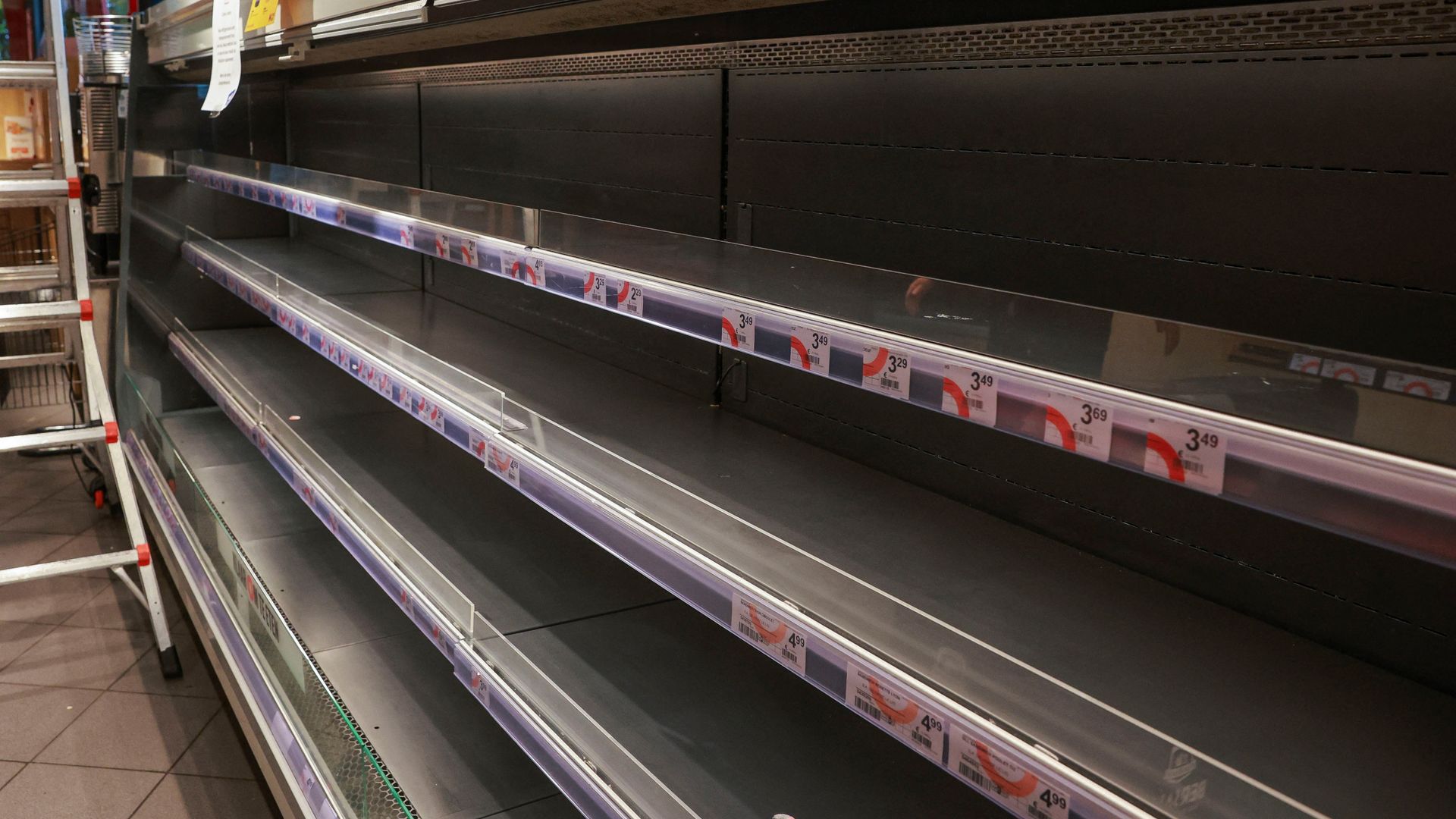
Recent cyber intrusions have swept through European retail giants, causing operational disruptions and supply shortages. The UK meat processing industry, a cornerstone of the country’s food infrastructure, has been caught in the crossfire. While supermarkets have been public about some of the breaches, the involvement of meat processors highlights a worrying expansion of targets within the food industry.
Meat processing facilities are complex operations involving multiple stages—from slaughterhouses to packaging and distribution—that rely heavily on digital systems for coordination and quality control. Cyber attacks on these systems can halt production lines, delay shipments, and ultimately reduce the availability of meat products in stores.
Experts suggest that these attacks may involve ransomware, phishing schemes, or other tactics aimed at exploiting vulnerabilities in industrial control systems and IT networks. The result is not only financial loss but also the potential for significant disruptions to everyday consumers who depend on steady food supplies.
Why Targeting Meat Processing Matters
The meat processing sector is a critical link in the UK’s food supply chain, responsible for transforming livestock into consumer-ready products. Any interruption in this sector can ripple through the entire food network, causing shortages, price hikes, and consumer uncertainty.
Additionally, the sector employs thousands of workers and supports rural economies, meaning cyber attacks can have socioeconomic impacts beyond immediate business losses. The disruption of processing plants threatens food security, especially as demand for meat products remains consistently high.
Cybersecurity experts emphasize that the food industry has traditionally been less prepared for cyber threats compared to sectors like finance or telecommunications. This relative vulnerability makes it an attractive target for cybercriminals seeking to maximize disruption.
What This Means for the UK and Future Preparedness
The revelation that cyber attacks have penetrated the UK meat processing industry serves as a wake-up call for the entire food sector. It underscores the urgent need for enhanced cybersecurity measures that protect not only retail outlets but also the upstream suppliers and processors.
Government agencies and industry stakeholders are likely to intensify efforts to bolster defenses, including investing in better threat detection, employee training, and robust contingency plans. Collaboration between public and private sectors will be crucial to fortify the food supply chain against increasingly sophisticated cyber threats.
For consumers, this situation highlights how interconnected and vulnerable essential services have become in the digital age. It also stresses the importance of resilience planning to ensure continuous food availability even amid cyber crises.
As cybercriminals evolve their tactics, the UK’s meat processing industry and broader food network must adapt quickly to safeguard national food security and economic stability.
In summary, the impact of cyber attacks on the UK meat processing industry illustrates a growing threat to critical infrastructure. Strengthening cybersecurity across all stages of the food supply chain is imperative to prevent future disruptions and protect consumers nationwide.