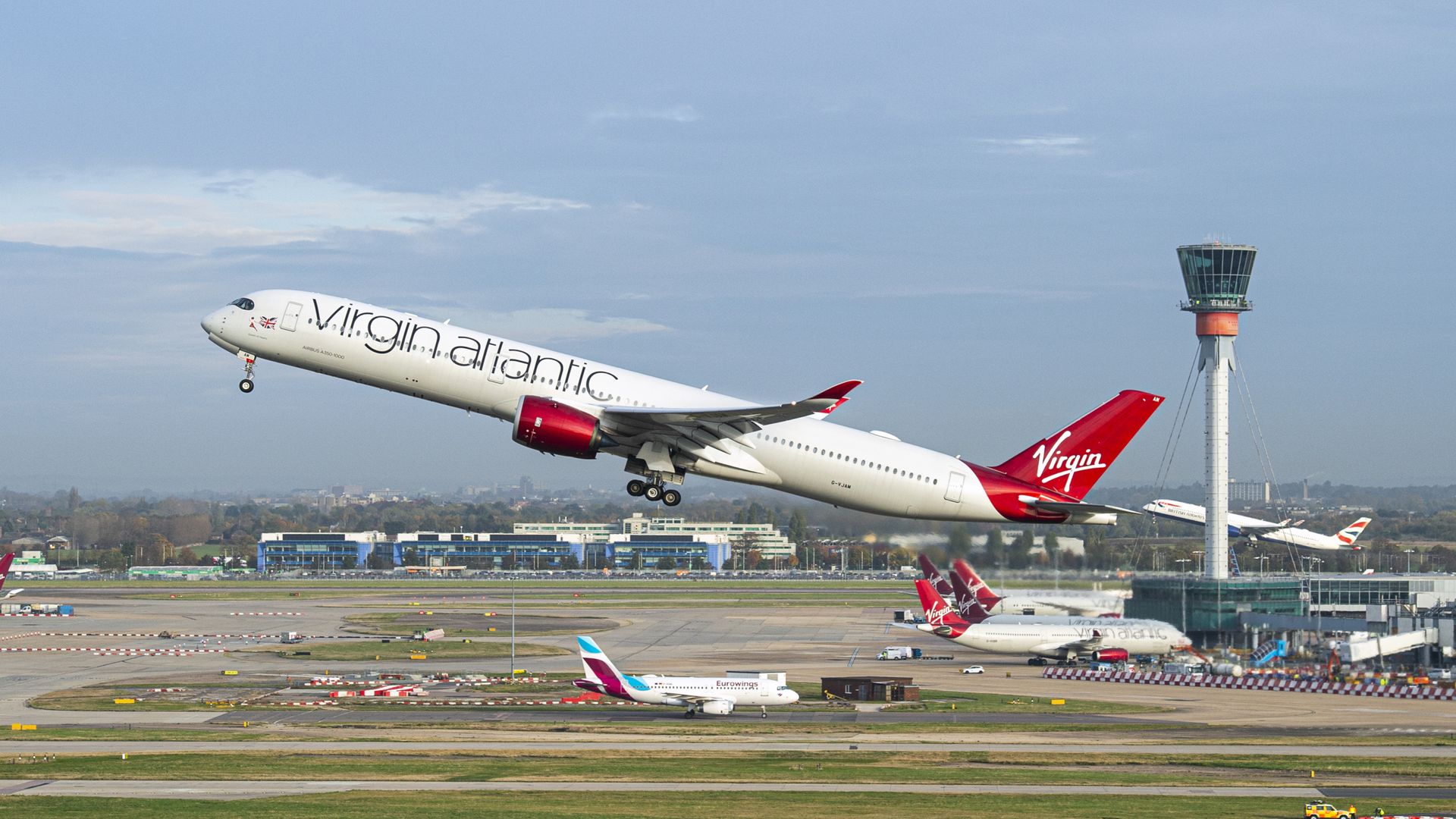
At least five commercial flights, including two originating from major airports in the United Kingdom, faced serious bomb threats that forced emergency landings and caused temporary shutdowns of airport operations. The alarming incidents have raised urgent concerns about aviation security and passenger safety amid increasing global travel demands.
Details of the Bomb Threats and Flight Disruptions
Multiple airlines reported receiving bomb threat warnings during their flights, prompting immediate action to ensure the safety of passengers and crew. Among the affected were two flights departing from UK airports, which were compelled to divert or return unexpectedly. These measures led to significant operational delays and temporary closures at the involved airports while security teams conducted thorough investigations.
The nature of the threats required swift coordination between airline staff, air traffic controllers, and airport security forces. Emergency protocols were activated, including precautionary landings at alternate airports equipped to handle such crises. Passengers were disembarked only after comprehensive security sweeps confirmed no explosives were present, but the disruptions caused considerable distress and travel inconvenience.
Impact on Airports, Airlines, and Passengers
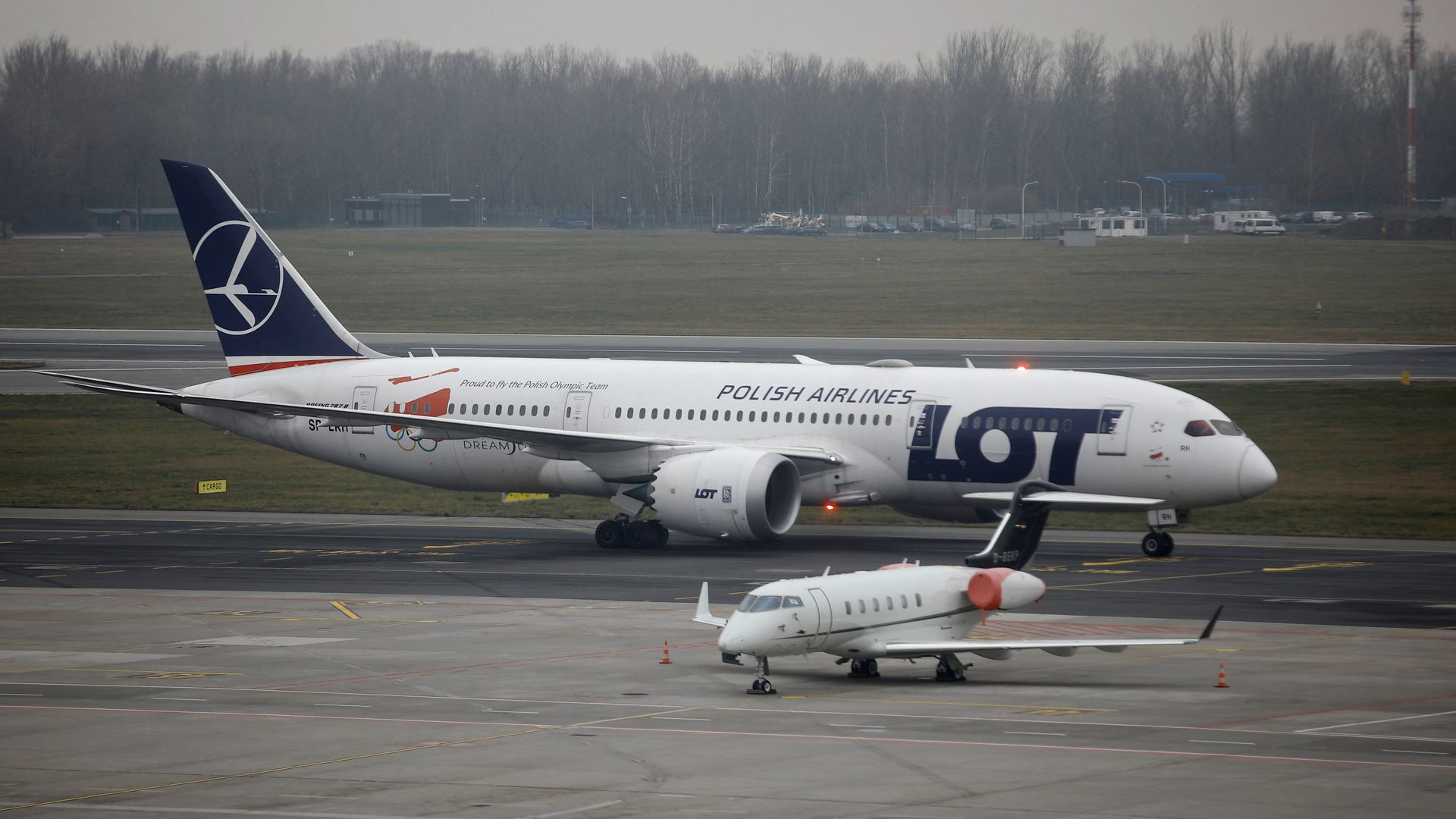
The bomb threats triggered immediate responses from airport authorities, resulting in temporary closures of runways and terminals to facilitate security checks. These shutdowns caused ripple effects, delaying other scheduled flights and increasing congestion in surrounding airspace. Airlines had to manage rebooking and accommodation for stranded passengers, many of whom faced uncertainty and anxiety due to the unfolding events.
Security personnel conducted intensive searches of aircraft cabins, luggage compartments, and cargo holds to rule out any real danger. The cooperation between different agencies—ranging from local police to counter-terrorism units—highlighted the complexity of responding to such threats in fast-paced airport environments.
Passengers caught in these incidents experienced heightened stress and disruption. Many reported confusion during evacuation and extended waiting times, underscoring the challenges airlines and airports face in maintaining order and communication during emergency situations.
Why These Threats Matter and What Comes Next
Bomb threats against commercial flights strike at the core of public confidence in air travel security. Even when ultimately determined to be hoaxes, they consume vital resources, cause costly delays, and heighten anxiety among travelers and staff. The incidents involving UK airports are a stark reminder of the ongoing risks in an era where aviation remains a critical global infrastructure vulnerable to threats.
Authorities will likely review and possibly tighten security protocols to prevent similar disruptions. This may include enhanced passenger screening, improved threat detection technologies, and closer collaboration between international aviation security agencies. Airlines may also increase crew training on emergency response to better manage passenger safety and communication during such scares.
For passengers, these events reinforce the importance of vigilance and adherence to security procedures. While bomb threats remain relatively rare, their potential consequences demand constant preparedness to protect lives and maintain the integrity of air travel.
As investigations continue into the sources and motivations behind these bomb threats, airports and airlines remain on high alert. Ensuring swift, coordinated responses in the face of such emergencies will be paramount to safeguarding the aviation sector and reassuring the traveling public.
In summary, the recent bomb threats on flights, including two from UK airports, underscore the critical need for robust security measures and effective crisis management in the aviation industry. While these threats caused significant disruption, they also highlight the readiness and resilience of the teams tasked with protecting passengers and maintaining safe skies worldwide.