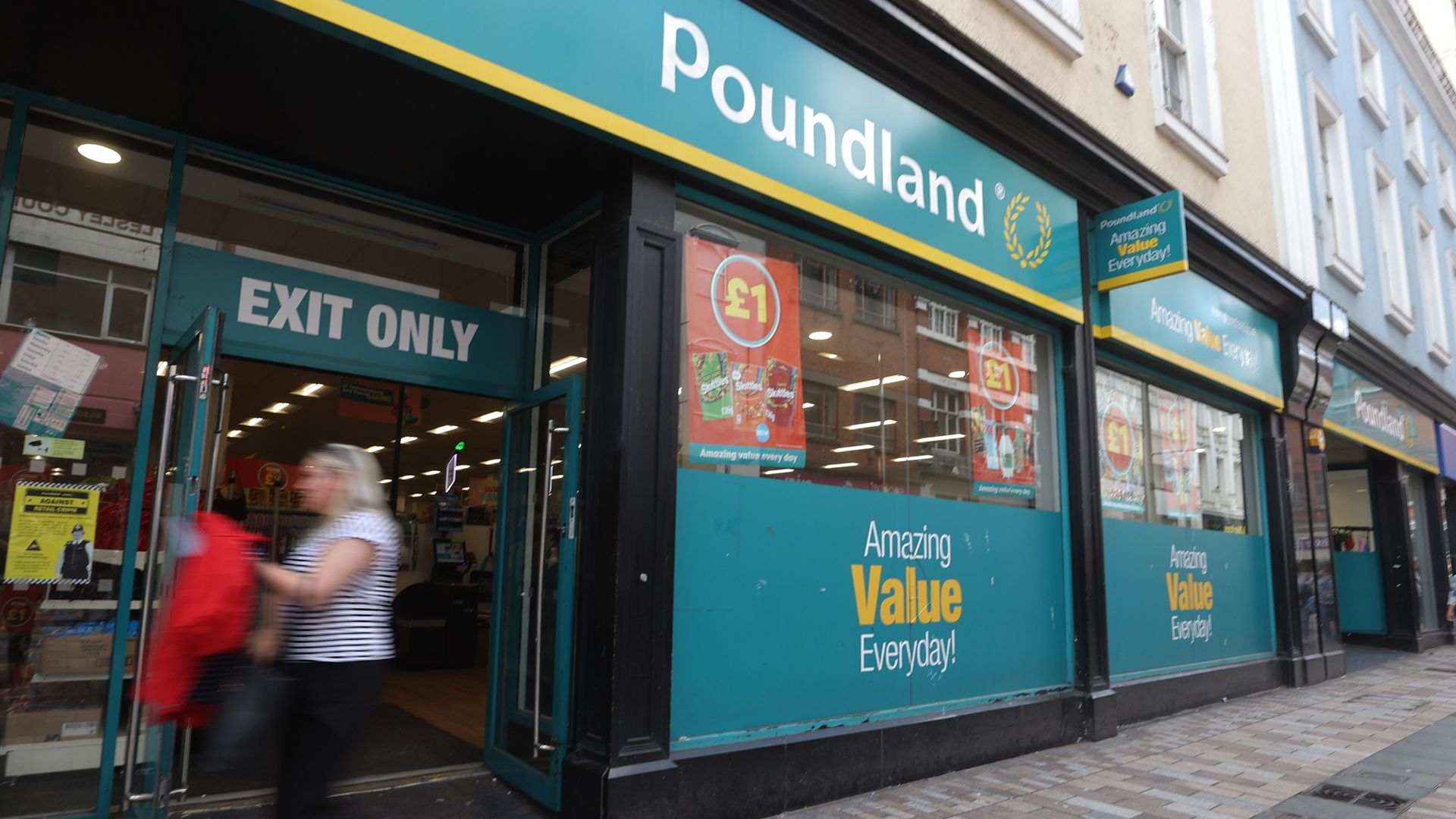
Poundland’s parent company has urgently recruited a high-profile London lobbying firm, signaling the escalating political scrutiny surrounding the discount retailer’s future. This strategic move highlights the increasing stakes for the company as it navigates mounting challenges from both creditors and political figures.
What’s Behind the Lobbying Push?
The owner of Poundland, a major player in the UK discount retail sector, is confronting mounting pressure from politicians and stakeholders concerned about the company’s stability and strategic direction. In response, the firm has appointed a lobbying team previously known for representing Thames Water creditors—a group experienced in managing complex negotiations and regulatory pressures.
This decision underscores the urgency of the situation. As the company faces growing scrutiny, the involvement of expert lobbyists aims to influence political and regulatory conversations that could impact Poundland’s operational and financial future. The lobbying firm’s expertise in dealing with creditor interests and government entities is expected to be a crucial asset.
Why Political Pressure Is Intensifying
Poundland’s challenges come amid a broader climate of political concern about retail sector stability and consumer prices. Discount retailers like Poundland play an essential role in providing affordable goods to millions of UK consumers, especially during periods of economic uncertainty. However, their financial health often attracts attention from policymakers wary of potential disruptions to the supply chain and employment.
Political figures are increasingly vocal about the retailer’s trajectory, with debates focusing on the implications for workers, suppliers, and competitive dynamics in the retail market. This heightened scrutiny reflects broader anxieties about inflation, cost of living pressures, and the sustainability of discount retail models.
The Role of Creditors and Financial Stakeholders
Behind the scenes, Poundland’s creditors have significant influence over the company’s decisions. The involvement of a lobbying firm with deep experience in creditor negotiations suggests that the company is preparing to navigate complex financial discussions. Ensuring favorable outcomes from these talks is critical to maintaining operational continuity and preserving jobs.
What This Means for Poundland and the Retail Sector
The appointment of such a specialized lobbying team signals that Poundland’s owner is bracing for a potentially turbulent period ahead. The intersection of political pressure and creditor negotiations creates a challenging environment, where every strategic move could shape the retailer’s destiny.
For consumers, this situation raises questions about the availability and pricing of essential goods. For employees and suppliers, it underscores the uncertainty about the company’s long-term viability. For policymakers, it presents a test of how government intervention and regulatory frameworks can support or challenge key players in the retail ecosystem.
Looking Ahead: Navigating Political and Financial Crosscurrents
As the lobbying firm ramps up its efforts, the coming months will be critical for Poundland’s owner. The company must balance the demands of creditors, the expectations of political stakeholders, and the needs of its customer base. Successful navigation of this complex landscape could stabilize the retailer and preserve its role in the UK market.
However, failure to manage these pressures effectively could accelerate uncertainty and disrupt the discount retail sector more broadly. Observers will closely watch how lobbying influences political decisions and whether it can secure a sustainable path forward for Poundland.
Ultimately, this situation highlights the intricate relationship between business strategy, political influence, and financial negotiation in today’s challenging economic environment. Poundland’s experience may well serve as a case study in the evolving dynamics of retail resilience and government engagement.