The rapid surge in electric bike (e-bike) usage has brought with it a host of challenges, prompting the government to take decisive action against unruly parking and antisocial riding habits. Authorities are determined to tame what they describe as the “wild west” nature of e-bike parking, while also cracking down on dangerous behaviour such as riding on pavements.
What’s Driving the Government’s Crackdown?
E-bikes have become an increasingly popular mode of transport across urban and suburban areas, prized for their convenience, eco-friendliness, and ability to navigate traffic congestion. However, this boom has also led to a chaotic parking landscape. Riders frequently leave e-bikes strewn across sidewalks, blocking pedestrian access and creating hazards for people with disabilities, parents with strollers, and the elderly.
The government recognizes these issues as more than mere inconveniences. Improperly parked e-bikes can obstruct emergency pathways, disrupt local businesses, and degrade the overall public realm. This disorderly situation has earned the label “wild west” from officials, highlighting the urgent need for regulation and order.
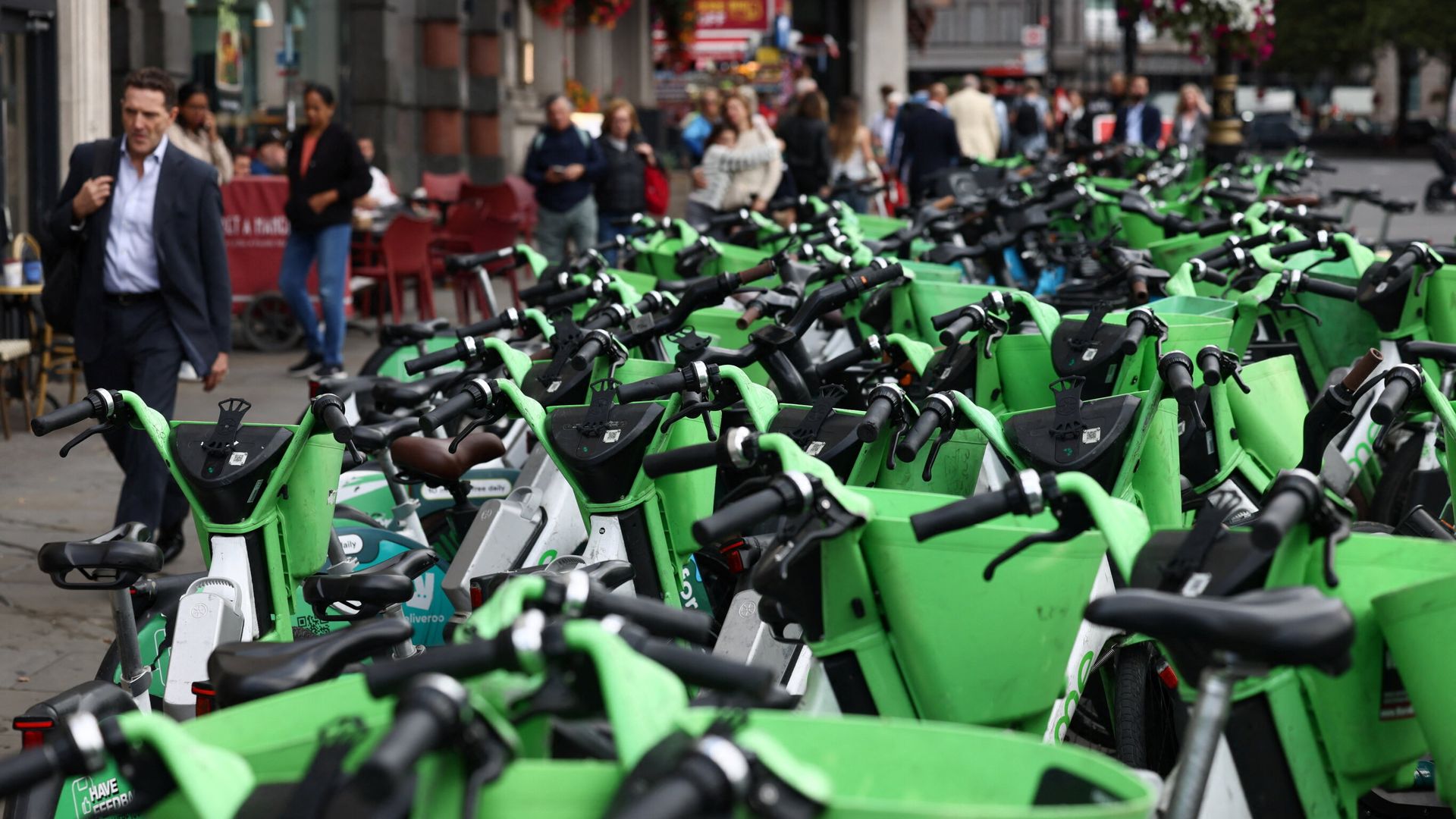
In addition to parking mismanagement, antisocial behaviours such as riding on pavements pose serious safety risks. Pedestrian zones are not designed for fast-moving electric vehicles, and collisions or near-misses are on the rise. The government’s intervention aims to protect vulnerable road users and ensure e-bike riders adhere to traffic laws.
Introducing Locally Set Fees and Stricter Controls
One of the key strategies under consideration involves empowering local authorities to impose fees for e-bike parking. These fees would provide a financial incentive for riders to use designated parking spots and discourage careless abandonment of bikes in inappropriate places.
Allowing councils to set their own fee structures acknowledges that urban environments vary significantly. What works in a dense city centre may not be appropriate for a suburban town or rural area. This localized approach aims to balance regulation with flexibility, enabling tailored solutions that reflect unique community needs and challenges.
Alongside fee implementation, the government plans to enforce stricter penalties for pavement riding and other dangerous conduct. Public awareness campaigns will complement these measures to educate riders about their responsibilities and the potential consequences of ignoring rules.
Why This Matters: Safety, Urban Order, and Sustainability
The government’s initiative addresses critical issues at the intersection of urban mobility, public safety, and environmental sustainability. E-bikes offer a greener alternative to cars, helping cities reduce emissions and congestion. However, their benefits can only be realized if integrated smoothly into existing transport and pedestrian infrastructures.
Unchecked, the current disarray threatens to undermine public support for e-bikes and stall progress towards cleaner transportation systems. Ensuring orderly parking and safe riding behaviours protects pedestrians and cyclists alike, fostering a more harmonious urban environment.
Moreover, localized fee systems could generate revenue streams that fund better cycling infrastructure, maintenance, and enforcement efforts. This creates a positive feedback loop where proper regulation enhances rider experiences and encourages wider adoption.
Looking Ahead: Balancing Innovation and Regulation
As e-bike popularity continues to rise, governments face the challenge of balancing innovation with public order. The move to regulate parking and curb antisocial riding marks a significant step toward sustainable urban transport management.
Local authorities will play a pivotal role in shaping these regulations, adapting them to community dynamics while upholding safety and accessibility standards. The success of this approach hinges on collaboration among policymakers, riders, and the public to create streets that are safe, efficient, and welcoming for all.
Ultimately, tackling the “wild west” of e-bike parking is not just about enforcement—it’s about fostering a culture of responsibility that supports the future of eco-friendly mobility.