In a significant counterterrorism development, US authorities have charged three men accused of orchestrating a series of violent attacks, including a terror plot targeting a military installation in the United Kingdom. The men are alleged to be operatives supported by Iran, aiming to strike a base where American aircraft are stationed, raising serious concerns about international security and intelligence cooperation.
Details of the Alleged Plot and Accusations
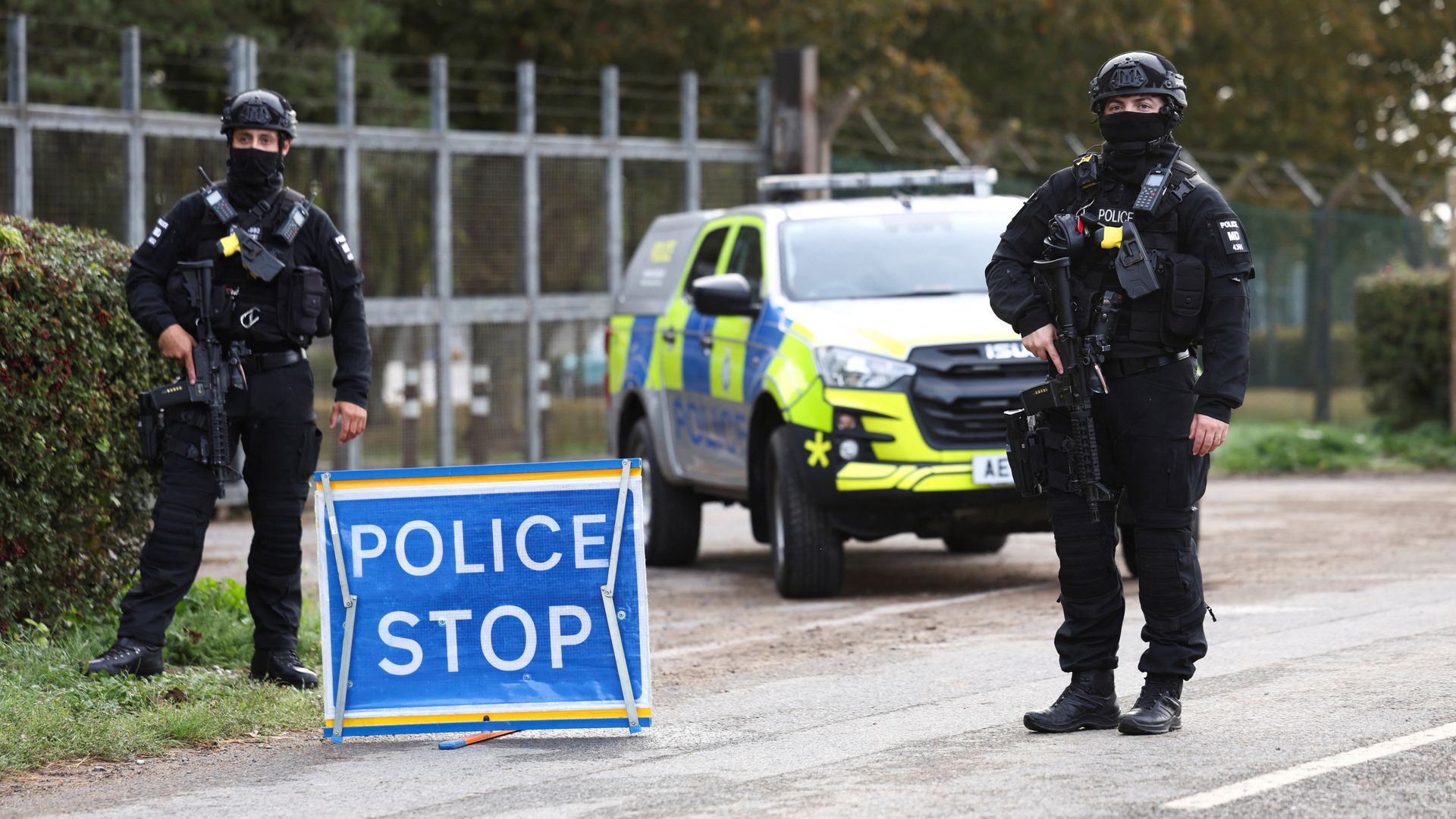
According to US officials, the three individuals stand accused of planning more than a dozen attacks, with one of the most alarming being an alleged terrorist operation near RAF Fairford, a prominent Royal Air Force base in Gloucestershire, England. This base is known for hosting American military aircraft, making it a strategic target.
Authorities describe the suspects as operatives backed by Iranian intelligence, implicating a broader geopolitical context where Iran’s influence extends into covert operations abroad. The charges highlight not only the severity of the threat but also the sophisticated nature of the alleged conspiracy, which involved detailed planning and coordination.
While specific details about the planned attacks remain classified, the indictment underscores the risks posed by state-sponsored terrorism against Western military assets. The US Department of Justice believes that the suspects intended to destabilize the security environment around the base, potentially causing significant casualties and disrupting military operations.
Why RAF Fairford and Its Strategic Importance
RAF Fairford is a key military installation hosting US Air Force bombers and serving as a strategic hub for transatlantic military operations. Its significance lies in its role within NATO and the broader Western defense framework, especially given ongoing tensions with Iran and other state actors.
The base’s proximity to European allies and its function as a forward operating location make it a high-value target for adversaries wishing to send a message or degrade military readiness. An attack here would not only have military repercussions but could also strain diplomatic relations between the US, UK, and Iran.
This potential targeting underscores the continuing threat posed by state-sponsored terrorism in Western countries and highlights the importance of intelligence-sharing and joint security measures between allied nations.
Implications for US-UK Security Cooperation and Counterterrorism Efforts
The unmasking of this alleged plot illustrates the critical nature of transatlantic cooperation in combating terrorism. US and UK intelligence agencies have long collaborated to identify and neutralize threats against their personnel and assets. The charges against these men reinforce the ongoing vigilance required to protect military installations abroad.
Moreover, the accusations against individuals reportedly supported by Iran signal the persistent challenges Western nations face in countering Tehran’s covert operations. These efforts often involve proxy agents executing complex schemes beyond the immediate borders of Iran, aiming to destabilize Western interests.
The case may also influence future policy decisions regarding military base security protocols, intelligence sharing, and diplomatic strategies aimed at curtailing Iran’s international reach.
What This Means Moving Forward
As the legal process unfolds, the charges serve as a stark reminder of the evolving nature of global terrorism and the intricate networks that back such plots. The incident near RAF Fairford not only exposes vulnerabilities in military security but also reflects broader geopolitical tensions involving Iran’s proxy activities.
For the US and its allies, this case highlights the urgent need to enhance cooperative frameworks for intelligence, law enforcement, and military defense. It also stresses the importance of maintaining robust security measures at strategic military sites worldwide.
While the full scope of the alleged conspiracy has yet to be publicly disclosed, the indictment marks a critical step toward dismantling networks that threaten international peace and stability. Continued vigilance and collaboration will be essential in preventing similar threats from materializing in the future.