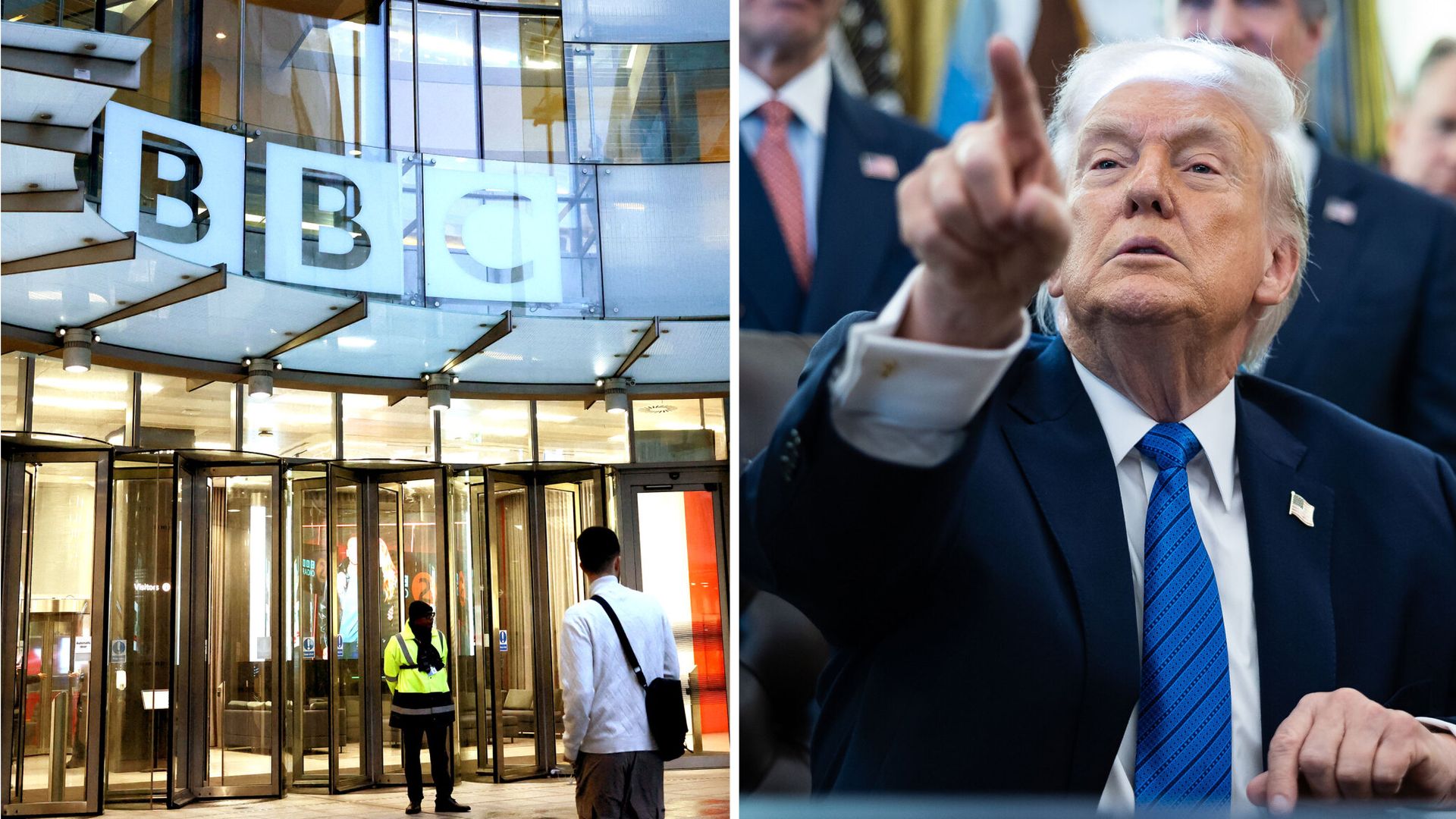
A Florida court has refused the BBC’s bid to dismiss former President Donald Trump’s massive $10 billion (£7.5 billion) defamation lawsuit, clearing the way for the high-profile legal battle to move forward. This ruling marks a significant development in one of the most sizable media-related defamation claims in recent history.
Background: The Defamation Lawsuit Against the BBC
Donald Trump filed the lawsuit against the British Broadcasting Corporation, alleging that the media giant defamed him in its reporting. The claim centers on statements and coverage Trump asserts were false and damaging to his reputation. By seeking $10 billion in damages, Trump underscores the magnitude of what he perceives as reputational harm.
The BBC, in response, sought to have the case dismissed before it could proceed to trial, arguing that the claims lacked legal merit. However, the Florida court rejected this attempt, finding that Trump’s defamation claim contained sufficient grounds to warrant further judicial examination.
Why This Ruling Matters
This judicial decision is pivotal for several reasons. Firstly, it signals the court’s willingness to entertain a defamation case of this scale against a major international broadcaster. Defamation suits involving public figures and large media organizations often face high legal thresholds, making dismissals common in early stages.
Secondly, the ruling invites a deeper examination of the complex balance between free press protections and individual reputational rights. The BBC, as a public service broadcaster, enjoys certain editorial freedoms, but this lawsuit challenges the limits of those protections when allegations of false reporting arise.
Finally, the case’s progression could set important legal precedents regarding jurisdiction and defamation law, especially as the BBC operates primarily from the UK, while the lawsuit unfolds in a U.S. court. The Florida venue’s acceptance of jurisdiction reinforces the global reach and implications of media litigation in the digital age.
What Comes Next for the Lawsuit
With the dismissal motion denied, the case will now move into the discovery phase, where both parties exchange evidence and build their arguments. This phase can be lengthy, involving depositions, document reviews, and expert testimonies.
Should the case proceed to trial, it will likely attract extensive media attention given Trump’s high-profile status and the unprecedented size of the damages sought. Both legal teams will need to navigate complex issues around defamation standards, truthfulness, and the impact of media coverage on public figures.
The BBC may still pursue other legal avenues, including appeals or summary judgment motions, but this initial hurdle clears the path for substantive litigation. For Trump, this victory represents a crucial step toward holding a major broadcaster accountable in his view.
Why This Lawsuit Captivates Public Interest
Defamation cases involving public figures like Donald Trump often ignite debates on freedom of speech and the responsibilities of the press. This lawsuit spotlights ongoing tensions between media organizations reporting on influential individuals and those individuals’ rights to protect their reputations.
Moreover, the sheer scale of the lawsuit—$10 billion—raises questions about the motivations behind such large claims and their potential impact on journalistic practices. Will this lead to increased caution among media outlets, or will it be seen as an attempt to intimidate the press?
As this case unfolds, it will provide insight into how courts balance these competing interests and may influence future media coverage of controversial public figures.
Looking Ahead
The Florida court’s decision to allow Donald Trump’s defamation lawsuit against the BBC to proceed sets the stage for a landmark legal confrontation. Both parties face a challenging road ahead as the case moves through discovery and potentially toward trial.
For observers, this lawsuit offers a critical lens on the evolving dynamics between media power and individual rights in a world where information travels instantaneously across borders. Its outcome could reshape expectations for media accountability and the legal protections afforded to public figures.
Full details of the case proceedings and evidence have yet to be disclosed, but the implications of this ruling will resonate far beyond the courtroom.