As autumn deepens, the United Kingdom confronted its chilliest night of the season on Thursday, signaling a sharp drop in temperatures that has prompted health authorities to issue cold weather alerts across several regions. This sudden temperature plunge underscores the increasingly unpredictable nature of seasonal transitions and raises concerns about public health and safety during colder spells.
Record Low Temperatures Mark Autumn’s Arrival
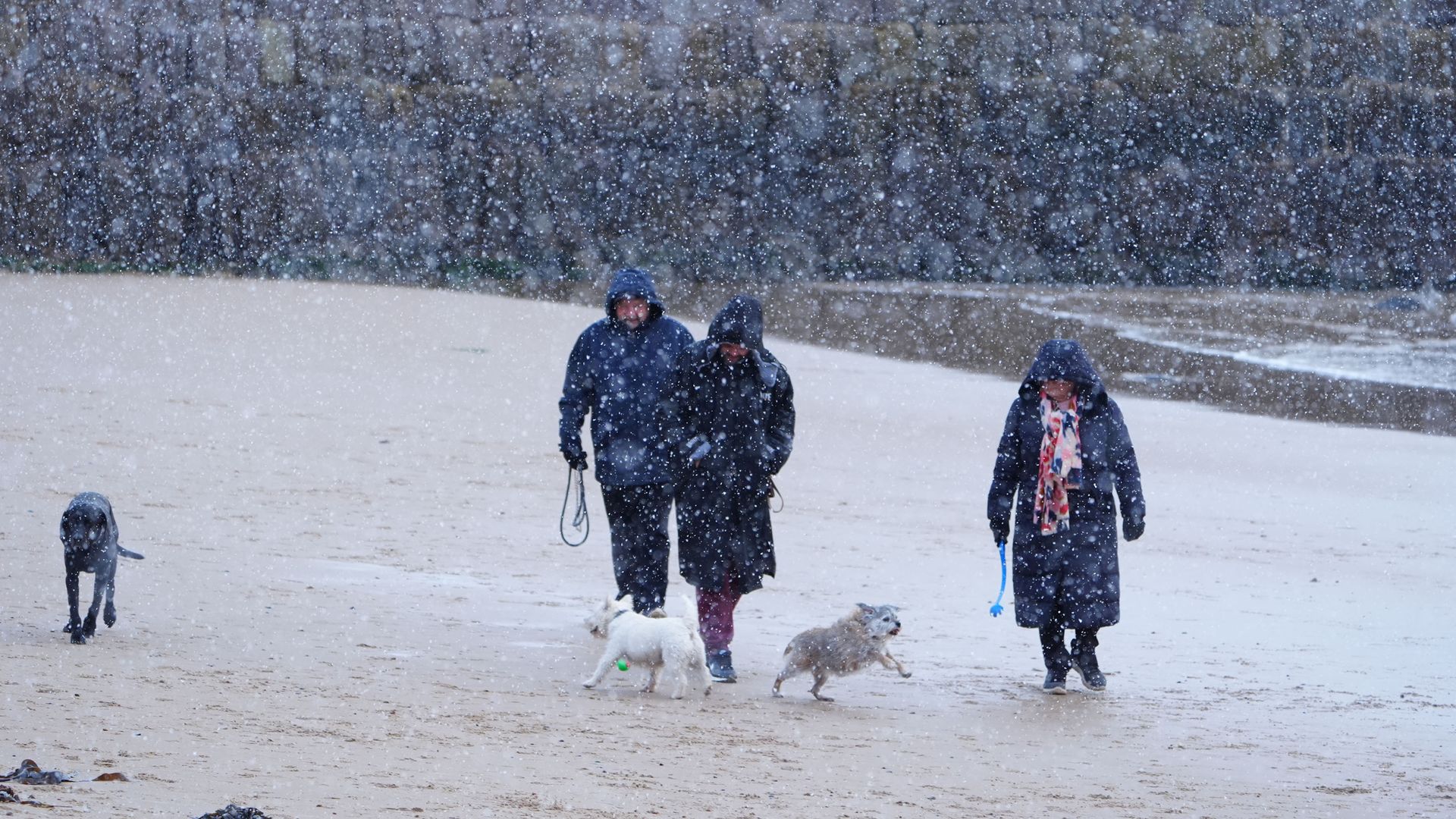
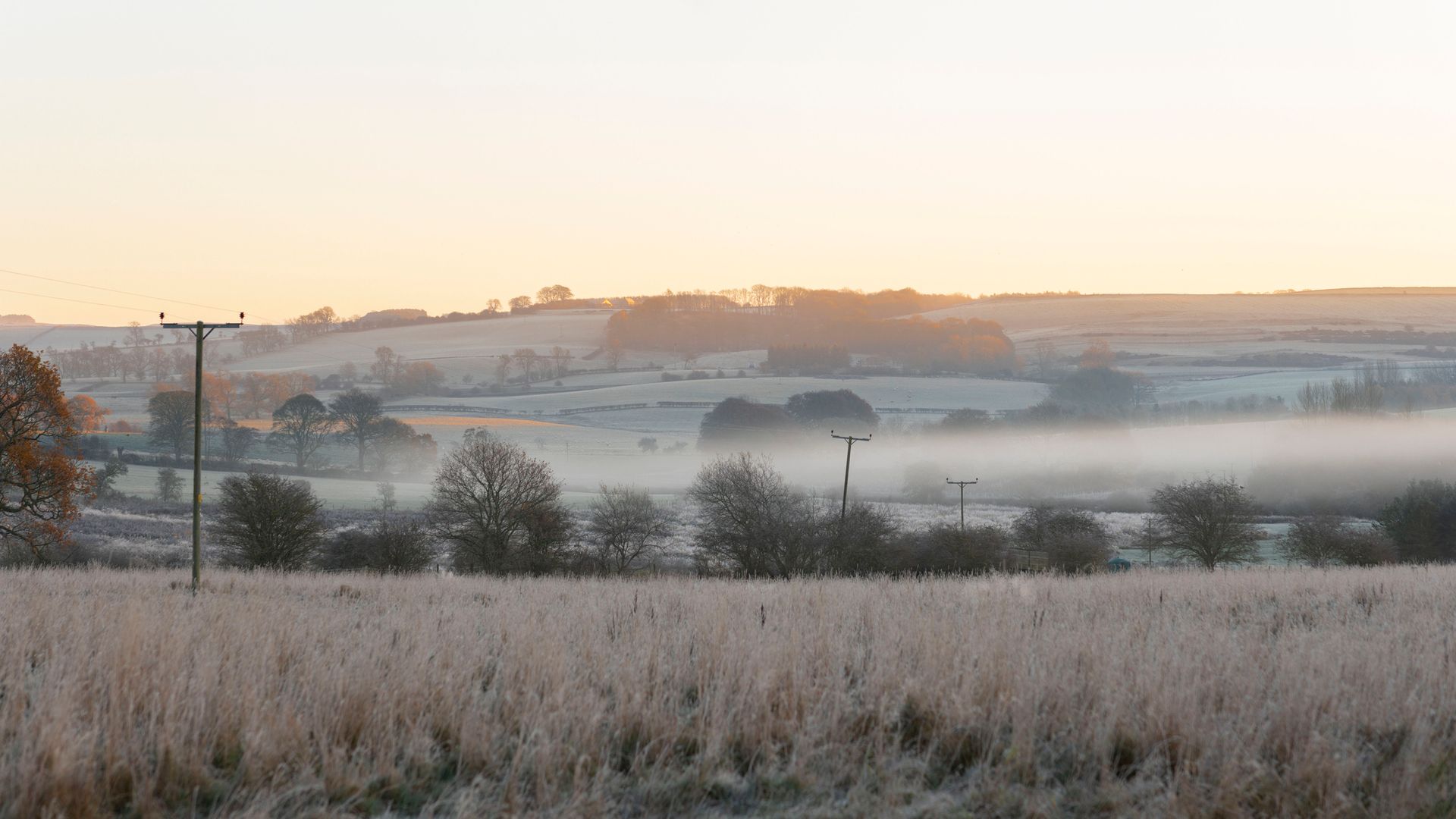
Thursday night registered the lowest temperatures recorded in the UK since the start of autumn, with thermometers dipping to levels that startled many residents. The cold snap affected a broad swathe of the country, from rural areas to urban centers, compelling local councils and health services to activate precautionary measures designed to mitigate the risks associated with cold weather.
The drop in temperature is not merely a seasonal inconvenience; it has tangible implications for vulnerable populations, including the elderly, young children, and those with pre-existing health conditions. The cold weather can exacerbate respiratory and cardiovascular issues, making the environment potentially hazardous without proper preparedness.
Cold Weather Health Alerts: What They Mean and Who Is Affected
The UK’s cold weather health alert system is designed to warn communities and health providers about expected cold spells that could lead to increased health risks. Currently, several areas remain under these alerts, which serve as a call to action for both individuals and institutions.
These alerts inform the public to take necessary precautions such as ensuring adequate heating, wearing warm clothing, and checking on vulnerable neighbors or family members. Health services also ramp up their readiness, anticipating a possible rise in cold-related illnesses.
The National Health Service (NHS) and other agencies emphasize the importance of preparedness during these periods. Cold weather can lead to an increase in hospital admissions due to hypothermia, flu complications, and other cold-related conditions. Public communication campaigns often accompany these alerts to educate on prevention strategies.
Why This Matters: The Broader Impact of Early Cold Snaps
The emergence of such cold nights early in autumn carries broader implications beyond immediate discomfort. It highlights the necessity for enhanced community resilience and adaptive strategies in the face of fluctuating weather patterns.
Furthermore, the cold weather alert system plays a critical role in safeguarding public health by mobilizing resources and raising awareness before conditions worsen. It also offers an opportunity to assess the adequacy of housing insulation, heating infrastructure, and social support networks, which are vital for mitigating cold-related harm.
For policymakers, these events reinforce the need to integrate climate variability considerations into public health planning. As autumn progresses, monitoring temperature trends and responding proactively to cold snaps can significantly reduce health risks and improve community well-being.
Looking Ahead: Preparing for the Cold Months
With the chilliest night of autumn now behind us, the UK faces the prospect of further cold spells as winter approaches. Residents are encouraged to stay informed about weather forecasts and heed cold weather health alerts issued by authorities.
Ensuring homes are well-insulated, maintaining adequate heating, and supporting vulnerable people remain top priorities. Health services continue to prepare for potential increases in cold-related health issues, emphasizing early intervention and community care.
Ultimately, this early taste of cold weather serves as a reminder of the season’s demands and the collective responsibility to protect health and safety. By staying vigilant and proactive, the UK can better navigate the challenges posed by autumn and winter chills.