Staff working in probation services and family courts across the UK have overwhelmingly voted to take strike action, driven by deep frustration over stagnant pay and unmanageable workloads. This decisive move underscores mounting tensions within critical public sectors responsible for justice and rehabilitation.
What Sparked the Strike Vote?
The vote for industrial action comes after prolonged dissatisfaction with pay freezes and escalating caseloads in probation and family court services. Workers report that their salaries have failed to keep pace with inflation and rising living costs, effectively eroding their purchasing power over recent years. Meanwhile, increasing demands on their time and resources have intensified stress and burnout.
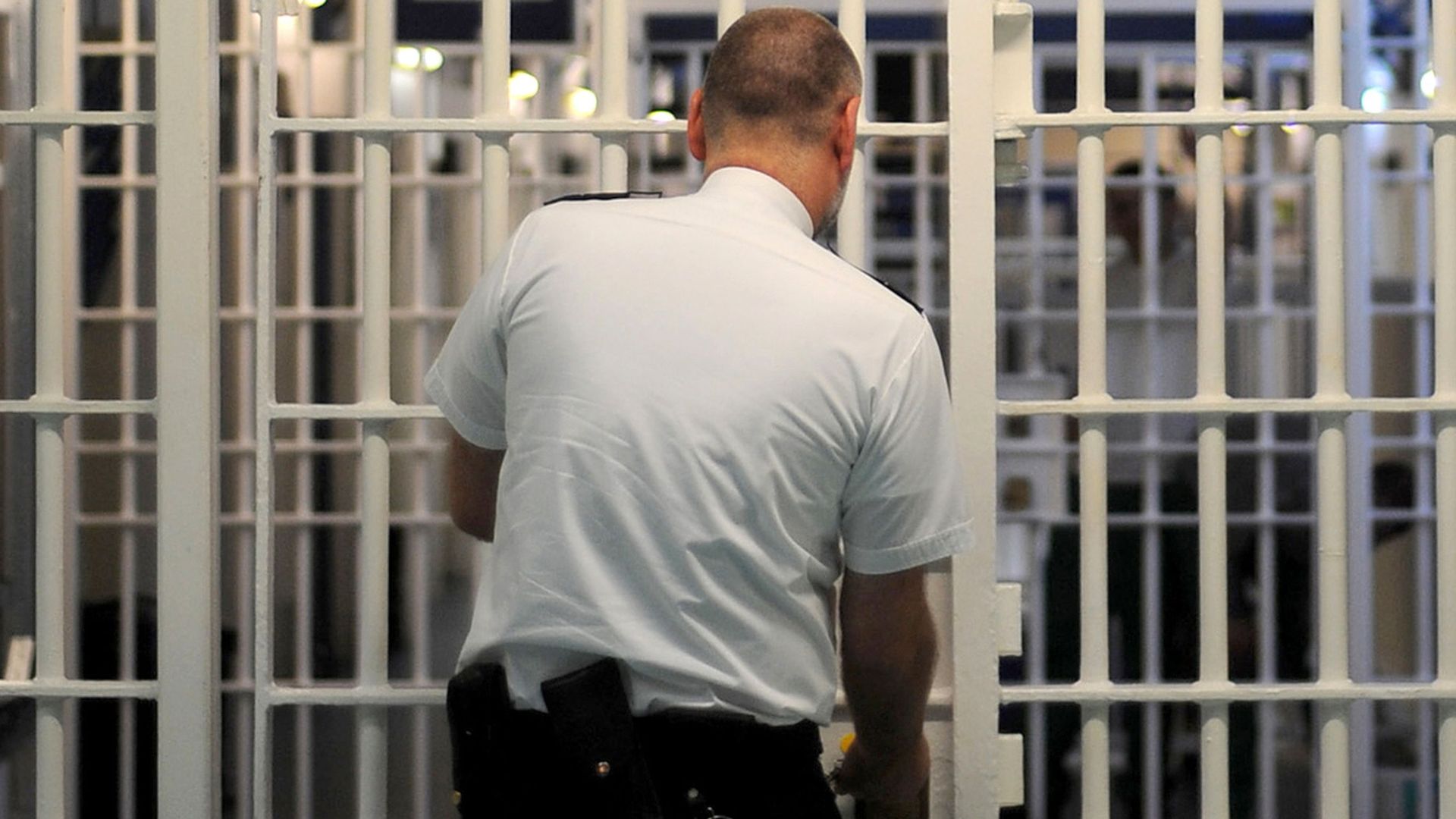
Probation staff play a vital role in supervising offenders released into the community, helping to reduce reoffending and support rehabilitation. Family courts staff manage sensitive cases involving child welfare and family disputes, often under emotionally taxing conditions. Both groups argue that current funding and staffing levels are insufficient to meet these responsibilities effectively.
This vote signals “serious anger” among employees who feel undervalued and overstretched. It reflects a broader crisis in public services struggling with underinvestment, recruitment difficulties, and retention challenges.
Implications for Justice and Public Safety
Strike action by probation and family courts staff could have far-reaching consequences. Probation services are essential for monitoring offenders and facilitating their reintegration into society, playing a key role in preventing crime. Disruptions could delay supervision and interventions, potentially increasing risks to public safety.
Similarly, family courts handle urgent and sensitive cases affecting vulnerable children and families. Staff shortages or walkouts may lead to case backlogs, prolonging distress for those involved and delaying critical decisions about child protection and custody arrangements.
The government and relevant authorities face mounting pressure to address these concerns promptly. Failure to resolve the pay and workload disputes risks exacerbating staff shortages, reducing service quality, and undermining public confidence in the justice system.
What Comes Next?
Following the strike vote, union leaders and employers will enter negotiations to seek a resolution. The staff’s willingness to take industrial action highlights the urgency of addressing compensation and working conditions.
Stakeholders, including policymakers and the public, must recognize the essential role played by probation and family courts staff. Investing in fair pay, manageable caseloads, and adequate resources is crucial to maintaining an effective justice system that protects communities and supports vulnerable individuals.
As discussions unfold, the prospect of strikes looms, signaling a critical juncture for these vital public services.
Why This Matters
The decision by probation and family courts staff to vote for strike action shines a spotlight on systemic issues affecting frontline justice workers. Their grievances over pay and workload are not isolated complaints but symptoms of broader underfunding and resource constraints within the public sector.
Ensuring these services function effectively is fundamental to safeguarding public safety, supporting rehabilitation, and protecting family welfare. The strike vote serves as a wake-up call to government and society to prioritize these sectors before the challenges deepen further.
Ultimately, the outcome will impact not only the workers but also the individuals and communities relying on probation and family court services every day.
Full details on strike dates and negotiations have yet to be announced.