Thousands of women in the United Kingdom who were previously convicted or cautioned for illegal abortion offenses under outdated Victorian-era laws will now receive automatic pardons. This significant legal reform aims to rectify historical injustices and acknowledge the evolving landscape of reproductive rights in the UK.
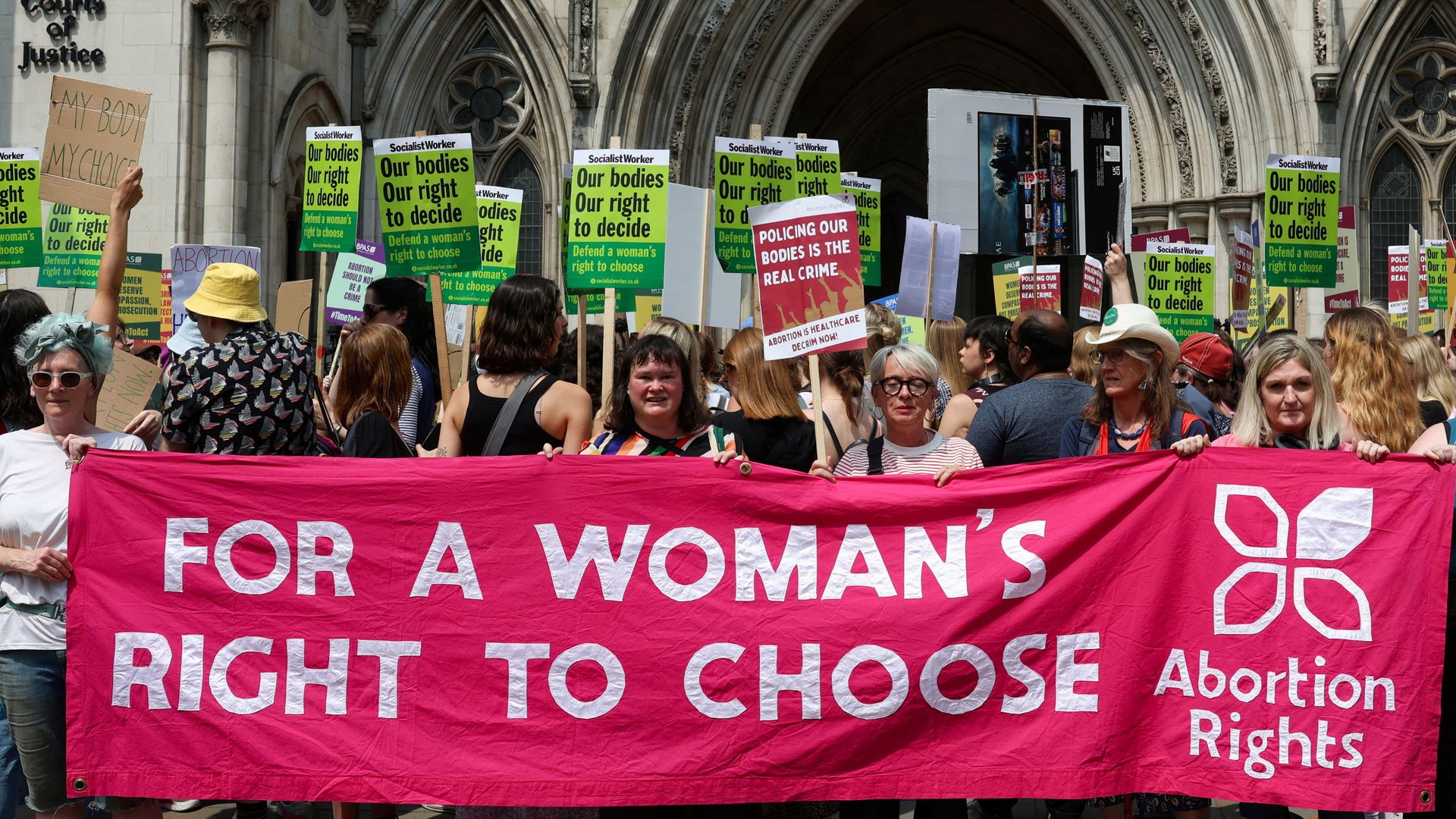
Background: The Legacy of Victorian Abortion Laws
For over a century, abortion in Britain was governed by the Offences Against the Person Act 1861, a Victorian statute that criminalized abortion in almost all circumstances. Women who underwent or sought illegal abortions faced prosecution, often resulting in convictions or cautions that have remained on their records for decades. This law failed to reflect modern societal attitudes or medical advancements in reproductive healthcare.
While the Abortion Act 1967 legalized abortion under specific conditions in England, Scotland, and Wales, the older legislation technically remained in force. Consequently, many women who had abortions before the 1967 Act—or who fell outside its provisions—were subject to criminal penalties. These historic convictions have contributed to a legacy of stigma and legal hardship for affected individuals.
The New Automatic Pardons: What They Entail
The recent legislative change introduces a system of automatic pardons for women convicted or cautioned for abortion-related offenses under the Victorian laws. This move eliminates the need for affected women to apply for pardons individually, simplifying and expediting the process of clearing their criminal records.
The pardons cover all women who faced legal penalties for abortion under these outdated statutes, regardless of when the conviction or caution occurred. This blanket approach demonstrates a commitment by UK lawmakers to address past injustices comprehensively rather than piecemeal.
Importantly, the reform also symbolizes a shift in how the legal system recognizes reproductive rights. By pardoning these women, the government acknowledges that criminalizing abortion under such circumstances was unjust and incompatible with contemporary values of bodily autonomy and healthcare access.
Why This Matters: Impacts and Broader Significance
This legal development carries profound implications both for individuals directly affected and for the broader societal understanding of reproductive justice. For the women receiving pardons, it offers a form of official vindication, removing the burden of historical convictions that may have impacted employment, travel, and personal dignity.
More broadly, the pardons serve as a public acknowledgment of the harm caused by criminalizing abortion and represent progress toward dismantling the stigma surrounding reproductive healthcare. They signal a willingness to confront and correct past legal wrongs, aligning the justice system with modern principles of human rights.
Additionally, this reform may inspire similar actions in other jurisdictions where outdated laws continue to penalize women for seeking abortions. It highlights the importance of revisiting and reforming historical legislation that no longer reflects current ethical standards or medical realities.
Looking Ahead: The Path Forward for Reproductive Rights in the UK
While the automatic pardons mark a pivotal step, reproductive rights advocates emphasize the need for continued vigilance to protect and expand access to abortion services across the UK. Challenges remain, including disparities in service availability and ongoing political debates surrounding reproductive health policies.
By addressing the injustices of the past, the UK sets a precedent for compassionate legal reform. The pardons underscore the importance of aligning laws with contemporary understandings of healthcare, autonomy, and justice, paving the way for a more equitable future.
In sum, the automatic pardons for women convicted under Victorian abortion laws represent a landmark moment in British legal history—one that acknowledges past wrongs and affirms the fundamental right to reproductive autonomy.