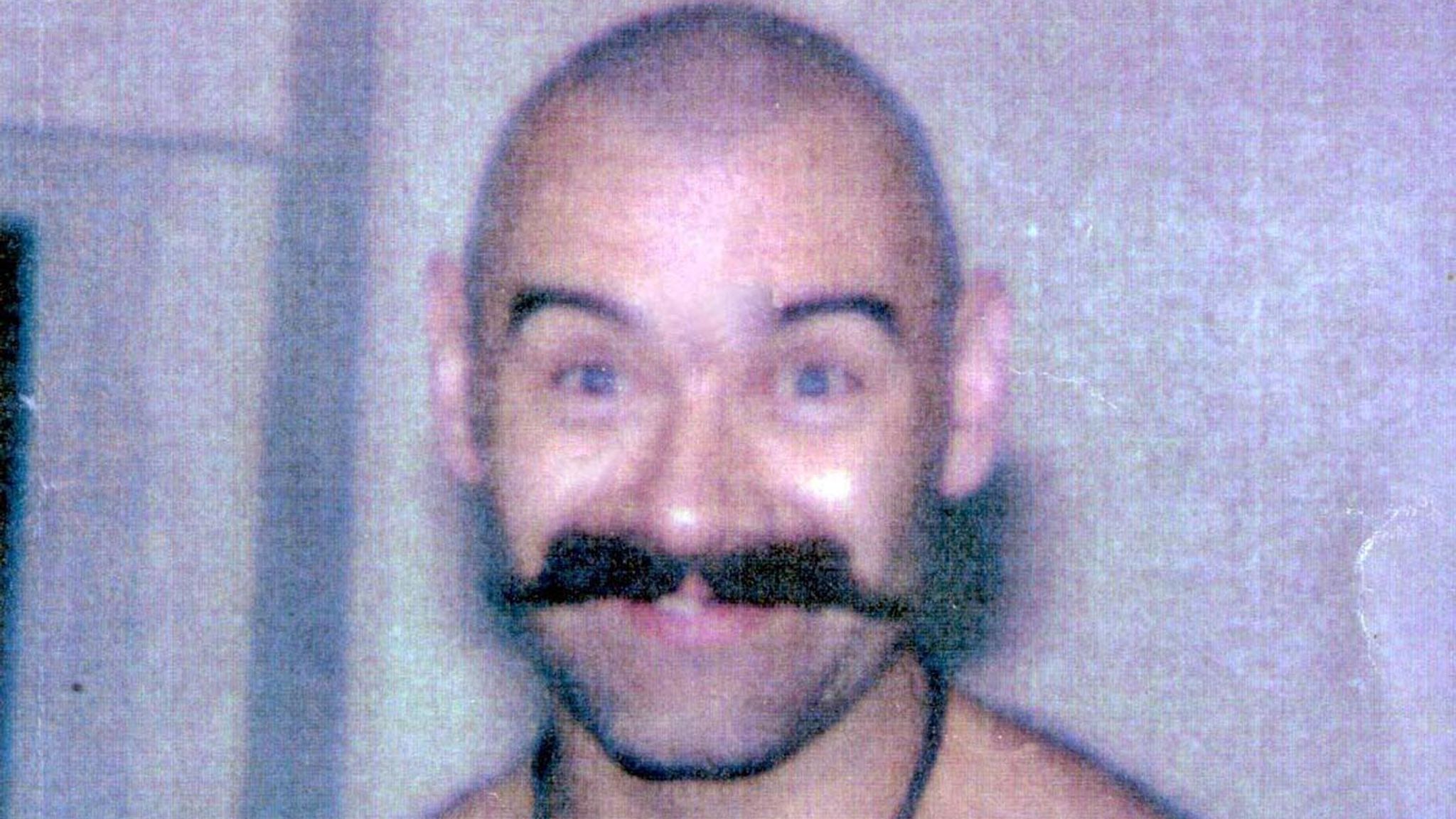
Charles Bronson, often dubbed Britain’s most notorious prisoner, has faced yet another setback as his parole application was rejected for the ninth time. This decision prolongs the incarceration of a man whose name has become synonymous with violence and controversy within the UK prison system.
Who Is Charles Bronson and Why Is His Case Notorious?
Born Michael Peterson, Charles Bronson adopted his famous moniker inspired by the Hollywood actor known for tough-guy roles. Bronson’s criminal history stretches back decades, marked by violent offenses and behavioral issues that have made him a frequent headline figure. Over the years, he has been involved in numerous prison incidents, including assaults on staff and fellow inmates, and has undergone multiple transfers to high-security facilities designed to contain the most dangerous offenders.
His notoriety is not only due to his violent behavior but also his complex personality. Bronson has taken up art and writing while incarcerated, gaining public attention beyond the criminal world. Despite these efforts, his reputation remains tied to a string of violent episodes and disruptions that have made parole boards wary of releasing him.
Details of the Latest Parole Denial
The recent parole refusal marks the ninth official rejection Bronson has faced. Parole boards assess inmates based on risk to public safety, rehabilitation progress, and potential for reintegration. In Bronson’s case, despite years behind bars, the authorities remain unconvinced that he no longer poses a threat.
While specific reasons for this latest denial have not been publicly detailed, it reflects a consistent pattern in how the parole system views Bronson’s risk profile. His continued incarcerations underscore the challenges the system faces when dealing with prisoners who exhibit persistent violent tendencies and unpredictable behavior.
Bronson’s case also raises questions about the effectiveness of rehabilitation programs for high-risk offenders and the balance between public safety and prisoner rights. The repeated denials demonstrate the parole board’s cautious approach, prioritizing the safety of the community above all else.
Why This Matters: Impact on the Justice System and Public Perception
The ongoing saga of Charles Bronson’s imprisonment highlights broader issues within the UK’s penal system. It brings to light the difficulties in managing inmates who refuse to conform to prison rules and the limits of rehabilitation efforts. Bronson’s notoriety has made him a symbol of the challenges faced by correctional authorities when dealing with extreme cases.
For the public, Bronson’s story fuels debates about crime, punishment, and the potential for redemption. Is a lifetime behind bars the only solution for dangerous offenders, or can there be a path toward eventual release? This question remains contentious, especially as Bronson continues to attract media attention and public fascination.
Moreover, Bronson’s repeated parole denials emphasize the cautious nature of the parole system when handling prisoners with a history of violence. His case may influence future policies regarding parole eligibility and the criteria used to evaluate the readiness of high-profile inmates for release.
Looking Ahead: What Comes Next for Charles Bronson?
With the ninth parole rejection, Bronson’s future remains uncertain. He will likely continue to serve his sentence under strict conditions, with any future applications carefully scrutinized. The system’s stance suggests that only significant changes in his behavior or risk assessment will alter the current trajectory.
Bronson’s case serves as a critical example of the ongoing challenges in balancing justice, rehabilitation, and public safety. Authorities and policymakers must continue to evaluate how to manage inmates like Bronson effectively, ensuring that the prison system protects society while offering opportunities for reform where possible.
In summary, Charles Bronson’s ninth parole denial underscores the complexities of handling high-risk offenders within the British justice system. His continued incarceration raises important questions about rehabilitation, risk management, and the future of parole policies for notorious inmates. As Bronson remains behind bars, the debate over his ultimate fate and the broader implications for criminal justice will undoubtedly persist.