Olive oil has firmly established itself as a kitchen essential across UK households, praised for its health benefits and rich flavor. Yet, despite its widespread use, many shoppers remain unsure about what to look for when selecting olive oil on the supermarket shelf. Selecting the wrong type can affect both taste and nutritional value, making it crucial to understand the nuances behind different varieties and packaging.
The Rise of Olive Oil in British Kitchens
Over recent years, olive oil has surged in popularity throughout the UK, replacing traditional cooking fats like butter and vegetable oil in many recipes. Its association with Mediterranean diets, known for promoting heart health and longevity, has driven consumer interest.
However, the market is flooded with numerous olive oil types—extra virgin, virgin, pure, and light—each with distinct qualities. Adding to the confusion, packaging varies widely, ranging from dark glass bottles to clear plastic containers. Navigating these options requires more than just recognizing a familiar label.
Understanding Olive Oil Quality and the ‘Crayon Test’
One simple, yet surprisingly effective, way to assess olive oil quality is through what some experts call the ‘crayon test’. This informal test involves observing how olive oil behaves when cooled or refrigerated. High-quality extra virgin olive oil often thickens or becomes cloudy in cold temperatures, indicating the presence of healthy natural fats and antioxidants.
In contrast, lower-grade or heavily processed oils tend to remain clear and thin due to filtration or blending with other vegetable oils. While this test isn’t a foolproof method, it can serve as a quick guide for consumers seeking authentic olive oil without relying solely on packaging claims.
Additionally, olive oil’s color can sometimes mislead buyers. Contrary to popular belief, color alone does not guarantee quality; greenish hues might reflect the olive variety or harvest time but do not necessarily signal superior oil.
The Problem with Plastic Bottles and Why Packaging Matters
Many olive oils are sold in plastic bottles, which may seem convenient but can compromise the oil’s taste and shelf life. Plastic containers often allow light and oxygen to penetrate, accelerating oxidation and leading to rancidity. This degradation diminishes both the nutritional benefits and flavor profile of the oil.
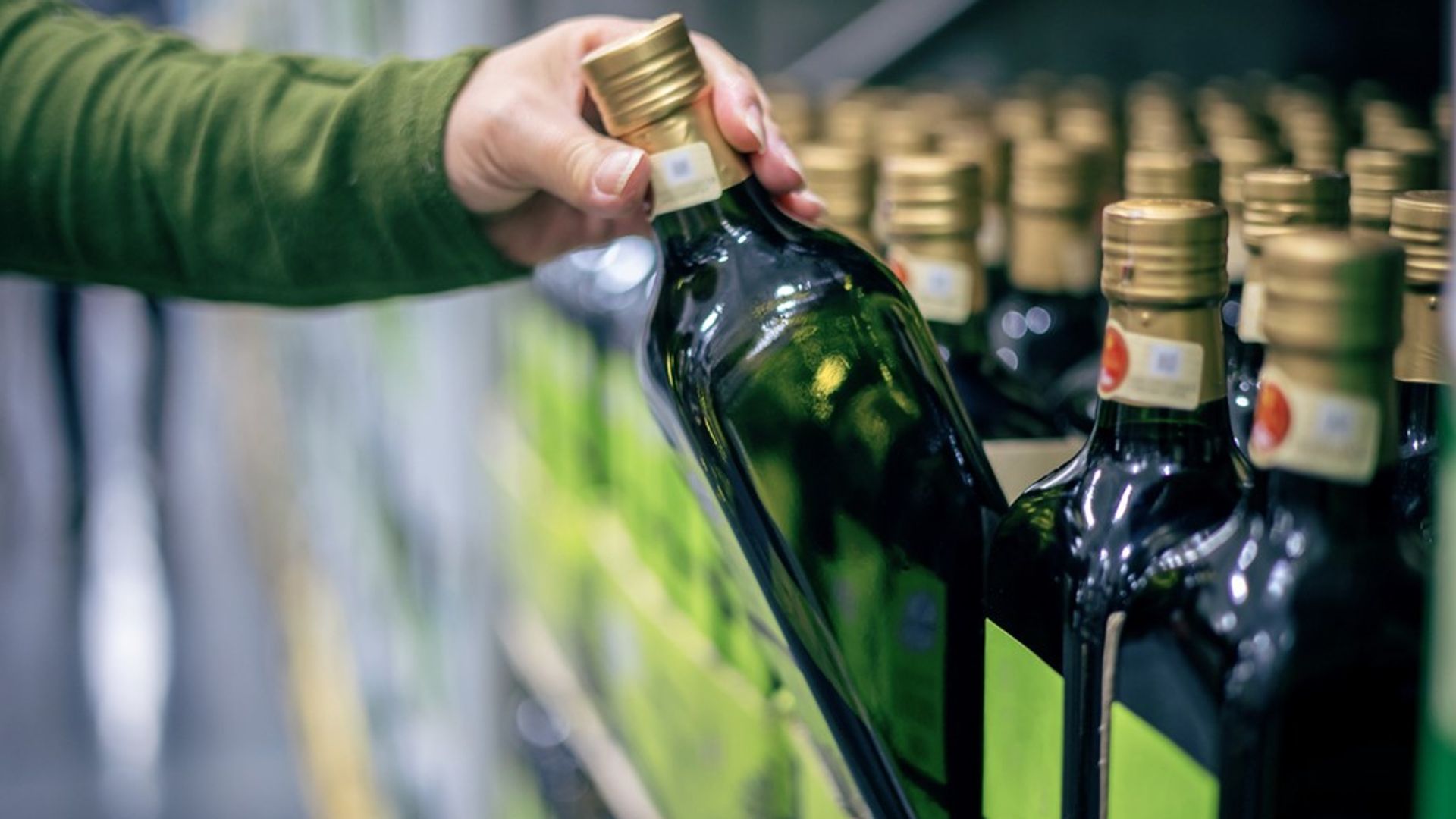
Experts recommend choosing olive oil packaged in dark glass bottles or tins. These materials protect the oil from light exposure and help maintain freshness. If purchasing plastic-bottled olive oil, it’s wise to check the expiry date carefully and store it in a cool, dark place.
Furthermore, beware of misleading labels and branding. Terms like “pure” or “light” olive oil do not imply better quality; in fact, these versions usually undergo extensive refining, stripping away beneficial compounds. For health and culinary value, extra virgin olive oil remains the gold standard.
Why This Matters for Your Health and Cooking
Choosing the right olive oil affects more than just taste—it impacts your overall health. Extra virgin olive oil contains polyphenols and antioxidants linked to reduced inflammation and cardiovascular protection. Using inferior oils or those degraded by poor packaging may negate these benefits.
From a culinary perspective, higher-quality olive oil delivers richer, more complex flavors, enhancing salads, dressings, and cooking alike. Understanding how to identify and store olive oil ensures you get the best experience and value.
Making Smarter Olive Oil Choices
Before buying your next bottle of olive oil, remember these key points:
- Opt for extra virgin olive oil over refined or blended types to maximize flavor and health benefits.
- Look for packaging in dark glass bottles or tins rather than plastic to preserve quality.
- Consider the ‘crayon test’ by chilling your oil to check for natural cloudiness—an indicator of authenticity.
- Ignore misleading terms like “light” or “pure,” which can signal lower-grade oils.
- Store your olive oil in a cool, dark place to maintain freshness and prevent rancidity.
By educating yourself on these factors, you can confidently select olive oil that elevates your cooking and supports your well-being.
In summary, olive oil is more than a simple cooking ingredient. Its quality hinges on factors like type, packaging, and storage. Understanding these elements empowers you to avoid common pitfalls—like the wrong plastic bottle—and savor authentic, healthful olive oil every time.