Rockstar Games, the renowned developer behind the blockbuster Grand Theft Auto series, has come under scrutiny for allegedly dismissing employees to stifle unionization efforts. An employment tribunal has disclosed that the company terminated a group of workers to prevent a trade union from gaining leverage or power within the organization.
What Happened at Rockstar Games?
The developer, celebrated for its massive open-world games and cultural impact, faced an internal push as employees sought to unionize—a move aimed at securing better working conditions and fair treatment. However, during the tribunal proceedings, it was revealed that Rockstar Games allegedly responded by firing some of these union-supporting employees.
These layoffs were not random or performance-based, according to testimony. Instead, the dismissals appeared strategically targeted to undermine the union’s momentum. The tribunal heard that the company’s management was intent on preventing the union from gaining any significant influence or bargaining power.
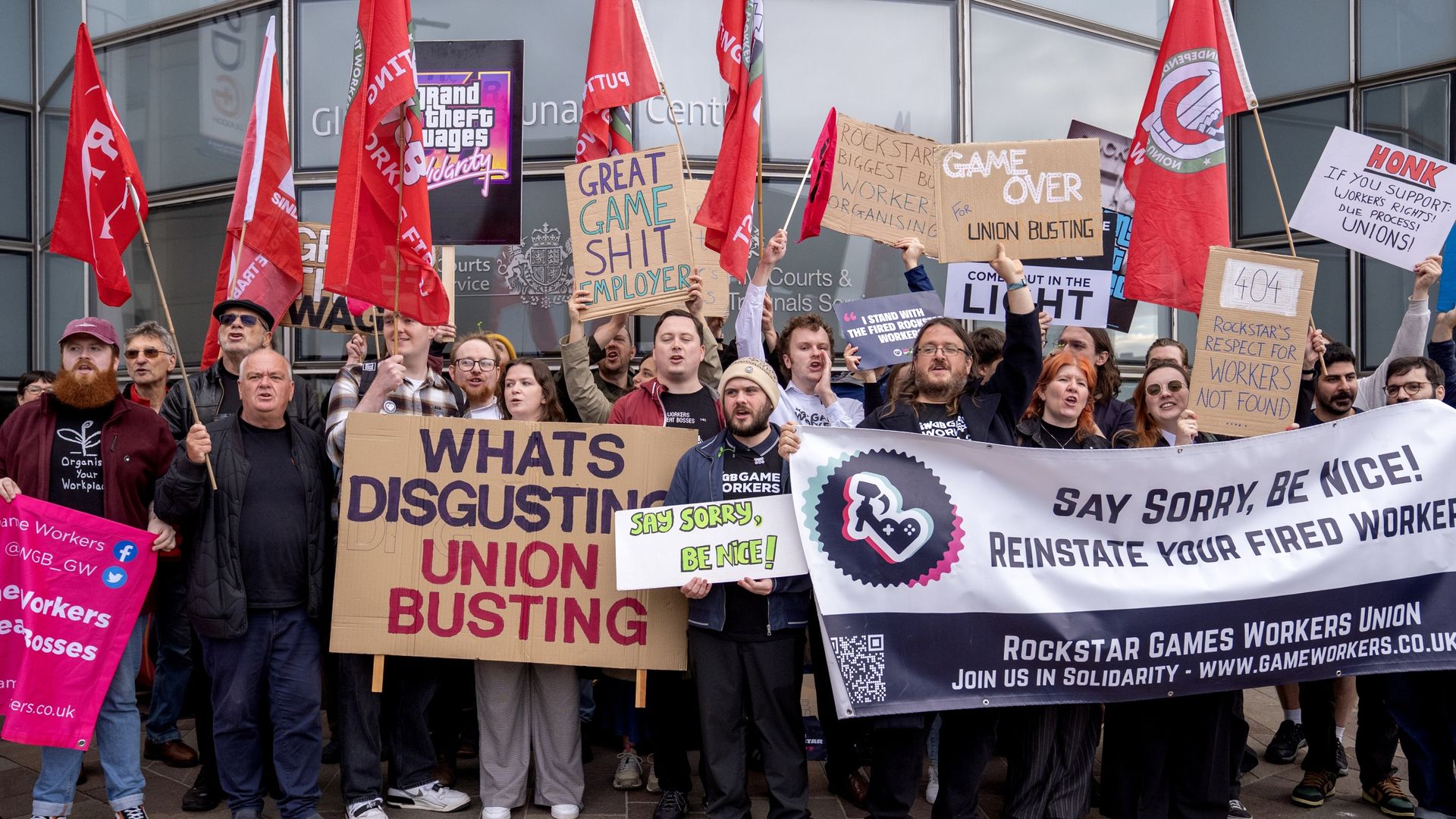
Unionization in the gaming industry has gained traction in recent years, driven by workers demanding transparency, fair pay, and healthier work environments amid notorious reports of crunch culture. Rockstar Games, with its high-profile status and large global workforce, represents a critical battleground in this broader labor movement.
Why This Case Matters: Industry-Wide Implications
The allegations against Rockstar Games highlight a significant conflict between gaming industry employees and their employers. The gaming sector has long faced criticism for intense workloads, job insecurity, and limited employee rights. Union drives like the one at Rockstar reflect growing discontent and the desire for collective bargaining to address these systemic issues.
By allegedly dismissing workers to block union progress, Rockstar Games sends a chilling message to its employees and the industry at large. The tribunal’s findings could influence how other game studios handle union efforts, potentially shaping labor relations across the entire gaming landscape.
Moreover, the case raises important questions about corporate ethics and workers’ rights in creative industries. It underscores the ongoing tension between profit-driven companies and employees striving for fair treatment and a voice in their workplace conditions.
What Comes Next for Rockstar and Its Workforce?
The tribunal’s investigation continues, with the potential to lead to significant legal repercussions for Rockstar Games if the allegations prove true. A ruling against the company could mandate reinstatements, compensation, or policy reforms aimed at protecting union activities.
For Rockstar employees, the outcome represents more than just a legal battle—it is a critical moment in their fight for recognition and respect within a notoriously demanding industry. The broader gaming community watches closely, as the verdict may set a precedent for how labor disputes and unionization efforts are handled going forward.
As unionization efforts grow across the tech and creative sectors, the Rockstar case exemplifies the challenges workers face when attempting to organize. It also spotlights the importance of safeguarding workers’ rights to unionize without fear of retaliation.
Looking Ahead: The Future of Unionization in Gaming
The Rockstar Games tribunal signals a potentially transformative period for the video game industry. As employees push for collective bargaining rights and companies grapple with evolving labor dynamics, this case could become a landmark in defining employer-employee relations.
For consumers and industry observers alike, this situation highlights the behind-the-scenes struggles at major game developers. Beyond the blockbuster releases and critical acclaim lies a workforce fighting for fair treatment and the power to influence their working conditions.
Ultimately, this tribunal serves as a powerful reminder that labor rights remain a contentious and vital issue in modern industries. The resolution of this dispute will not only affect Rockstar Games but could reverberate throughout the global gaming community, shaping the future of employment practices in one of the world’s most influential entertainment sectors.