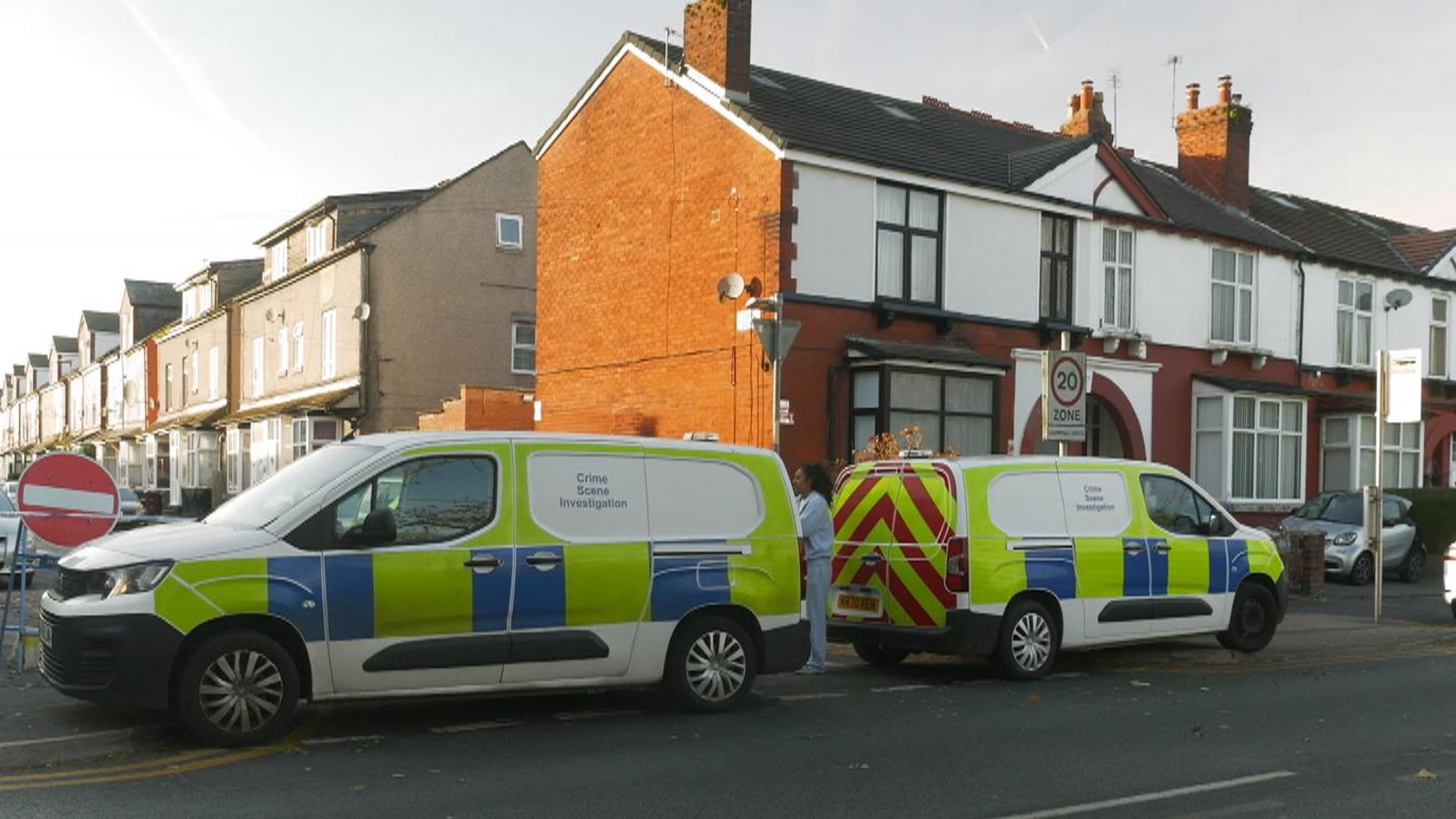
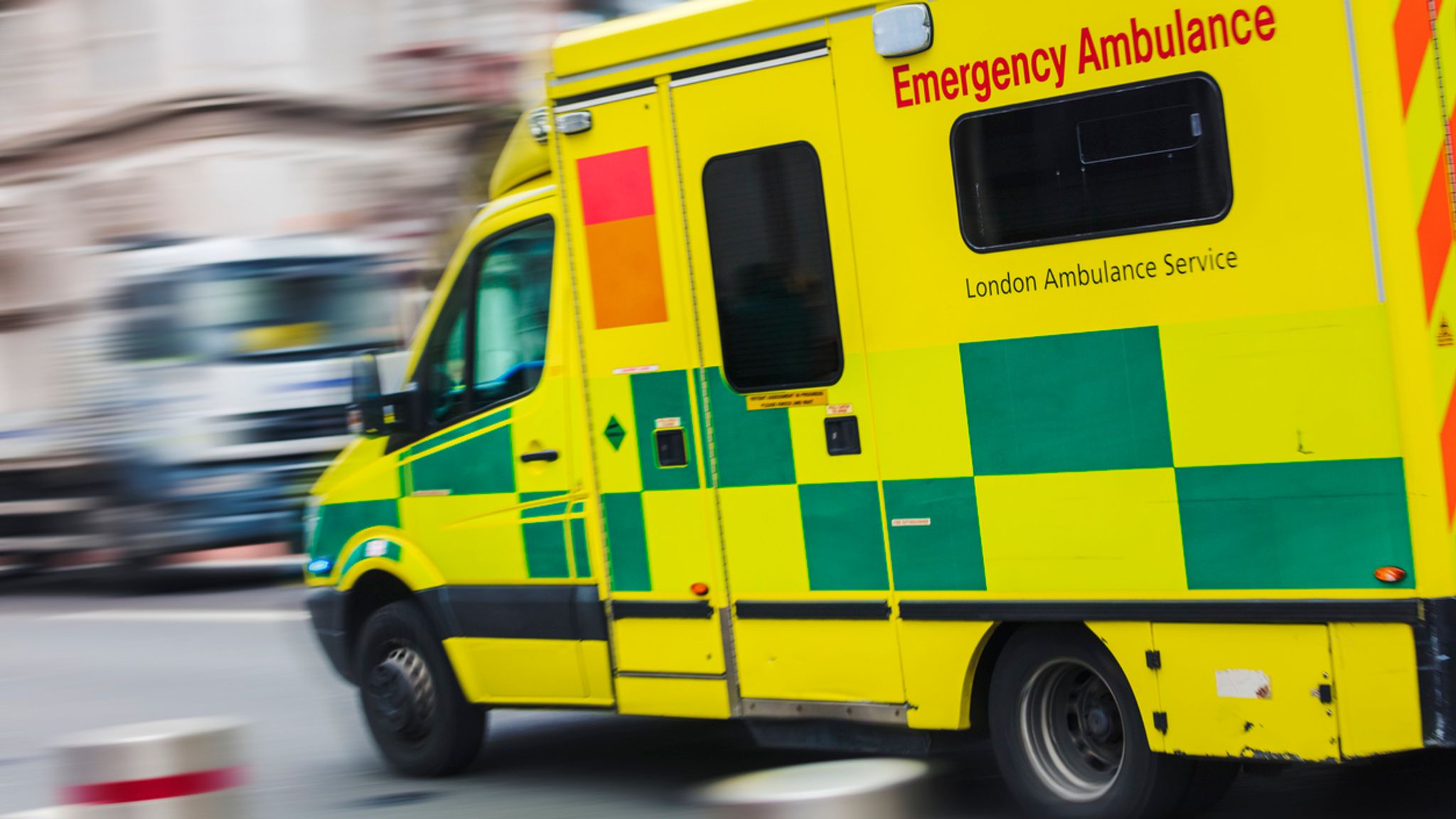
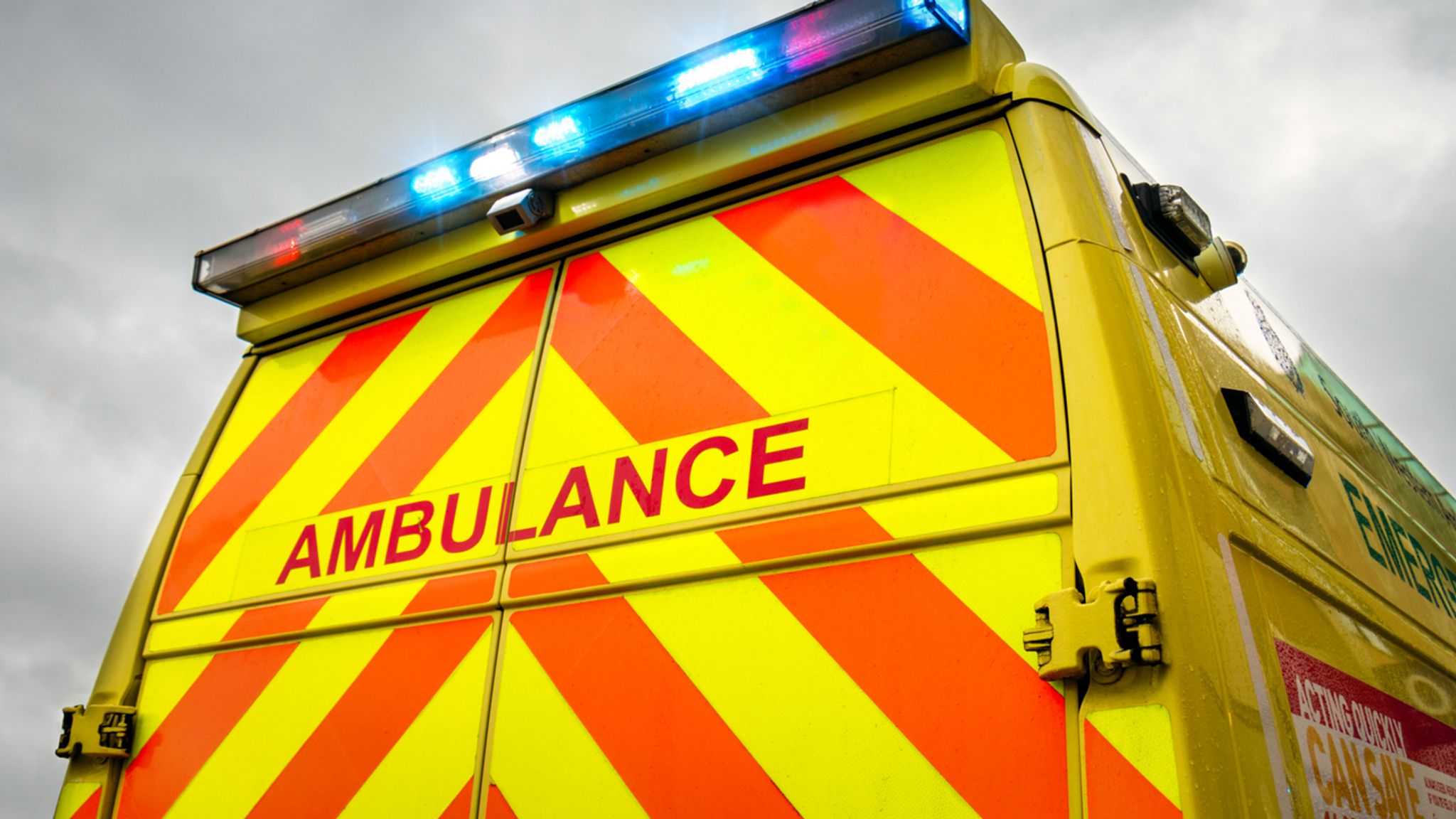
The London Ambulance Service (LAS) has officially declared a critical incident after experiencing an unprecedented surge in emergency calls, with over 7,000 calls each day for three consecutive days. This declaration signals severe pressure on vital emergency services, posing risks to both patients and staff.
What Happened: Record-High Emergency Calls Over Several Days
Between Monday and Wednesday this week, LAS received 7,326, 7,366, and 7,369 emergency calls respectively—figures that far exceed typical daily volumes. On an average busy day, call handlers manage around 5,500 calls, making the recent spike an increase of roughly 500 calls per day compared to the previous week.
To put this into perspective, the volume of calls has surpassed those usually seen on New Year’s Eve, a time historically known for very high demand. The ambulance service last declared a critical incident during the summer heatwave, but that was a short-lived event lasting only a few hours. This current crisis has persisted for several days, prompting LAS to take additional measures to manage the strain.
Chief Operating Officer Craig Harman explained, “The number of calls has remained very high for several days, so we have declared a critical incident to take extra steps to reach patients who need us most urgently.”
Why Demand Is Soaring: Health Challenges and Seasonal Pressures
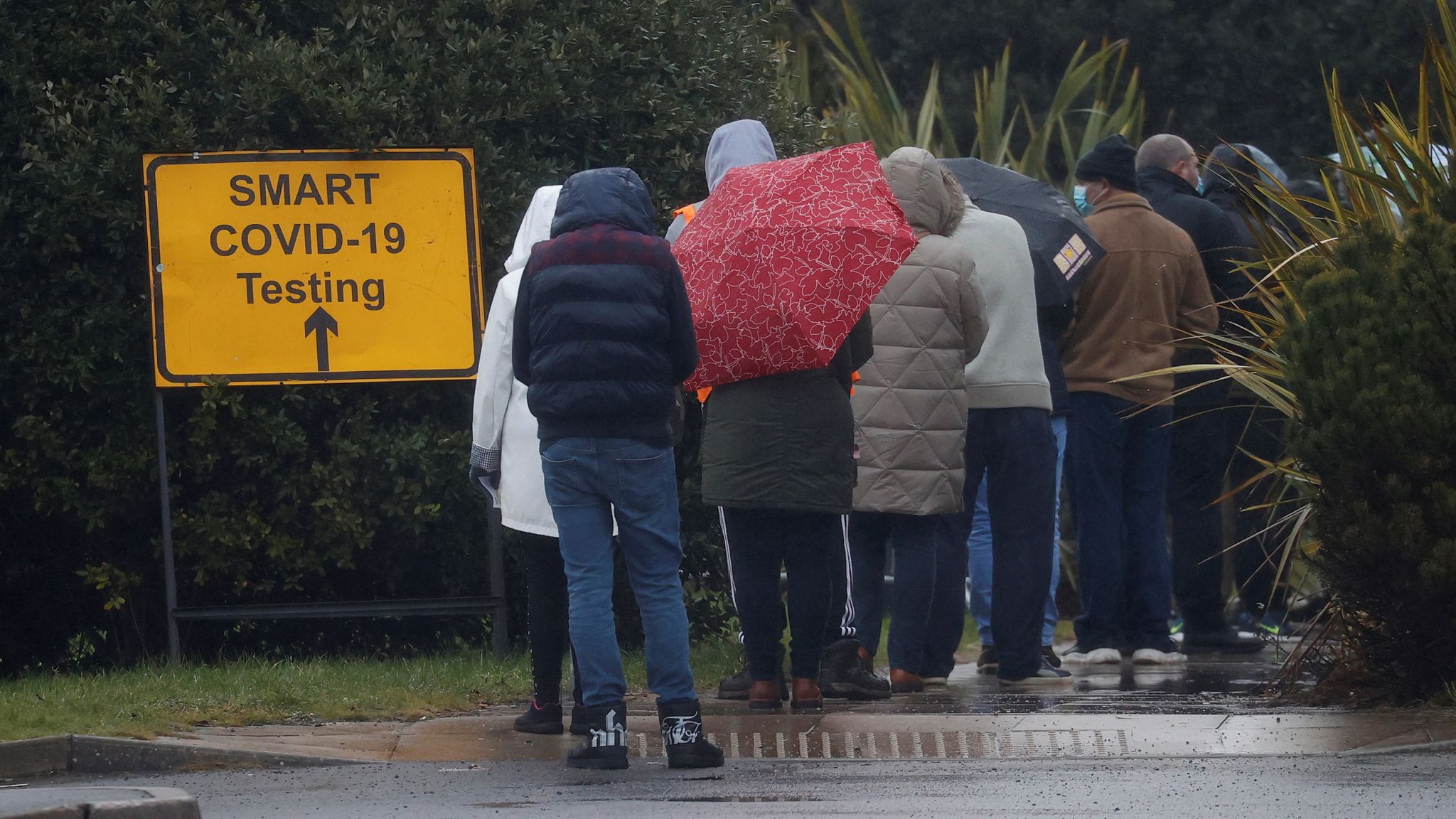
The rising emergency calls correspond with an early and intense surge in respiratory and viral infections this winter, according to LAS. Life-threatening emergencies involving breathing difficulties have increased by nearly 20% compared to the same period last year. Overall, Category 1 incidents—which include life-or-death emergencies like cardiac arrests—are up 10% year-on-year.
Mr. Harman highlighted the impact of colder weather, stating, “Colder weather can have a serious impact on people’s health, particularly older adults, young children, and individuals with existing health conditions.” This seasonal factor compounds the pressure on ambulance services and healthcare providers.
To address these challenges, LAS has expanded its winter plan, which includes:
- Deploying additional ambulances during peak demand hours
- Increasing the number of clinicians providing care and advice over the phone
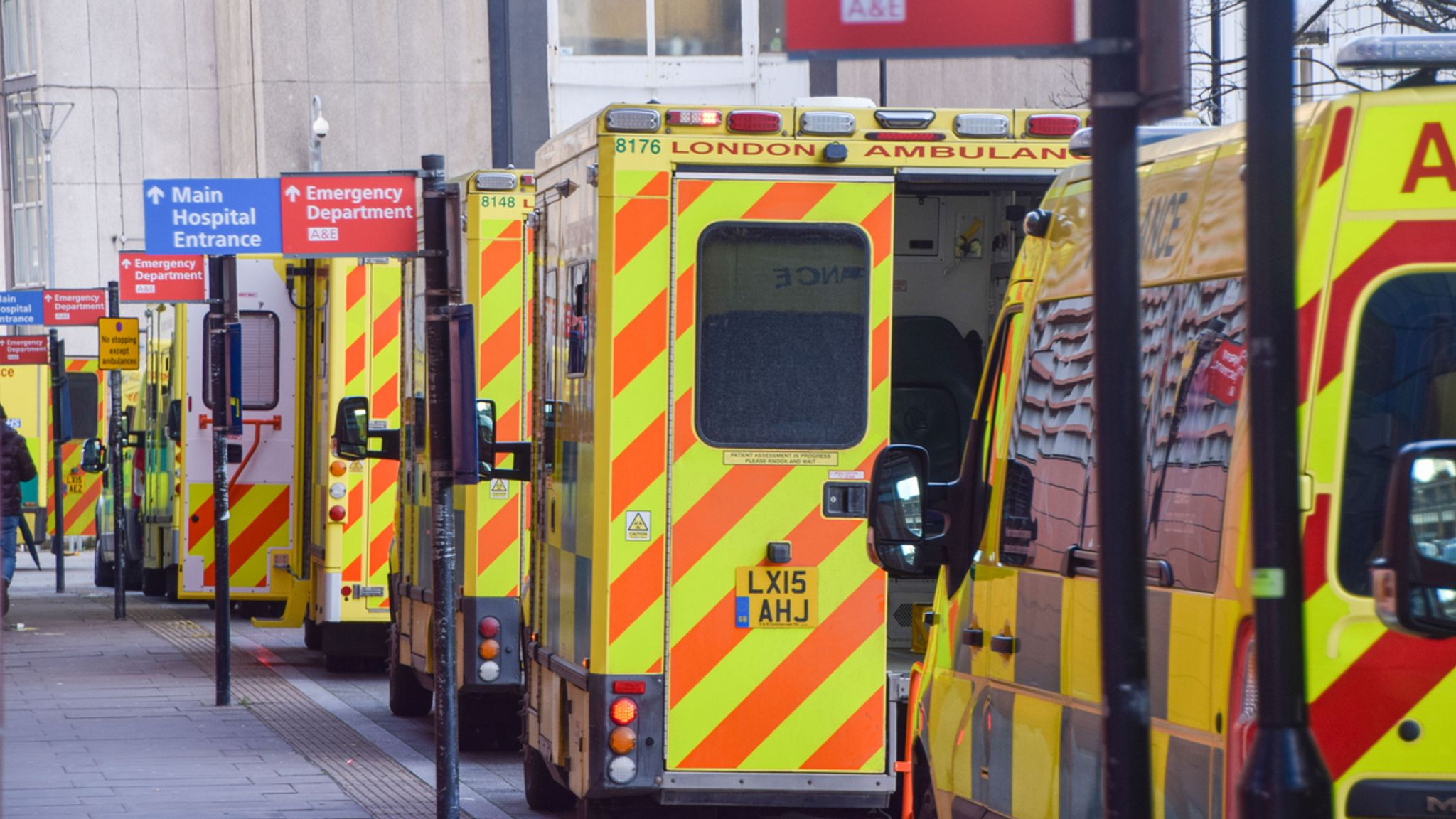
- Collaborating closely with hospitals to expedite patient handovers in emergency departments
- Utilizing AI tools to assist in recording patient information efficiently
These strategies aim to ensure ambulances are available for the most critical cases, while also providing appropriate care remotely when possible, reducing unnecessary hospital visits.
What This Means for Londoners and Healthcare Services
The critical incident declaration underscores the intense strain on London’s emergency medical infrastructure as it navigates unprecedented demand. While LAS continues to innovate and adapt, the situation reflects broader public health challenges, including the ongoing impact of seasonal illnesses and a growing population with complex health needs.
LAS advises Londoners eligible for flu vaccinations to receive them promptly, emphasizing vaccination as one of the most effective defenses against severe winter illnesses. Mr. Harman urged the public to “look after yourselves and those around you, particularly anyone who may be more vulnerable to the colder weather.”
Despite the current pressures, figures from April show that LAS has made significant improvements in response times. In the financial year 2025/26, the service achieved its fastest response to Category 1 calls—critical emergencies—in four years, and the best response times in five years for Category 2 calls, which cover urgent conditions such as strokes, chest pain, and breathing difficulties.
This progress demonstrates LAS’s commitment to maintaining high standards of care even amid rising demand and complex challenges.
Looking Ahead: Managing Winter Pressures and Protecting Vulnerable Communities
The current critical incident highlights the urgent need for ongoing investment, preparedness, and public cooperation to navigate the pressures of winter on emergency services. As respiratory illnesses and viral infections continue to surge, the London Ambulance Service’s ability to adapt and collaborate with healthcare partners will be vital to safeguarding the health of the city’s residents.
For individuals, taking preventive health measures—like getting vaccinated and seeking timely medical advice—remains crucial. For the healthcare system, balancing rapid emergency response with effective patient care pathways will define success this winter.
In summary, the LAS’s critical incident declaration is a clear signal of the mounting challenges facing London’s emergency medical services. With strategic steps underway to manage demand and improve efficiency, the focus remains on delivering life-saving care as swiftly and effectively as possible.