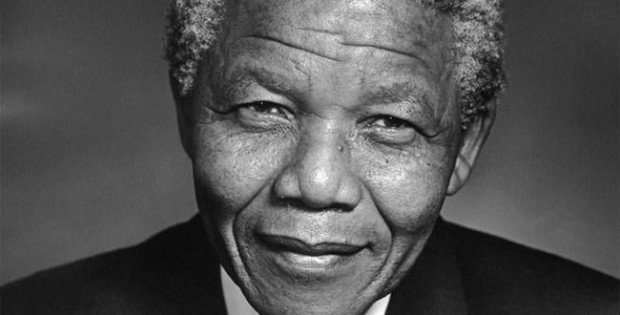
Nelson Mandela, the towering figure who reshaped South Africa and inspired millions worldwide, has died at the age of 95. Known as a global symbol of peace, freedom, and reconciliation, Mandela’s passing marks the end of an extraordinary life defined by courage, resilience, and unwavering commitment to justice.
Nelson Mandela’s Life and Legacy
Mandela’s journey was nothing short of remarkable. He endured nearly three decades behind bars, including 18 years on the infamous Robben Island, imprisoned for his fight against the brutal apartheid regime that enforced racial segregation in South Africa. Despite the harsh conditions and personal sacrifice, Mandela emerged from prison in 1990 not with bitterness but with a vision for unity and democracy.
In 1994, Mandela became South Africa’s first black president, marking a historic turning point in the nation’s history. His presidency ended decades of white minority rule and ushered in a new era where all South Africans, regardless of race, could exercise their right to vote and participate in government. Mandela’s leadership was characterized by humility, inclusiveness, and a relentless drive to heal a deeply divided society.
Mandela’s impact extended far beyond South Africa’s borders. Awarded the Nobel Peace Prize in 1993, he was universally admired for his dedication to human rights and his ability to forgive and reconcile. His legacy lives on as a beacon of hope for oppressed peoples everywhere.

Final Days and National Mourning
In recent years, Mandela’s health had declined due to a prolonged lung infection, a complication traced back to his years in prison. Over the past three years, he received ongoing medical treatment and was critically ill in the last six months. On the day of his death, Mandela was surrounded by family in his Johannesburg home, a private moment marking the end of a public life that touched millions.
South African President Jacob Zuma expressed the nation’s profound grief, calling Mandela “our greatest son” and reflecting on the collective loss felt across the country. Zuma emphasized Mandela’s tireless struggle for freedom and his unparalleled humility and humanity that earned global admiration. National flags were ordered to fly at half-mast and plans for a state funeral were announced, signaling the scale of the nation’s mourning.
Crowds gathered outside Mandela’s home in Johannesburg, singing traditional songs and celebrating the life of a man many affectionately called “Madiba,” a clan name that symbolizes respect and affection in South African culture.

Global Tributes and Reflections
The news of Mandela’s death reverberated worldwide, prompting tributes from world leaders and citizens alike. In London, the premiere of the film Mandela: Long Walk To Freedom coincided with the announcement of his passing, casting a somber tone over an event meant to honor his life. Mandela’s daughters, Zindzi and Zenani Mandela, were informed just as the screening began but chose to let the event continue, a testament to their father’s enduring influence.
Leaders including UK Prime Minister David Cameron and US President Barack Obama paid homage to Mandela’s extraordinary legacy. Cameron described him as “one of the brightest lights of our world,” a hero not just of his time but for all time. President Obama called Mandela an “extraordinary man” whose journey from prisoner to president inspired not only nations but individuals on a deeply personal level. Obama poignantly remarked that Mandela no longer belongs to the living but “belongs to the ages.”
The British monarch, Queen Elizabeth II, expressed her deep sadness and hailed Mandela’s tireless efforts that forged the peaceful South Africa known today. Even members of the royal family attending the London premiere, including Prince William, reflected on Mandela’s inspirational life, sending condolences and prayers to his family.
What This Means for South Africa and the World
Nelson Mandela’s death marks the conclusion of a monumental chapter in South African history. His legacy is embedded in the nation’s constitution, its commitment to equality, and the ongoing efforts to overcome the social and economic scars left by apartheid. Mandela’s example continues to influence leaders and activists striving for justice worldwide.
The state funeral plans include lying in state at a military hospital in Pretoria, followed by a memorial service in Qunu, the village in the Eastern Cape where Mandela was born and raised. His passing invites reflection on the power of forgiveness and the enduring struggle for human dignity.
Mandela is survived by his third wife, Graca Machel, and his daughters Makaziwe, Zindzi, and Zenani. As South Africa and the world mourn, his life stands as a testament to the resilience of the human spirit and the possibility of reconciliation in even the most divided societies.
Nelson Mandela’s story is not simply a historical account but a continuing call to action. His legacy challenges us to confront injustice, embrace compassion, and work tirelessly towards a world where freedom and equality are realities for all.