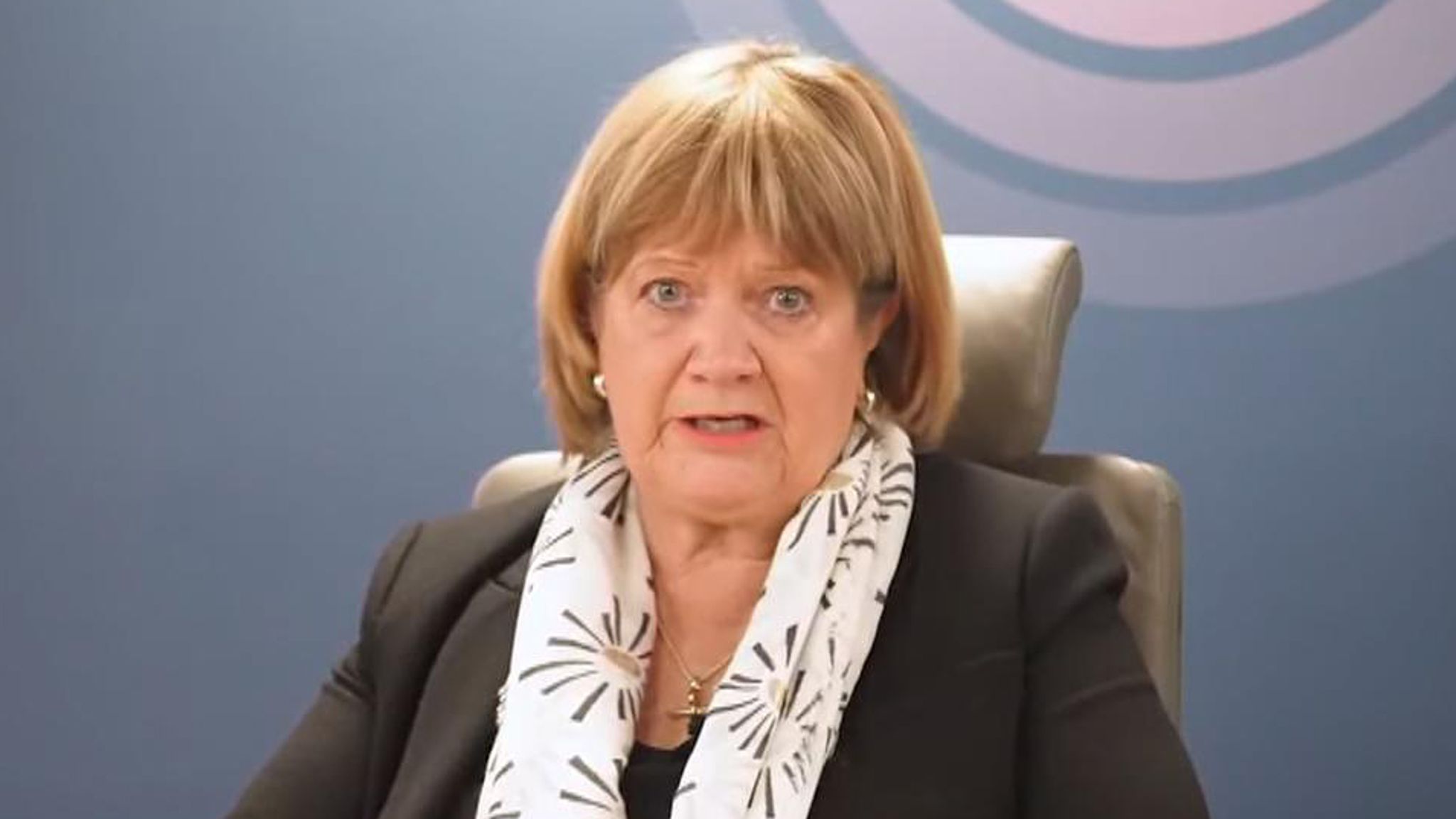
The UK’s National Health Service (NHS) came perilously close to collapse during the COVID-19 pandemic, according to the latest findings from the UK COVID-19 Inquiry. Baroness Heather Hallett, chair of the inquiry, delivered a stark warning that the healthcare system “teetered on the brink of total collapse” as it struggled to manage unprecedented demand and strain.
What Happened: NHS Struggled Under Unprecedented Pressure
The third module of the inquiry’s comprehensive investigation focused on the pandemic’s impact on healthcare systems across England, Scotland, Wales, and Northern Ireland. Drawing on testimony from 97 witnesses, the report exposes how the UK entered the crisis woefully unprepared, leaving the NHS dangerously fragile as the virus swept through the population.
Despite heroic efforts by healthcare workers, many COVID-19 patients did not receive the level of care they might have expected under normal circumstances. Meanwhile, patients with other serious conditions faced delays in diagnosis and treatment, exacerbating health outcomes beyond the direct effects of the virus.
Baroness Hallett emphasized the extraordinary burden borne by medical staff, who worked “under intolerable pressure for months on end.” She acknowledged that the system’s near-collapse was averted only through the “extraordinary efforts” of those on the front lines, often at great personal cost to themselves and their families.
The Inquiry’s Findings: Systemic Weaknesses and Consequences
The report lays bare significant vulnerabilities within the NHS and its preparedness for a major health emergency. It highlights how years of austerity and underfunding left the health service without sufficient staff, beds, or surge capacity to handle a crisis of this scale.
One of the inquiry’s most damning conclusions is that the UK’s healthcare system was not equipped to absorb the shock, resulting in “profound consequences” for patients and healthcare workers alike. Many non-COVID patients suffered due to delayed care, and families endured painful separations from loved ones who died alone in hospitals.
Healthcare workers faced not only overwhelming workloads but also mental health challenges and physical exhaustion—a toll that continues to affect many to this day. The report stresses that these failures were not inevitable but the result of political decisions and systemic neglect.
Calls for Change: Recommendations to Strengthen NHS Resilience
In response to these findings, the inquiry issues 10 key recommendations aimed at preventing future healthcare system overwhelm. These include expanding urgent and emergency care capacity, ensuring hospitals maintain surge capacity during crises, strengthening infection prevention and control bodies, and improving advance care planning for patients.
Campaign groups representing families affected by COVID-19 have described the report as “utterly damning,” accusing the government of failing to act swiftly and decisively despite clear warnings. They warn that the NHS is now in a worse position to handle another pandemic than it was six years ago.
The current meningitis outbreak in Kent serves as a stark reminder of the urgent need to rebuild the health service’s capacity and resilience. Advocacy groups urge that the inquiry’s recommendations form the baseline for government action rather than the ceiling, calling for a radical overhaul to avoid repeating past mistakes.

Why It Matters: Lessons for the Future of UK Healthcare
The inquiry’s revelations shatter the long-held belief that “the NHS always copes.” Instead, it underscores the fragile state of the health system when confronted with an unprecedented global emergency. This transparency is critical for public understanding and for driving the reforms necessary to safeguard healthcare delivery going forward.
Baroness Hallett’s report serves as both a tribute to the dedication of healthcare workers and a sobering indictment of political and systemic failures. It highlights the urgent need for sustained investment, strategic planning, and robust infrastructure to protect the public in future crises.
The government has pledged to carefully consider the report’s findings and respond comprehensively. How it acts now will determine whether the NHS can recover its strength and truly prepare for whatever health challenges lie ahead.
Looking Ahead: A Call to Action
The COVID-19 pandemic tested the limits of the NHS like never before, exposing vulnerabilities that demand immediate attention. This inquiry provides a crucial roadmap for change, emphasizing that resilience and preparedness must be non-negotiable priorities.
Failure to implement these lessons and safeguard the health system would be a betrayal of those who sacrificed so much during the crisis. The NHS came close to breaking—now is the time to ensure it never does again.