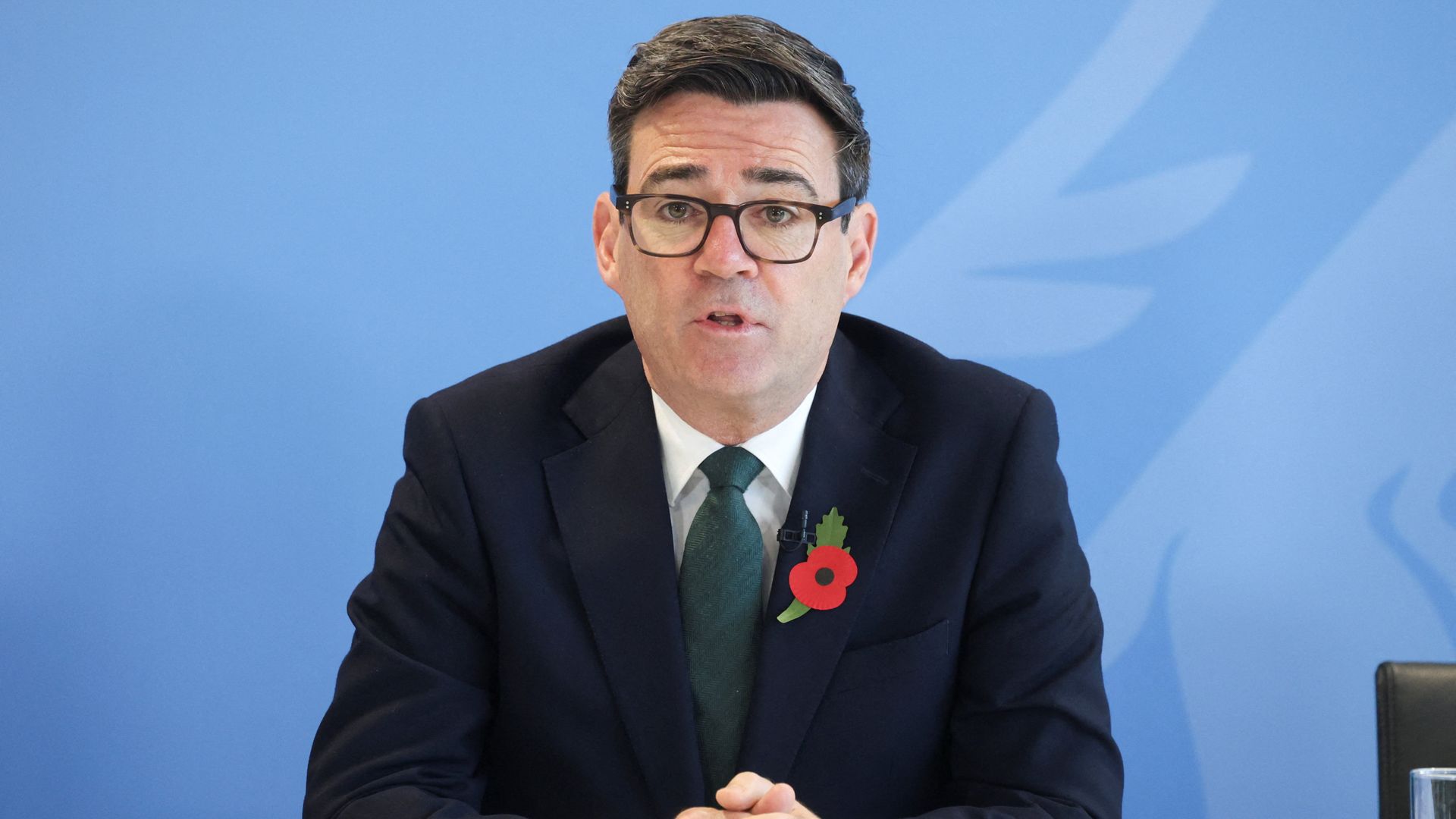
Foreign Secretary Ed Miliband has sharply criticized the Israeli government’s recent approval of a new settlement project in the occupied West Bank, sparking a fierce diplomatic confrontation. This dispute highlights the ongoing tensions between the UK and Israel over settlement policies that have long fueled conflict in the region.
What Sparked the Diplomatic Clash?
The conflict erupted after Israel announced plans to expand settlements in the West Bank, an area internationally recognized as occupied territory. These settlements are considered illegal under international law, though Israel disputes this. Miliband condemned the project, emphasizing that such actions undermine the prospects for peace and violate international agreements.
Israel’s government responded by defending its right to develop housing in the West Bank, arguing that these settlements are essential for security and the natural growth of Israeli communities. This response intensified the disagreement, with Miliband accusing Israel of disregarding global norms and jeopardizing regional stability.

Why West Bank Settlements Remain a Flashpoint
The West Bank has been a focal point of Israeli-Palestinian tensions for decades. Following the 1967 Six-Day War, Israel occupied the territory and began establishing settlements, which Palestinians and much of the international community view as illegal encroachments on land meant for a future Palestinian state.
Settlement expansion is widely seen as one of the biggest obstacles to achieving a two-state solution. It complicates peace negotiations by altering facts on the ground, making territorial compromises more difficult. The international community, including the United Nations and the European Union, has repeatedly called on Israel to halt settlement activities.
For the UK, these developments carry significant diplomatic weight. Foreign Secretary Miliband’s outspoken opposition reflects a broader Western concern that settlement projects exacerbate violence and hinder efforts to broker lasting peace between Israelis and Palestinians.
What This Clash Means for UK-Israel Relations
This public confrontation marks a notable strain in UK-Israel relations, which have historically been complex but generally cooperative. Miliband’s criticism signals a tougher stance from the UK government on settlement policy, aligning with international law and human rights principles.
Israel’s firm defense of its settlement plans suggests it will continue to prioritize strategic and demographic objectives in the West Bank, despite international backlash. This impasse underscores the deep divisions that persist over the future of the occupied territories.
Diplomatic tensions over settlements may impact broader cooperation on security, trade, and regional diplomacy between the two countries. However, both sides have expressed a desire to maintain dialogue amidst disagreements, recognizing the importance of their bilateral relationship.
Looking Ahead: The Road to Peace Remains Uncertain
The dispute between Ed Miliband and the Israeli government over West Bank settlements shines a spotlight on the enduring challenges to peace in the Middle East. Settlement expansion continues to be a catalyst for conflict, undermining trust and complicating negotiations.
For policymakers and observers, this clash illustrates the urgent need for renewed diplomatic efforts that address core issues such as settlements, security, and sovereignty. Without progress on these fronts, tensions are likely to intensify, further destabilizing the region.
Ultimately, the international community’s response, combined with internal political will from both Israelis and Palestinians, will determine whether peace remains a distant hope or becomes an achievable reality.