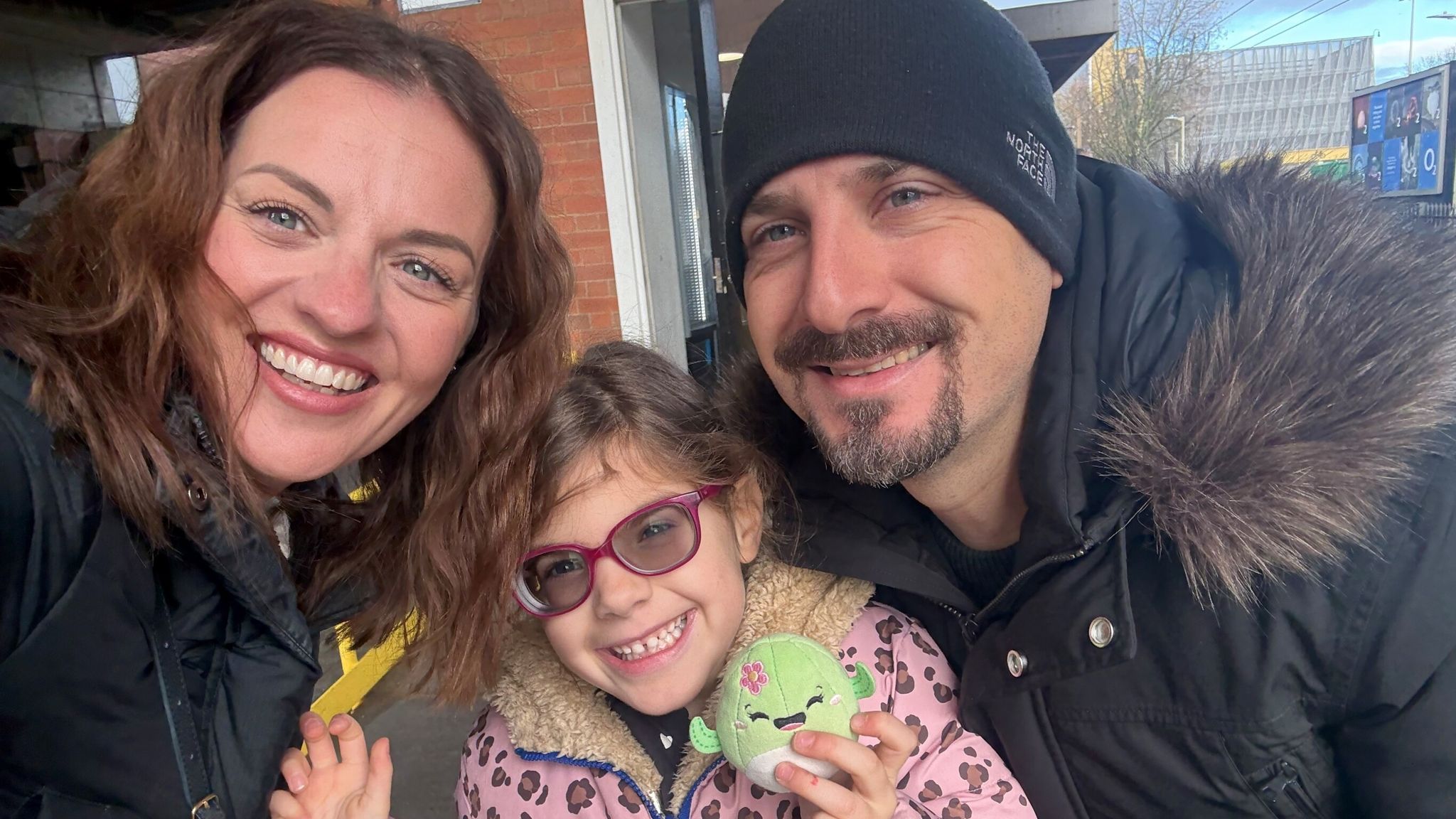
At just six years old, Saffie Sandford has experienced a remarkable transformation: her sight, severely impaired by a rare genetic disorder, has been restored thanks to pioneering gene therapy available through the NHS. This revolutionary treatment offers new hope for individuals affected by inherited eye conditions that traditionally lead to blindness.
The Life-Altering Diagnosis and Treatment
Saffie, a young schoolgirl from Stevenage, Hertfordshire, suffers from Leber’s Congenital Amaurosis (LCA), a rare inherited disease that prevents the retina’s cells from producing a crucial protein necessary for normal vision. Children with LCA typically experience poor vision in daylight and complete blindness in low light or darkness. Without intervention, affected individuals like Saffie face the prospect of losing their sight entirely by adulthood.
Her diagnosis came at age five after her parents noticed she struggled to see in dim lighting. Specialists at the renowned Moorfields Eye Hospital in London confirmed the condition, prompting a referral to Great Ormond Street Hospital (GOSH) for an innovative treatment.
The therapy, known as Luxturna, involves injecting a healthy copy of the defective gene directly into the eye, aiming to restore the function of retinal cells. This one-off gene therapy represents the first treatment specifically targeting one genetic cause of LCA and is now accessible via the NHS.
Transformative Impact on Saffie’s Life
Saffie underwent the gene therapy first in one eye in April of last year and then in her other eye in September. Prior to treatment, she was short-sighted—wearing glasses since age two—and faced significant challenges navigating in low light environments, effectively blind in the dark.
Her mother, Lisa Sandford, described the diagnosis as a “huge shock” and a “rollercoaster journey.” She was initially unaware that she and her husband were carriers of the genetic mutation responsible for LCA. Lisa emphasized how life-limiting the condition was for Saffie, restricting everyday activities that other children take for granted.

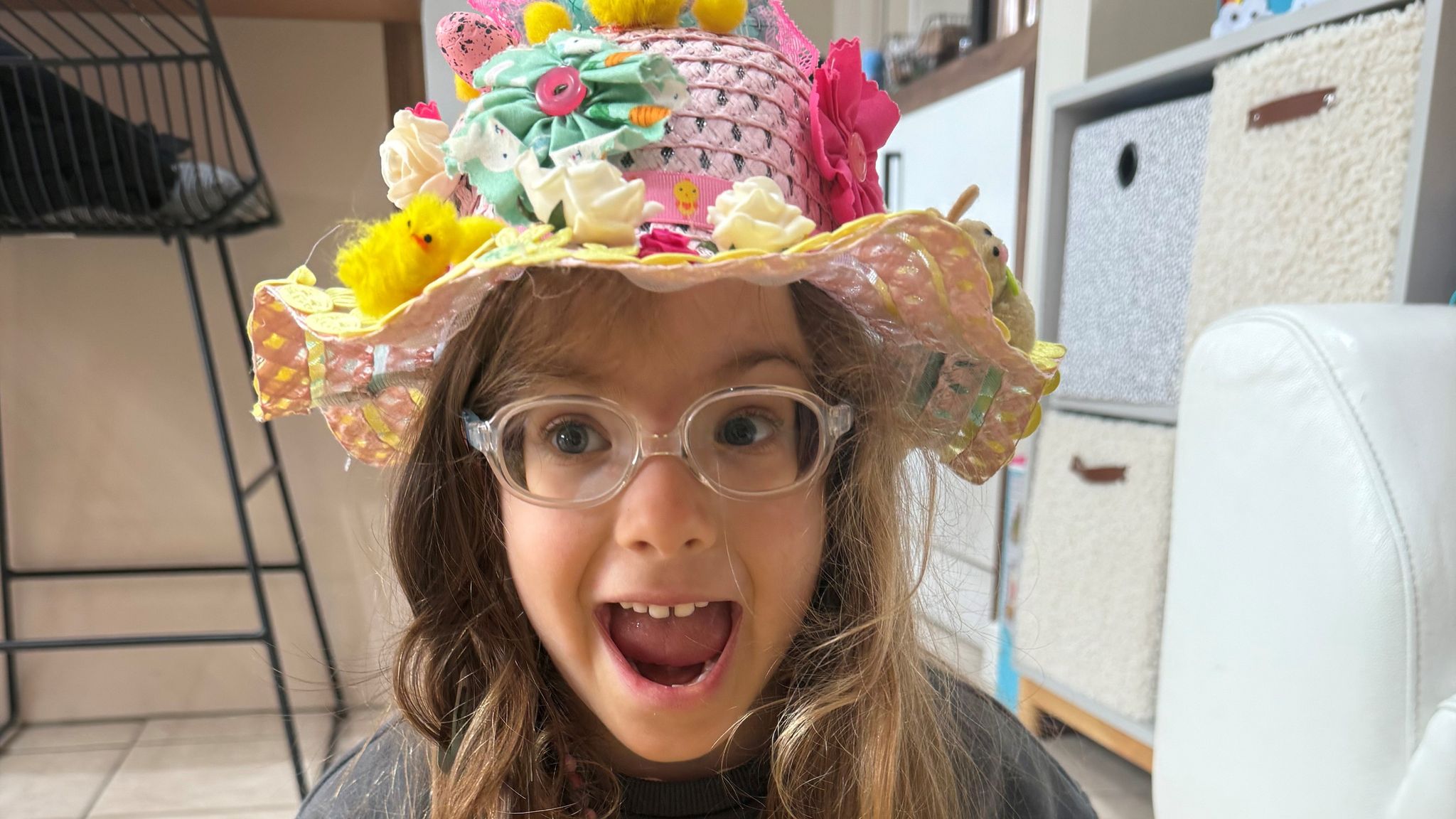
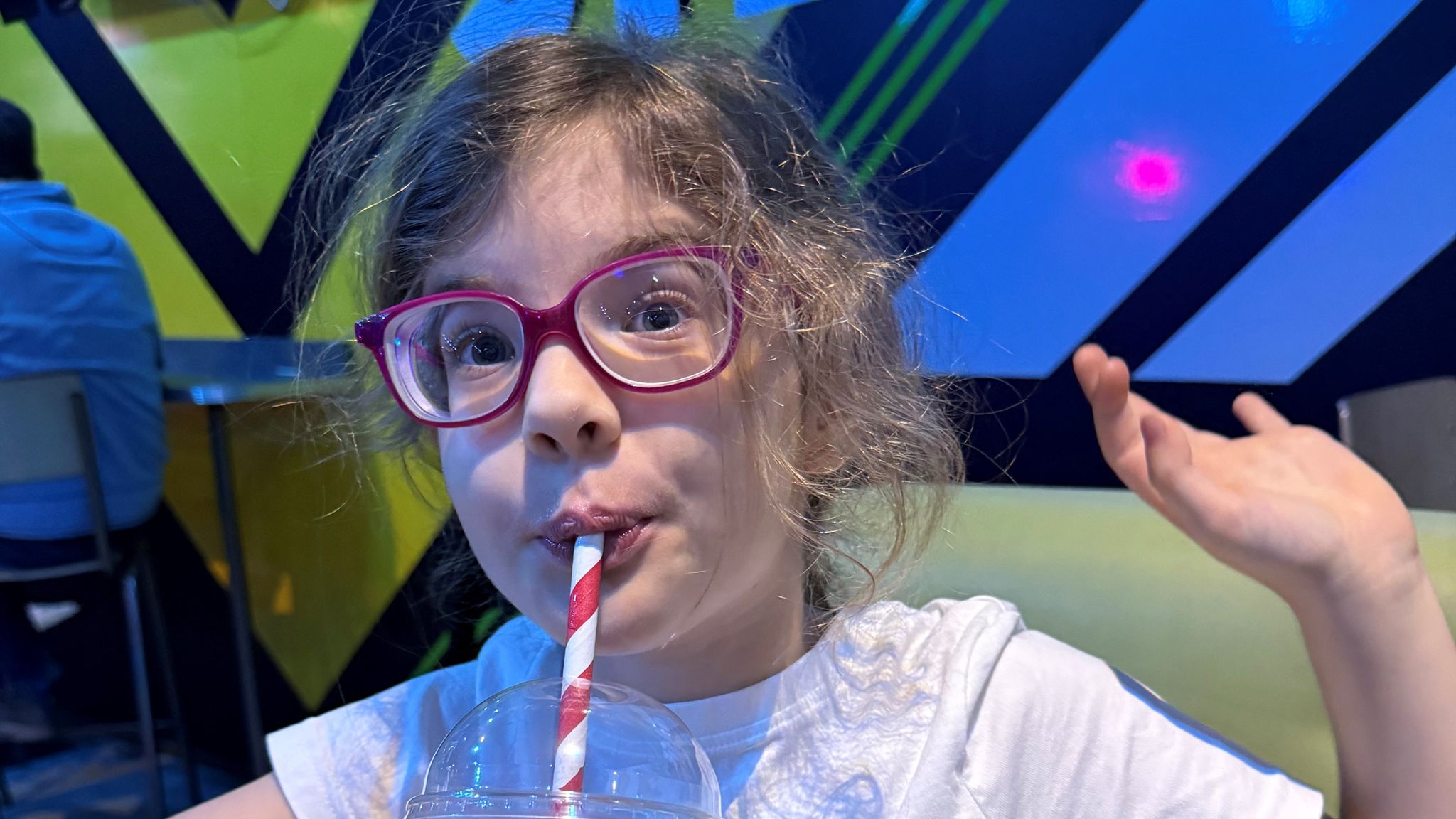
Since receiving Luxturna, the family has witnessed extraordinary improvements. Lisa said, “Having the gene treatment has been life-changing; it’s like someone waved a magic wand and restored her sight in the dark.” For the first time, Saffie can enjoy evening activities such as trick-or-treating and dining out—experiences previously impossible due to her vision impairment.
Beyond night vision, her peripheral sight during the day has sharpened, allowing her to better identify hazards and excel more confidently at school. Lisa proudly notes that Saffie is “thriving” and engaging in typical six-year-old activities like playing on climbing frames, with no visible signs of her prior visual limitations.
Why This Breakthrough Matters
The success of Saffie’s treatment is not only a personal triumph but a milestone in treating inherited blindness. Recent research from Great Ormond Street Hospital and University College London (UCL) highlights how Luxturna not only improves visual acuity but also strengthens the brain’s visual pathways during critical stages of development. This dual benefit suggests gene therapy can have lasting, transformative effects when administered early.
Lisa reflects on the family’s gratitude, acknowledging that while the therapy may not offer a permanent cure, the gift of restored sight—however long it lasts—is invaluable. “We are eternally grateful that our little girl has been given her sight back,” she said. Every day, they cherish the chance to witness the world through Saffie’s eyes anew.
Looking Ahead: A New Era for Genetic Eye Disorders
Saffie’s story exemplifies the promise of precision medicine and gene therapy in tackling previously untreatable genetic conditions. As these therapies become more widely accessible, countless children born with inherited retinal diseases may gain a future where blindness is no longer inevitable.
For families facing similar diagnoses, this breakthrough offers hope and reassurance that medical science is advancing rapidly to restore quality of life. The NHS’s provision of such cutting-edge treatment underscores the importance of early diagnosis, specialist care, and ongoing research to unlock further cures.
With continued innovation and support, stories like Saffie’s will increasingly become the norm rather than the exception—transforming lives and redefining what is possible in vision care.