The long-awaited Terminally Ill Adults (End of Life) Bill, designed to legalise assisted dying for terminally ill adults, has officially run out of time in the House of Lords. Despite passionate debates and strong public interest, this private members’ bill will not become law this parliamentary session. However, campaigners remain determined to reintroduce and advance the legislation in the near future.
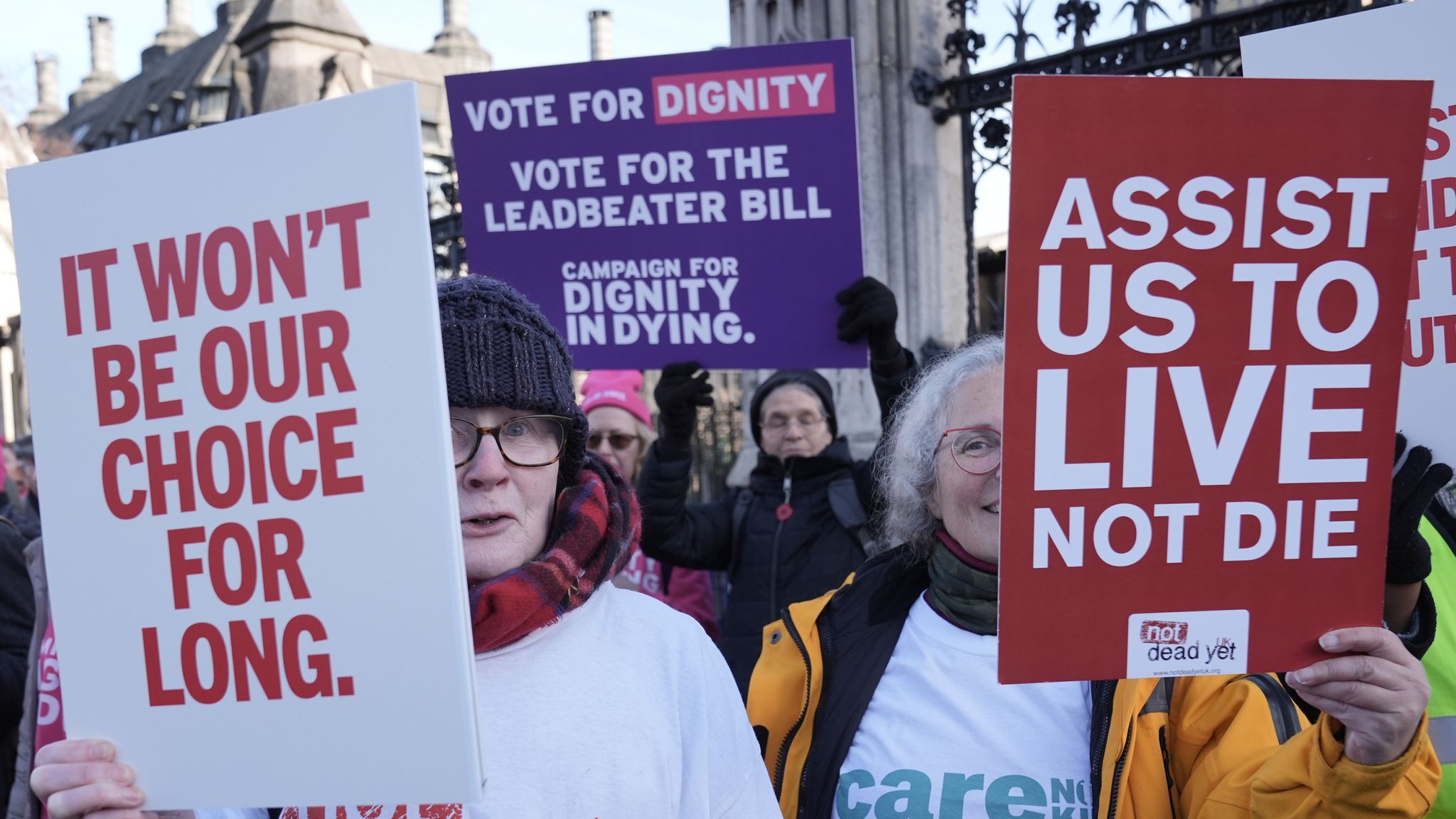
How the Assisted Dying Bill Stalled in the House of Lords
The bill aimed to allow adults over 18, diagnosed with a terminal illness and expected to live no longer than six months, to request medical assistance to end their lives. It passed the House of Commons in June 2025 but became ensnared in lengthy scrutiny and debate in the House of Lords, which began considering it in September 2025.
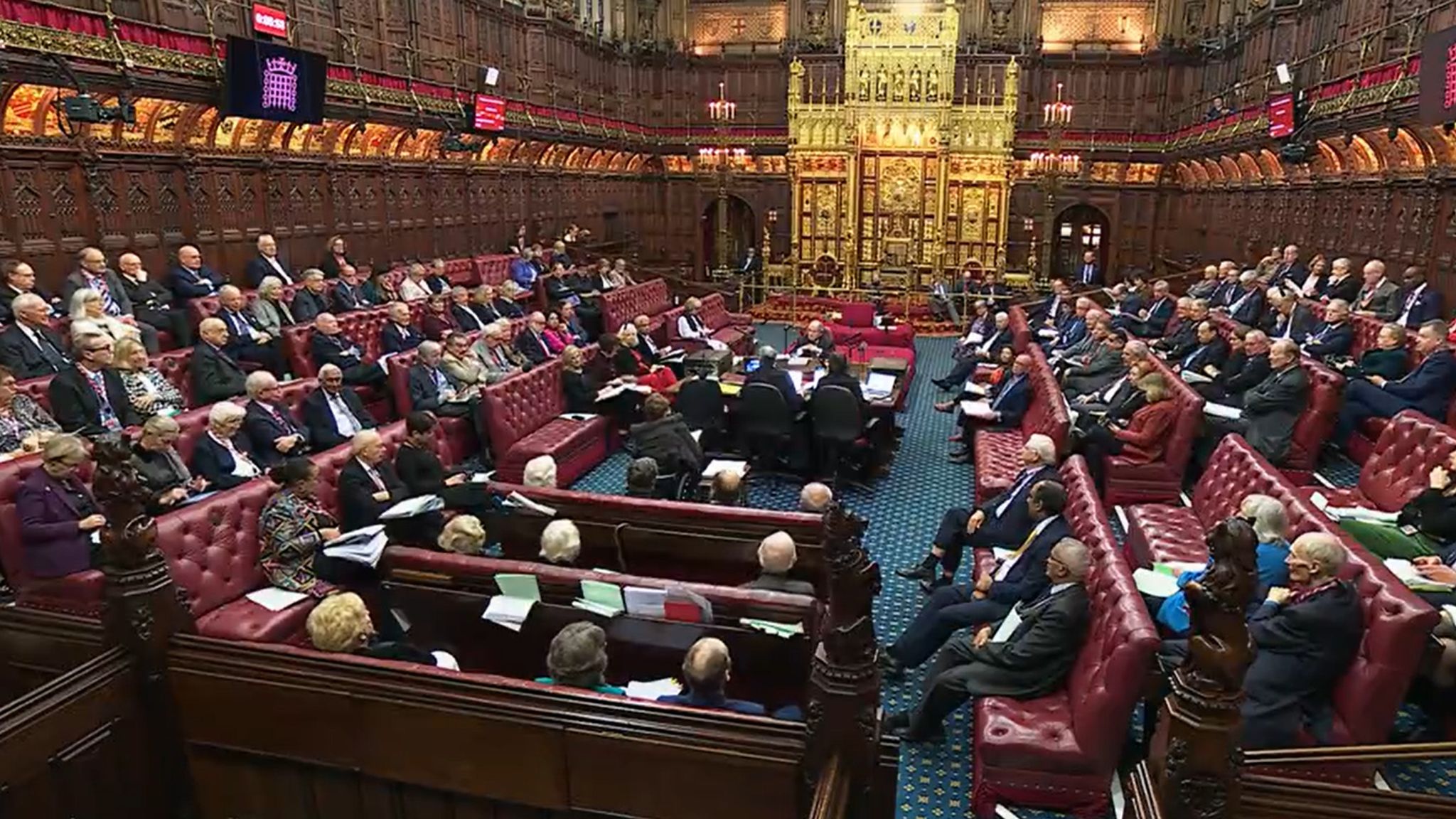
Unlike the Commons, where debate times are tightly controlled, the Lords operates under a self-regulating system that enables peers to extend discussions indefinitely. Supporters accuse a small number of peers of deliberately filibustering, effectively blocking the bill by consuming all available parliamentary time. Critics deny these allegations, insisting their detailed scrutiny aimed to improve the bill’s safety and safeguards.
The bill reached only the third of five stages in the Lords before the parliamentary session ended, making it impossible to complete the process. Since private members’ bills cannot carry over into a new session, the legislation has effectively expired.
Background: The Bill’s Journey and Controversies
Introduced by Labour MP Kim Leadbeater, the bill emerged from a ballot of backbench MPs eager to propose new laws. It initially secured a healthy majority in the Commons in November 2024, winning by 55 votes. However, support dwindled to a 23-vote margin by its final Commons vote in June 2025.
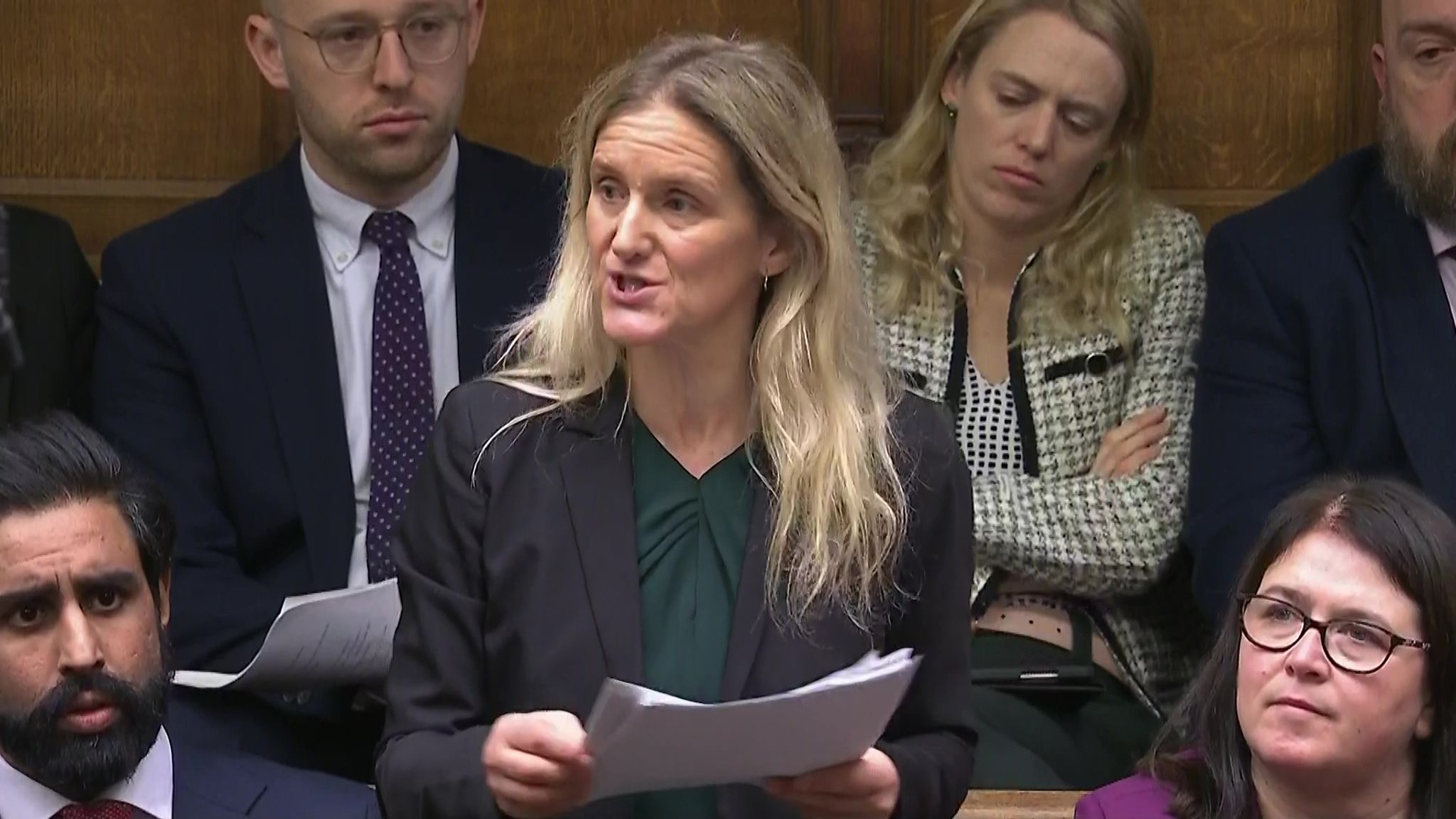
One key point of contention was a major amendment replacing the High Court judge’s mandatory approval of assisted dying applications with a panel consisting of a senior lawyer, a psychiatrist, and a social worker. Critics argued this diluted judicial oversight, while Leadbeater defended the change, citing the panel’s broader expertise and the overburdened court system, which lacked capacity to process applications swiftly.
The bill also divided medical professionals and politicians. Although some medical bodies did not oppose assisted dying in principle, all professional medical colleges opposed this specific bill, citing concerns over insufficient safeguards for vulnerable and disabled individuals.
What’s Next for Assisted Dying Legislation?
Despite this setback, supporters refuse to abandon the campaign. Plans are underway to mobilise around 200 MPs ready to back a renewed attempt to pass the bill in the next parliamentary session, following the private members’ bill ballot scheduled for 21 May.
Supporters hope to fast-track the bill through the Commons, possibly by stacking committee membership with proponents who have already scrutinised the legislation extensively. If successful, the bill will return to the Lords for further consideration.
Should it again fail to pass the upper chamber, supporters may invoke the Parliament Act. This rarely used constitutional mechanism allows a bill approved by the Commons in two consecutive sessions—but rejected twice by the Lords—to become law without the Lords’ consent. Although never applied to a private members’ bill before, officials have confirmed this route is theoretically possible. However, it would prevent any further amendments to the bill.
Leadbeater emphasises the campaign’s resilience: “This is not over. The issue will not disappear due to what we believe was an undemocratic filibuster in the Lords. We will continue pushing for a safer, more compassionate law until Parliament reaches a final decision.”
Opposition Remains Firm and Vocal
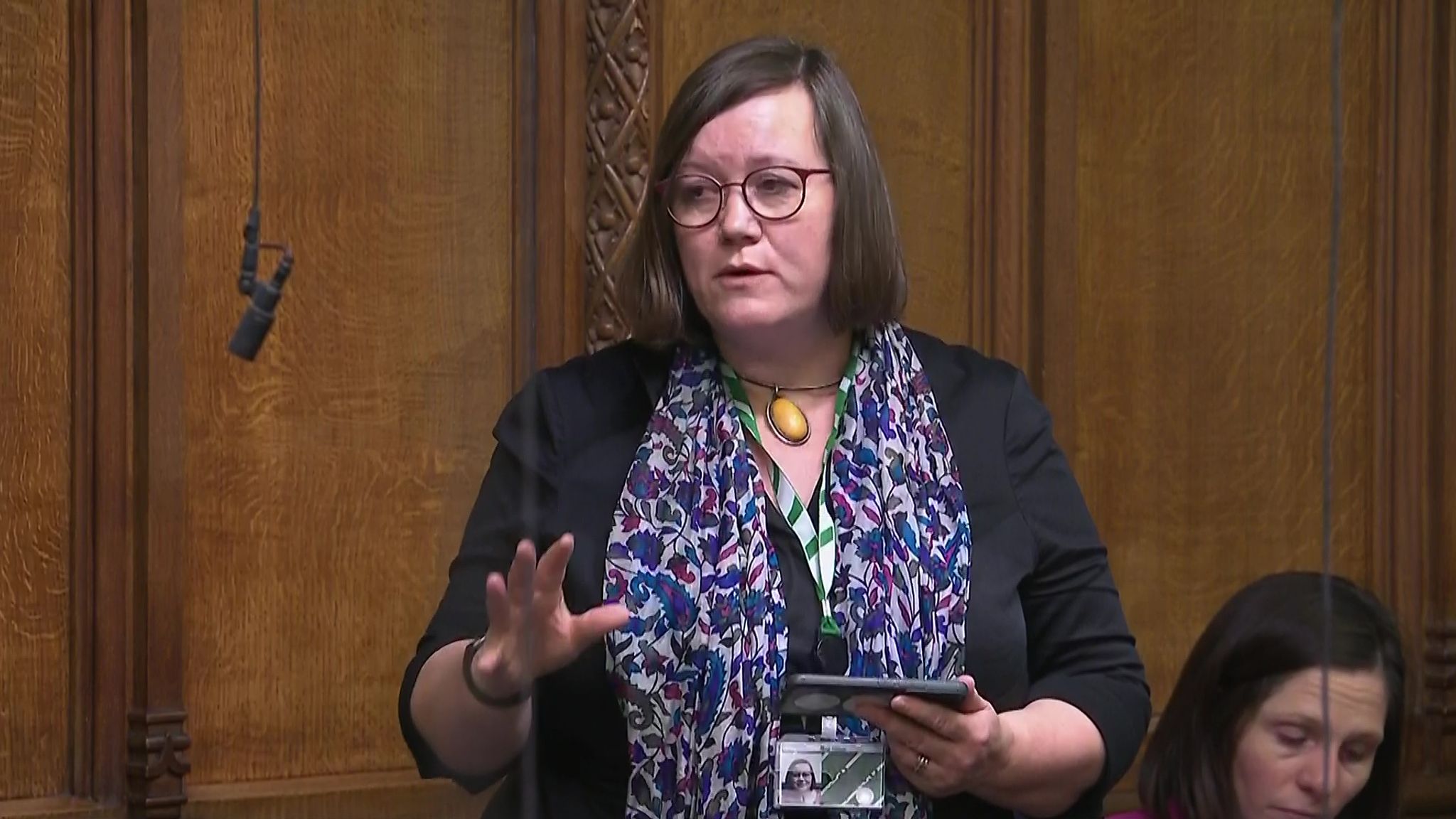
Opponents of the bill, including Labour MP Meg Hillier, maintain their resistance. They argue the bill remains flawed, lacking adequate protections for vulnerable groups, and accuse supporters of refusing to engage constructively to improve it.
Critics highlight that many MPs may reconsider their support if asked to vote again on a bill viewed as dangerous and unamendable. They also stress that assisted dying is not a top public priority, citing a recent poll indicating 94% of respondents did not list it among their concerns.
Opponents further accuse supporters of using procedural tactics to force the bill through Parliament, while supporters counter that critics have been unreasonable blockers.
Why This Legislative Battle Matters
The debate over assisted dying touches on profound ethical, medical, and legal questions about individual autonomy, the role of the state, and protections for the vulnerable. The failure of this bill to become law this session does not signal the end of the conversation but highlights the complexities of legislating on such a sensitive issue.
With the next parliamentary session approaching, the fate of assisted dying legislation in England and Wales remains uncertain but highly contested. The interplay between the elected Commons and the unelected Lords, public opinion, and medical ethics will continue shaping this deeply divisive topic.
For now, the campaign for a legal framework permitting assisted dying presses on—poised to return with renewed vigor in the months ahead.