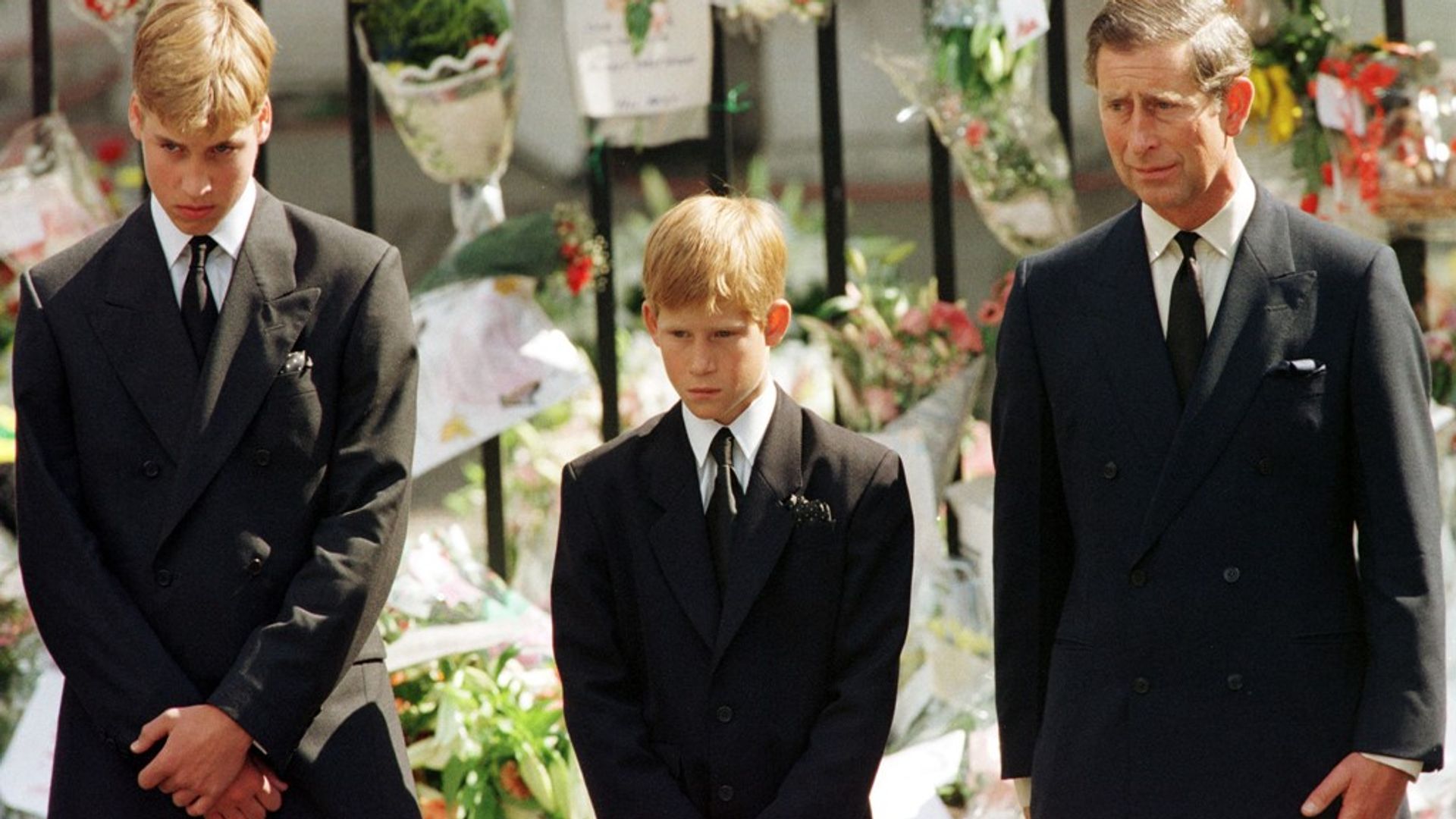
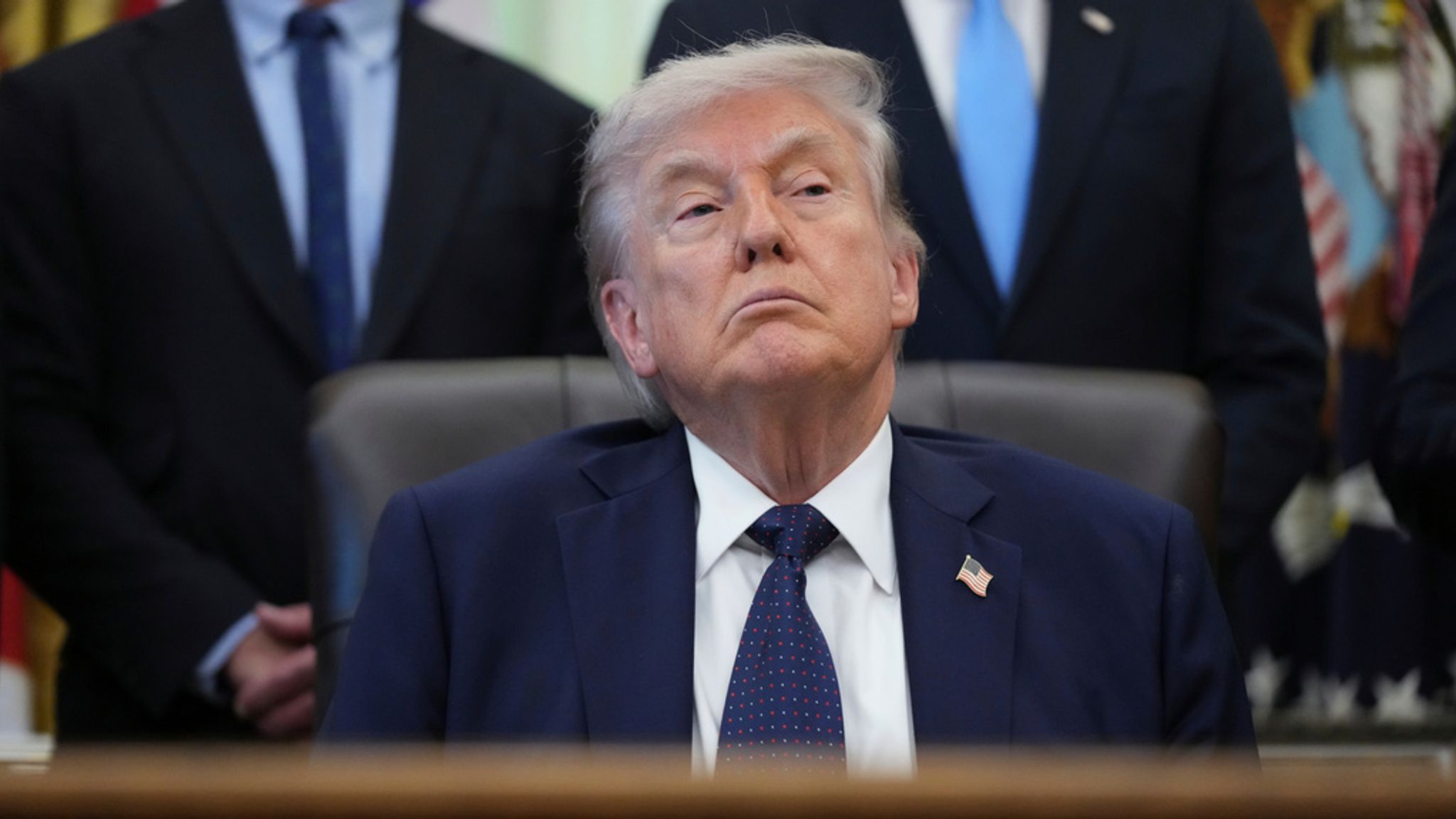
Donald Trump sharply criticized Prince Harry after the Duke of Sussex urged the United States to honor its commitments in the ongoing war in Ukraine. Trump dismissed Harry’s comments, asserting that the prince does not represent the United Kingdom, and claimed he himself better embodies the UK’s stance on the conflict.
Prince Harry’s Bold Call for US Leadership in Ukraine
During a surprise visit to Kyiv on Thursday, Prince Harry made his third trip to Ukraine since Russia’s invasion began in early 2022. Speaking at the Kyiv Security Forum, Harry emphasized that he was acting not as a politician but as a “humanitarian” and a “soldier who understands service.”
He urged the United States to uphold its “international treaty obligations,” highlighting America’s unique responsibility due to its role in Ukraine’s decision to relinquish nuclear weapons after the Cold War. Harry framed the US commitment as essential for “global security and strategic stability,” stressing that the support was not an act of charity but a crucial duty tied to international agreements.
Harry stated, “The United States has a singular role in this story. Not only because of its power, but because when Ukraine gave up nuclear weapons, America was part of the assurance that Ukraine’s sovereignty and borders would be respected.”
While he did not mention former President Trump by name, Harry’s remarks implicitly challenged the US administration’s approach to the conflict.
Trump’s Sharp Rebuttal: “He’s Not Speaking for the UK”
In response to a reporter’s question about Prince Harry’s call for greater US involvement in ending the war, Donald Trump reacted with a mixture of sarcasm and dismissal. “Prince Harry? How’s he doing? How’s his wife? Please give her my regards,” Trump said. “I know one thing, Prince Harry is not speaking for the UK, that’s for sure.”
This public rebuke highlights the deep divisions not just in American politics but also within how high-profile figures engage with the Ukraine crisis. Trump’s remarks came just days before King Charles III and Queen Camilla are set to visit Washington for a state visit commemorating the 250th anniversary of American independence.
The royal visit, scheduled to begin Monday, will include meetings with President Joe Biden and the First Lady, a speech to Congress by King Charles, a state dinner, and events marking the 25th anniversary of the 9/11 attacks.
Context: Strained UK-US Relations and the Royal Visit
Trump’s criticism of Prince Harry fits into a broader pattern of his outspoken views on UK politics and the special relationship between the two countries. Recently, he has expressed frustration with Sir Keir Starmer and the UK government, particularly regarding their initial refusal to grant US military access to British bases amid the Middle East tensions.
In a recent interview, Trump described Britain’s immigration policies as “insane,” lamenting what he perceives as a decline in the “special relationship” between the US and the UK. He also dismissed Starmer’s leadership, contrasting it unfavorably with the legacy of Winston Churchill.
Despite his criticisms, Trump suggested that the upcoming royal visit could help mend the transatlantic relationship, describing it as an opportunity to strengthen ties between the nations.
Why This Matters: Royal Influence and Global Security Dynamics
Prince Harry’s intervention in the Ukraine war discourse underscores the evolving role of the British royal family in international affairs. While traditionally apolitical, Harry’s humanitarian framing and military background have emboldened him to speak out on global security issues. His direct appeal to US leadership reflects growing international concern over the conflict’s escalation and the obligations of treaty signatories.
Conversely, Trump’s dismissal of Harry’s position reveals the complex intersection of politics, diplomacy, and personal influence. By asserting that Harry does not represent the UK, Trump seeks to delegitimize the prince’s voice on the world stage and reassert his own authority in transatlantic matters.
As King Charles and Queen Camilla prepare for their high-profile US visit, the contrast between royal diplomacy and political rhetoric will be closely watched. The visit aims to reinforce longstanding alliances and commemorate shared history, even as debates over military support and international responsibilities continue.
Looking Ahead
The tension between Prince Harry’s humanitarian appeal and Donald Trump’s political rebuttal highlights the multifaceted nature of the Ukraine conflict’s global impact. It also illustrates the ongoing negotiation of influence between traditional institutions like the British monarchy and outspoken political figures.
With the royal state visit imminent, observers will be keen to see how the UK and US navigate their relationship amidst competing voices on security, diplomacy, and leadership. The stakes remain high, as both nations grapple with their roles in supporting Ukraine and maintaining international stability.