Discover the comprehensive guide to London Underground stations offering step-free access, now conveniently available on Access to London.
Since 2005, Transport for London has been steadily transforming the Tube network to enhance accessibility for all passengers.
Progress on Accessibility Across the London Underground
Accessibility on the London Underground has evolved significantly over the past two decades. Beginning in 2005, Transport for London (TfL) launched extensive initiatives to retrofit existing stations and design new ones with step-free access. This strategic focus aims to eliminate barriers for passengers with mobility impairments, parents with strollers, travelers with heavy luggage, and anyone who benefits from level access between the street, platforms, and trains.
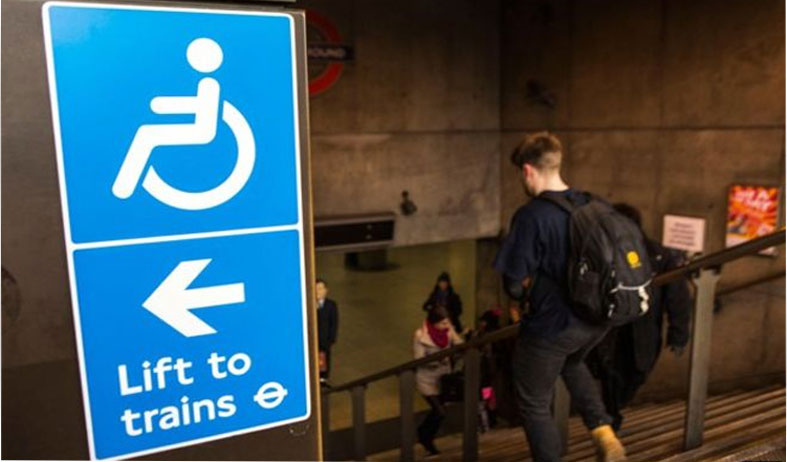
Step-free access involves the installation of elevators, ramps, and carefully designed pathways that connect street level directly to platforms and trains without requiring the use of stairs or escalators. This commitment reflects a broader societal shift towards inclusivity and equal access in public transportation systems worldwide.
Detailed Overview: Step-Free Access by Tube Line
Access to London provides a meticulously categorized list of Tube stations with step-free access, grouped by individual lines. This organization helps passengers plan journeys with confidence, knowing where they can enter and exit the network without encountering steps.
Bakerloo Line
The Bakerloo Line features stations such as Harrow & Wealdstone, Wembley Central, and Willesden Junction, all equipped with step-free access from street to platform. These stations serve as critical nodes in northwest London, improving mobility for residents and visitors alike.

Central Line
On the Central Line, stations including Epping, Hainault, Roding Valley, Stratford, and Woodford provide step-free routes from street to platform. This line extends deep into the east and northeast suburbs, making accessible travel an essential feature for commuters and leisure travelers.
Circle Line
Key Circle Line stations such as Blackfriars, Farringdon, King’s Cross, and Westminster offer step-free access. Notably, King’s Cross allows step-free access directly to trains, facilitating smoother transfers and boarding for passengers with reduced mobility.
District Line
The District Line boasts an extensive list of accessible stations, including Acton Town, Barking, Dagenham Heathway, Earl’s Court, Fulham Broadway, and Wimbledon. These stations provide step-free access from street to platform, supporting millions of daily passengers in west, east, and southwest London.
Hammersmith & City Line
This line includes stations such as Barking, East Ham, Farringdon, Hammersmith, and King’s Cross, many of which have step-free access to platforms and trains. This line’s accessibility enhancements improve connectivity across central and east London.
Jubilee Line
The Jubilee Line features numerous stations with step-free access from street to train, including Bermondsey, Canada Water, Canary Wharf, Canning Town, Green Park, London Bridge, and North Greenwich. These stations serve key commercial and residential hubs, underscoring the importance of accessible transport in London’s economic heart.

Metropolitan Line
On the Metropolitan Line, stations such as Chalfont & Latimer, Chesham, Farringdon, King’s Cross, and Wembley Park offer step-free journeys, enhancing travel options for commuters from outer London suburbs and beyond.
Northern Line
The Northern Line includes stations like Edgware, Finchley Central, Golders Green, King’s Cross, London Bridge, and Morden with step-free access either to platforms or trains. This line’s extensive coverage makes these accessibility upgrades vital for north-south travel across the city.
Piccadilly Line
Important Piccadilly Line stations with step-free access include Acton Town, Caledonian Road, Green Park, Heathrow Terminals 1,2,3,4,5, and Uxbridge. These improvements support both local commuters and international travelers accessing London’s major airport.
Victoria Line
The Victoria Line features step-free access at stations such as Brixton, Green Park, King’s Cross, and Tottenham Hale, supporting rapid and accessible transit across central and south London.
Why Accessible Stations Matter
Step-free access in London Underground stations is more than a convenience; it is a fundamental necessity for creating an inclusive transport network. For people with disabilities, step-free access removes physical barriers that might otherwise prevent them from traveling independently. Parents with young children, elderly passengers, and those carrying heavy luggage also benefit from these improvements.
By expanding accessible infrastructure, TfL not only complies with legal obligations such as the Equality Act 2010 but also enhances the overall user experience and safety for millions of passengers. Accessibility improvements contribute to increased ridership, reduce congestion on alternative routes, and promote social equity by enabling all Londoners to participate fully in city life.
Looking Ahead: Continuing the Journey Toward Full Accessibility
While significant progress has been made, many London Underground stations remain without step-free access. TfL continues to prioritize upgrades and new projects focused on accessibility, aiming to expand this essential feature across the network. Future station designs and refurbishments increasingly integrate accessibility from the outset, recognizing it as a standard, not an afterthought.
Travelers planning journeys on the Tube are encouraged to consult the latest accessible stations list to ensure smooth, step-free travel. As London advances toward a more accessible transportation system, the city moves closer to becoming truly open to all.
In summary, the increasing availability of step-free access across London’s Tube network marks a critical achievement in public transit inclusivity. This comprehensive, line-by-line guide empowers passengers to navigate the city with greater ease and confidence, reflecting the ongoing commitment of Transport for London to accessibility and equal opportunity.