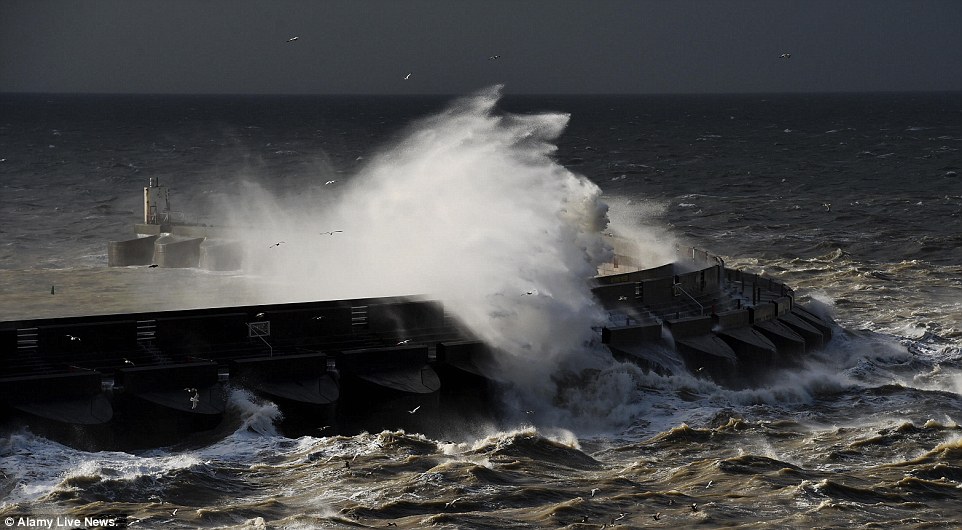
Britain faced an intense onslaught of winds reaching up to 100 miles per hour overnight as a powerful Atlantic low pressure system surged across the nation. This tempest unleashed some of the strongest gusts seen in recent memory, severely impacting daily life from the rugged mountains of Snowdonia to urban centres in London.
What Happened: A Storm Sweeps the Nation
The storm’s fiercest winds struck key locations including Capel Curig in Snowdonia, renowned for its mountainous terrain, High Bradfield in South Yorkshire, and Weybourne in North Norfolk. These areas recorded the highest gusts, with wind speeds peaking at a staggering 100mph. Other parts of the country were also battered by strong winds, such as Liscombe in Somerset, Avonmouth near Bristol, and Northolt in north west London, where gusts exceeded 65mph.
The destructive force of the wind brought down trees and debris, forcing the closure of multiple roads and causing significant disruptions to public transport networks nationwide. Rail services suffered delays and cancellations as fallen trees blocked tracks, and bus routes had to be diverted or temporarily suspended for safety reasons.
Air travel was not spared either. Passengers at airports, particularly in northern England, faced challenging conditions as pilots struggled to land aircraft safely amid the fierce gusts. The storm’s timing coincided with the Easter holidays, compounding travel woes as many sought to make the most of the break.
Pedestrians endured the full force of the gale, with some struggling to maintain their footing. One notable incident in Bradford, West Yorkshire, involved a woman who was literally blown off her feet while running errands, highlighting the severity of the winds beyond infrastructure damage.
__IMAGE_PLACEHOLDER_1__
Why It Matters: Impact on Communities and Infrastructure
The storm’s impact extended far beyond mere inconvenience. The widespread tree falls not only blocked transport routes but also posed serious risks to homes and power lines, leading to localized power outages and property damage. Emergency services were stretched thin responding to incidents caused by flying debris and hazardous conditions on the roads.
The Met Office issued a severe weather warning for the entire United Kingdom, signaling the seriousness of the situation. This alert remained active as the low pressure system continued its eastward progression, bringing persistent rain and gusty winds to most regions. The prolonged nature of the storm meant that recovery and clean-up efforts were ongoing throughout the day.
Such powerful storms are not uncommon in Britain’s maritime climate, which is influenced heavily by Atlantic weather systems. However, winds reaching 100mph represent extreme events that test the resilience of infrastructure and emergency preparedness. Coastal and upland areas, like Snowdonia, are particularly vulnerable due to topography that can funnel and accelerate winds, increasing their destructive potential.
__IMAGE_PLACEHOLDER_2__
What Comes Next: Forecast and Future Outlook
Forecasters have indicated that the unsettled weather pattern will persist until at least Thursday. The relentless combination of wind and rain is expected to continue battering the country, keeping travel disruptions and safety risks high. The Met Office advises people to remain cautious, especially when outdoors or traveling during peak gust periods.
However, there is a silver lining. The outlook for the upcoming Easter weekend suggests a shift toward “finer and drier” weather conditions. This forecast will come as a relief to millions hoping to enjoy the holiday with less interference from severe weather. Still, the storm serves as a reminder of Britain’s exposure to Atlantic storms, particularly in the transitional seasons when low pressure systems are most active.
__IMAGE_PLACEHOLDER_3__
Why It Matters: The Broader Significance
Storms like this highlight the ongoing challenges posed by Britain’s geographic and climatic setting. The country’s proximity to the Atlantic Ocean subjects it to frequent changes in weather, with powerful storms becoming increasingly notable in public consciousness. These events test the robustness of infrastructure, from transport networks to utility services, and emphasize the need for continued investment in resilience and emergency planning.
Additionally, such extreme weather incidents raise broader questions about climate variability and long-term trends. While individual storms cannot be directly attributed to climate change without detailed analysis, the frequency and intensity of storms are key indicators monitored by scientists globally.
For everyday citizens, understanding the risks and staying informed through weather warnings is critical during these periods. The recent storm underscores the importance of preparedness, whether that means securing property, planning travel carefully, or simply remaining vigilant when outdoors.
Takeaway
Britain’s encounter with winds reaching 100mph from a potent Atlantic low pressure system serves as a stark example of the power of natural forces shaping daily life. From widespread transport disruption to the raw experience of battling gale-force winds on the street, the storm disrupted routines and challenged communities across the country. While calmer weather appears on the horizon, the episode underscores the enduring need for resilience, preparedness, and respect for the forces of nature that influence Britain’s climate and environment.