

Nobby Stiles, the celebrated England footballer who lifted the World Cup in 1966, passed away with a debilitating brain condition directly attributed to his career-long habit of heading the ball, a coroner has officially confirmed. This ruling sheds new light on the long-term health risks faced by professional footballers, particularly those exposed to repetitive head impacts.
The Life and Legacy of Nobby Stiles
Born in 1942, Nobby Stiles was a key figure in England’s most iconic football triumph. As a tenacious defensive midfielder, Stiles’ relentless energy and tactical intelligence helped England secure their only World Cup victory to date. Known for his rugged style and fearless play, he was admired both on and off the pitch.
After retiring from professional football, Stiles continued to be a beloved figure among fans and fellow players. However, in his later years, he suffered from significant neurological decline that puzzled his family and medical professionals alike.
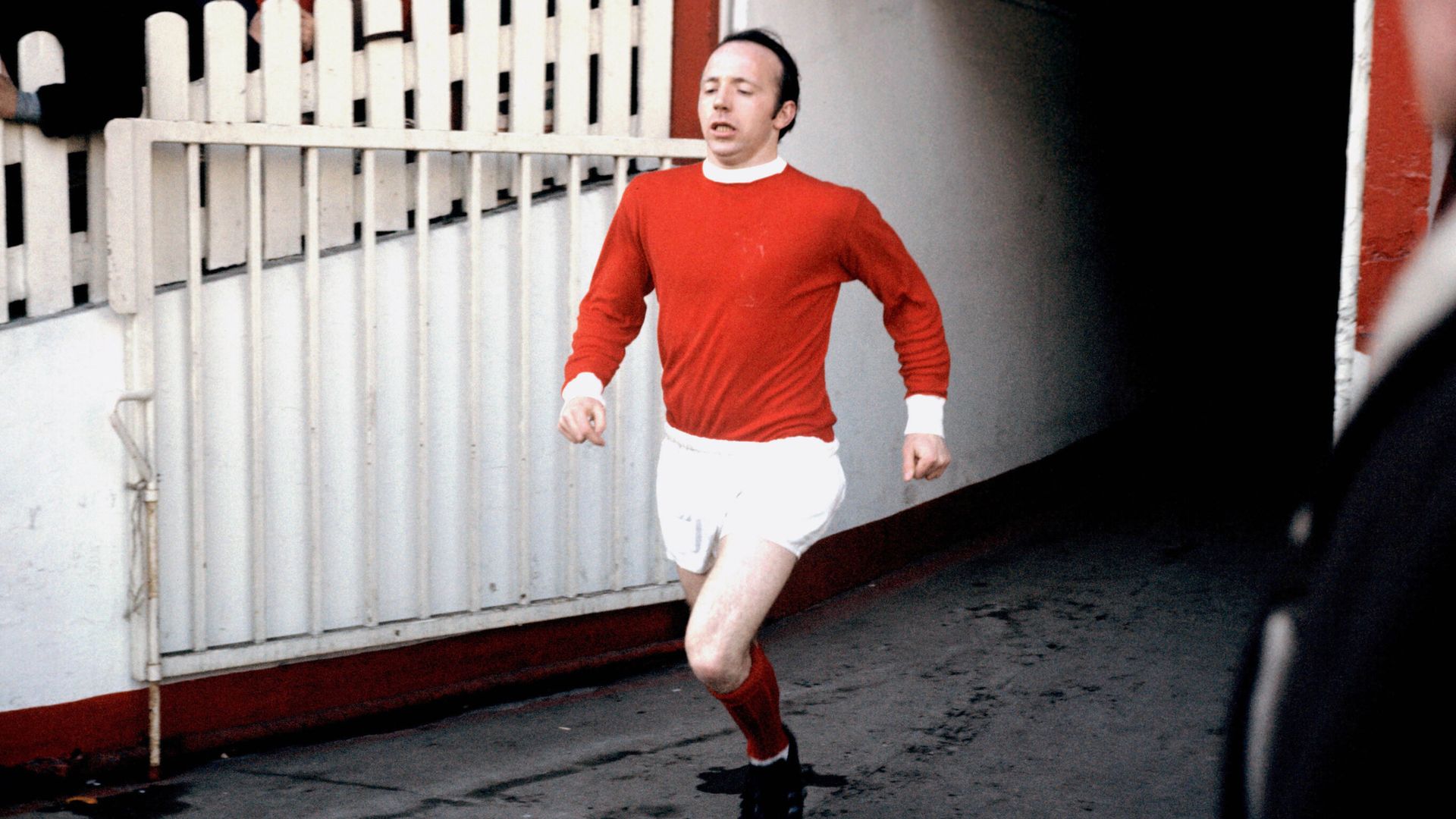
Coroner’s Verdict Links Brain Condition to Heading Footballs
Following a thorough investigation into Stiles’ death, the coroner concluded that the former player’s brain condition stemmed from repeated blows to the head sustained by heading footballs throughout his career. This diagnosis aligns with a growing body of evidence connecting repetitive head trauma in sports to chronic traumatic encephalopathy (CTE) and other neurodegenerative diseases.
This ruling is one of the first official acknowledgments linking professional football to long-term brain health issues, highlighting the risks associated with a game once considered relatively safe from such concerns. The verdict also reignites debates about the safety protocols surrounding heading in football, especially at the youth and amateur levels.
Why This Matters: Football’s Hidden Health Crisis
Stiles’ case underscores a critical issue facing the sport worldwide. While football’s global popularity continues to soar, the health of players—especially regarding brain injuries—has emerged as a pressing concern. Heading the ball, a fundamental skill taught from a young age, is now under scrutiny for its potential to cause irreversible brain damage.
Medical experts warn that repetitive, sub-concussive impacts can accumulate over time, leading to symptoms such as memory loss, mood disorders, and cognitive decline. This revelation has prompted football associations and governing bodies to reevaluate training methods, implement stricter concussion protocols, and consider limiting or banning heading drills for children.
Moreover, Stiles’ diagnosis adds urgency to ongoing research into protective measures and early detection of sports-related brain injuries. It serves as a somber reminder that the glory of the game can come at a serious cost to athletes’ long-term well-being.
Looking Ahead: Protecting Future Generations of Footballers
The coroner’s ruling in Nobby Stiles’ case is a watershed moment for football’s approach to player safety. Clubs, coaches, and governing organizations face increasing pressure to prioritize neurological health, balancing the sport’s traditions with modern scientific understanding.
Efforts are underway to develop better protective equipment and to educate players about the risks of repetitive head injuries. Some leagues have introduced limits on heading during training, while others are funding studies to explore safer alternatives.
For fans and players alike, the hope is that lessons learned from the experiences of icons like Stiles will drive meaningful change. Ensuring that football remains a sport that inspires and excites must go hand in hand with safeguarding the health of those who play it.
In summary, Nobby Stiles’ death has brought critical attention to the dangers of heading in football, revealing a hidden health crisis within the sport. As the football community grapples with these findings, the future may see significant reforms aimed at protecting players from similar fates.