

The UK government has announced plans to prohibit both imports and exports involving goods and services linked to Israeli settlements deemed illegal under international law. This decisive move, confirmed by the Trade Minister on Wednesday morning, signals a significant shift in the UK’s trade policy and its stance on the Israeli-Palestinian conflict.
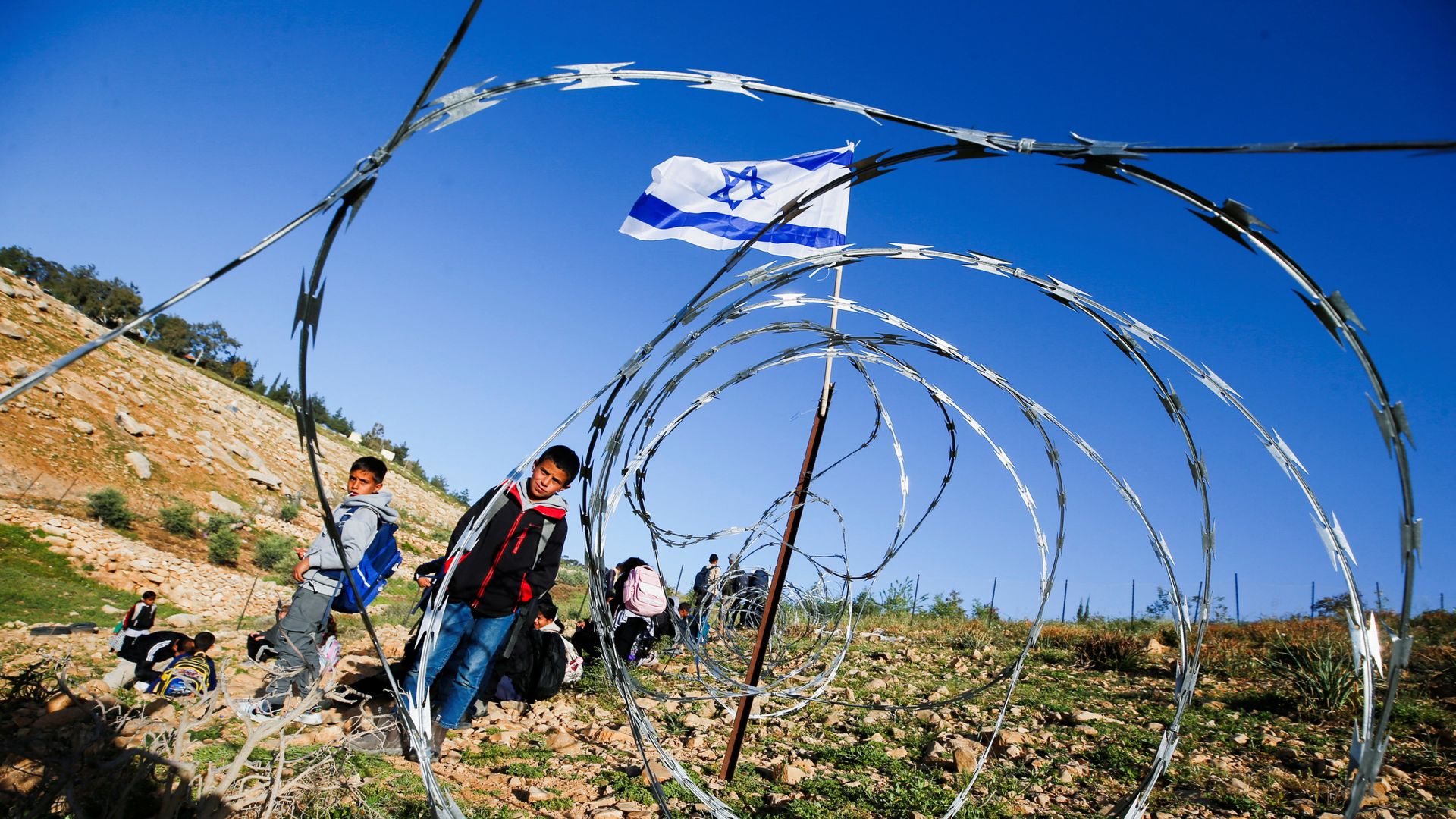
What Is the UK’s Proposed Ban on Settlements Trade?
The proposed legislation aims to ban the import of products originating from Israeli settlements in the West Bank, East Jerusalem, and the Golan Heights, areas widely regarded by the international community as occupied territories. Simultaneously, it seeks to restrict UK-based companies and exporters from supplying goods and services to these settlements.
Israeli settlements are communities established by Israel on lands captured during the 1967 Six-Day War. The international community, including the United Nations and the European Union, generally considers these settlements illegal under the Fourth Geneva Convention, which prohibits an occupying power from transferring its civilian population into occupied territory.
By enforcing this ban, the UK intends to align its trade practices with international legal standards and human rights considerations. The government emphasizes that this move does not affect trade relations with Israel proper but specifically targets the settlements, which have been a source of ongoing dispute in the Israeli-Palestinian peace process.
Why the UK Is Taking This Stand Now
This development follows growing global criticism of Israeli settlement expansion and its impact on peace negotiations. The UK government has faced mounting pressure from human rights organizations, international allies, and domestic voices urging a firmer position against activities that undermine prospects for a two-state solution.
Trade Minister’s confirmation of the ban reflects the UK’s commitment to upholding international law and promoting ethical trade. It also responds to concerns about the economic benefits that settlements gain from international markets, which critics argue perpetuate the cycle of occupation and conflict.
Moreover, this policy change aligns the UK with other European countries taking similar measures. Some EU member states have already imposed restrictions or labeling requirements on settlement products to inform consumers and discourage support for settlement economies.
Implications for Trade and Diplomatic Relations
The ban could have significant consequences for businesses engaged in trade with the region. UK importers will need to conduct due diligence to ensure their supply chains do not involve settlement goods, while exporters will have to reconsider any commercial ties to settlements. This could affect sectors such as agriculture, construction, and technology, where settlement activity is prominent.
From a diplomatic perspective, the UK’s move may strain relations with Israel, which views settlement activity as a legitimate exercise of sovereignty and security. However, the UK government frames the ban as a principled stance rather than an adversarial act, emphasizing its support for a negotiated peace settlement.
Critics of the policy might argue it could hinder dialogue or economic cooperation, but supporters highlight the moral imperative to avoid complicity in activities deemed illegal and harmful to peace efforts.
What This Means for the Future
The UK’s decision to ban trade with Israeli settlements marks a pivotal moment in international responses to the Israeli-Palestinian conflict. It underscores the growing importance of ethical trade policies that reflect legal and human rights standards.
For consumers, this ban could increase awareness about the origins of products and the broader geopolitical issues involved. For businesses, it presents both challenges and opportunities to innovate supply chain transparency and align with global ethical practices.
Ultimately, the UK’s stance could influence other nations to adopt similar measures, potentially reshaping international trade dynamics related to contested territories worldwide.
As the policy advances through legislative processes, stakeholders across political, commercial, and civil society spheres will closely monitor its implementation and impact. This development highlights the complex intersection of trade, law, and human rights in one of the world’s most enduring conflicts.