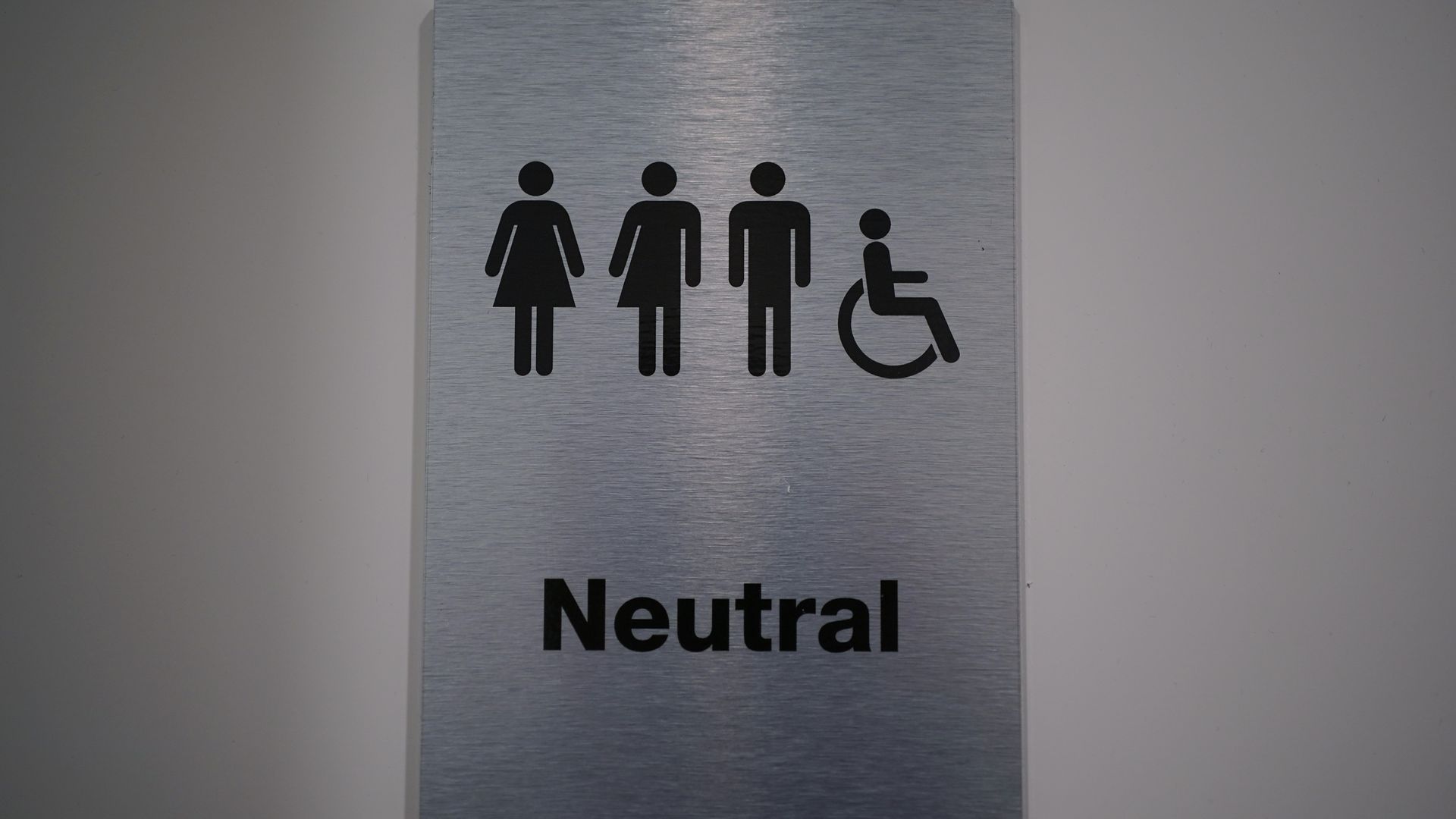
A significant shift in England’s public restroom policies is set to take effect this May, as new regulations will mandate the inclusion of single-sex toilets in newly constructed restaurants, offices, and shopping centers. This move aims to address growing concerns around safety, privacy, and dignity in public spaces.
The New Legal Requirement for Single-Sex Toilets
From May 6, 2024, all new commercial developments—ranging from office buildings to retail complexes and dining establishments—will be required by law to provide designated single-sex toilet facilities. This marks a departure from the increasing trend toward gender-neutral restrooms in recent years.
The decision comes after extensive consultations and mounting public discourse regarding the balance between inclusivity and personal safety in public restrooms. Government ministers emphasize that the new rules are designed to “alleviate safety, privacy, and dignity concerns” for all users, particularly women and vulnerable individuals.
This change will impact architects, developers, and business owners, who must now incorporate separate male and female toilets into their building designs to comply with the updated standards. Failure to adhere to the new regulations could result in legal repercussions and delays in project approvals.
Background: The Debate Over Public Restroom Design
In recent years, many public and private venues across the UK have shifted toward gender-neutral or unisex toilet facilities to foster inclusivity for transgender and non-binary individuals. While this approach has been widely praised for its progressive stance, it has also sparked debate concerning privacy and safety.
Critics argue that gender-neutral toilets can sometimes compromise personal security, especially for women and children, due to the mixed-gender nature of the facilities. Advocates for single-sex toilets stress that these spaces provide a crucial sense of security and comfort that cannot be replicated in gender-neutral settings.
The government’s new mandate attempts to strike a balance, offering single-sex facilities while still encouraging venues to consider additional inclusive measures. This dual approach acknowledges the diverse needs of the public while reaffirming the importance of safe and private restroom access.
Why This Change Matters for Public Safety and Privacy
Public restrooms are more than just functional spaces—they are intimately linked to individuals’ sense of safety, privacy, and dignity. The new requirement for single-sex toilets reflects an effort to restore confidence among users who may have felt vulnerable or uncomfortable in gender-neutral environments.
Safety concerns often center around the potential for harassment or misuse of facilities, which single-sex toilets can help mitigate by limiting access according to biological sex. Privacy is equally important, especially for those who value separate spaces to change clothes or attend to personal hygiene without fear of intrusion.
Furthermore, this policy update aligns with broader societal discussions about the need to respect and accommodate a wide range of identities while ensuring the physical security of all individuals in public spaces.
What This Means for Businesses and the Public
Businesses and property developers now face the challenge of adapting their designs and operational plans to comply with the new legislation. This may involve reconfiguring floor plans, increasing construction costs, and reassessing restroom capacity to accommodate separate facilities.
For the public, the change promises enhanced comfort and reassurance when visiting new venues. It also signals a recognition by policymakers of the complexity involved in balancing inclusivity with safety.
As England moves forward with these changes, it remains to be seen how the policy will influence future restroom design and public attitudes toward gender and privacy in shared spaces.
Looking Ahead
With the May 2024 deadline approaching, the new single-sex toilet requirements represent a pivotal moment in public facility design. The policy aims to provide safer, more private environments in England’s newest public venues while continuing to respect the diverse needs of all citizens.
Ultimately, the success of this initiative will depend on thoughtful implementation and ongoing dialogue among policymakers, businesses, and the communities they serve.