The long-anticipated final report on the tragic Air India Boeing 787 crash is set to miss the critical one-year deadline this Friday, insiders reveal. Authorities have yet to conclude a comprehensive analysis of the aircraft’s engine, which remains a pivotal factor in the investigation.
What Happened: The Air India Boeing 787 Crash
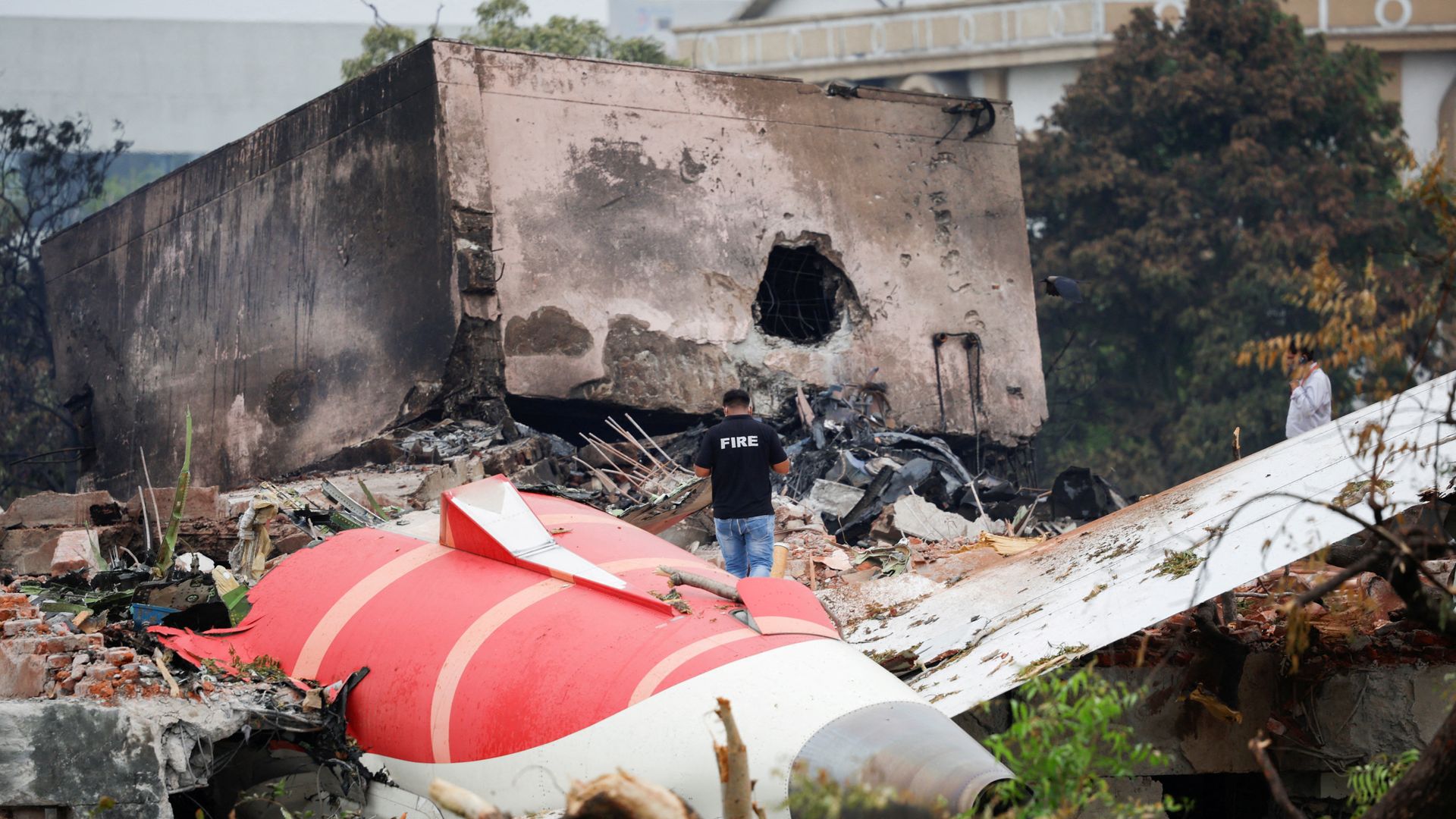
In the wake of the fatal crash involving an Air India Boeing 787, investigators launched an extensive probe to determine the root causes. The accident, which claimed lives and raised urgent safety questions, prompted aviation experts and regulators to scrutinize every aspect of the aircraft’s operation. Understanding the technical failures or operational errors behind the incident is essential to prevent future tragedies.
At the center of this investigation lies the aircraft’s engine, a critical component whose malfunction or failure could have contributed significantly to the crash. Aviation authorities have deployed advanced forensic techniques to dissect the engine’s performance data, physical condition, and maintenance history. This level of technical scrutiny is necessary for an authoritative and actionable final report.
Why the Delay: Unfinished Engine Analysis Holds Up the Report
Sources close to the investigation confirm that the final findings will not be ready by the one-year mark due to unfinished engine examination. The complexity of modern aircraft engines, particularly those on Boeing 787 Dreamliners, demands meticulous and time-consuming analysis. Investigators must replicate operational conditions, analyze forensic evidence from recovered engine parts, and interpret black box data to build a complete picture.
This delay underscores the challenges faced by aviation accident investigators today. Engine components operate under extreme conditions, and subtle failures can be difficult to detect without extensive testing. Moreover, the need to coordinate with aircraft manufacturers, engine makers, and international aviation authorities adds layers of complexity and bureaucracy.
What This Means: Implications for Aviation Safety and Industry Transparency
The postponement of the crash report sends a clear message about the rigorous standards required to ensure aviation safety. While the delay may frustrate families of victims, industry stakeholders, and the general public, it reflects a commitment to a thorough and scientifically sound investigation rather than a rushed or incomplete one.
For Air India and the global aviation community, the findings will be critical in shaping future safety protocols, maintenance schedules, and pilot training programs. Identifying whether the engine failure resulted from design flaws, manufacturing defects, maintenance lapses, or operational errors will guide corrective actions. These insights are vital for restoring public confidence in air travel and preventing similar accidents.
The delay also highlights the importance of transparency and communication during such investigations. Authorities must balance the need for confidentiality with public demand for information, ensuring the investigation proceeds without compromising sensitive data or legal processes.
Looking Ahead: When Can We Expect the Final Report?
While no official new timeline has been announced, industry experts anticipate that the report will be published as soon as the engine analysis concludes. This could extend weeks or months beyond the original one-year anniversary, depending on the complexity of the findings. In the interim, investigators continue to piece together evidence from the crash site, flight data recorders, and maintenance records.
The completion of the report will mark a significant milestone in the investigation, providing definitive answers and actionable recommendations. Until then, aviation authorities worldwide will monitor the situation closely, applying any preliminary lessons learned to enhance flight safety standards.
Takeaway: The Path to Safer Skies Requires Patience and Precision
The delay in releasing the Air India Boeing 787 crash report highlights the intricate and painstaking nature of modern aviation investigations. While disappointing to those awaiting closure, the extended timeline ensures that conclusions are based on comprehensive evidence, particularly from the aircraft’s engine analysis. This careful approach ultimately serves the broader goal of advancing aviation safety, protecting passengers, and honoring the memory of those lost.