

Angela Rayner has reignited her presence in frontline politics amid intensifying challenges facing the Labour Party ahead of the critical May elections. Her recent speeches and strategic moves signal a determined return, as her allies grow increasingly confident that outstanding tax issues clouding her reputation will be resolved in time for her full comeback.
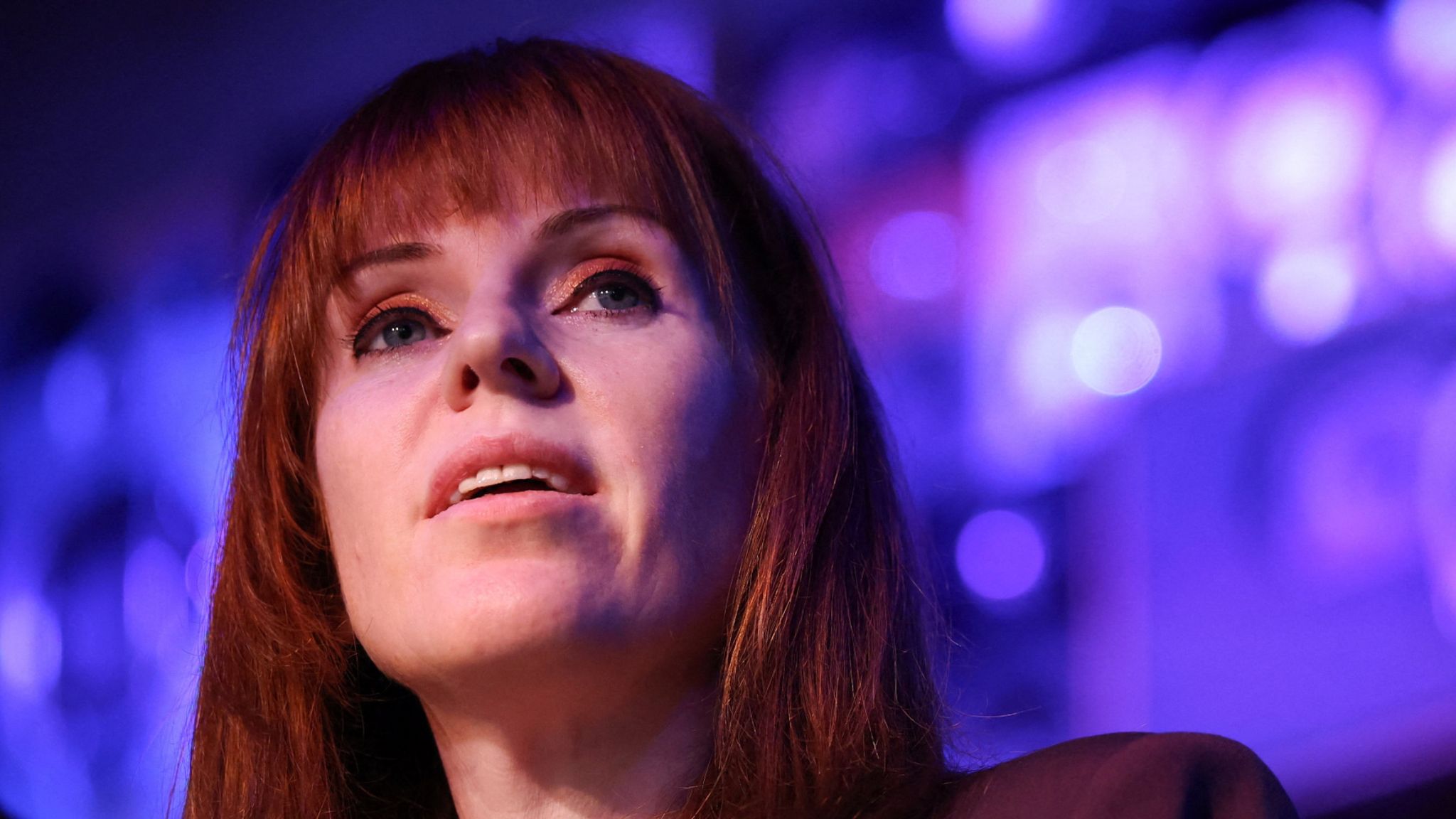
Rayner’s Tax Controversy and Political Hiatus
Rayner’s political resurgence follows a turbulent period after she was forced to resign from her position as deputy leader in September. The resignation came in the wake of revelations that she had underpaid stamp duty by approximately £40,000 on a second home purchase in Hove. This breach of the ministerial code sparked a damaging scandal that jeopardized her standing within the party.
At the time, Rayner acknowledged the error but maintained that she initially believed, based on legal advice, that the payment was correct. The complexity arose from transferring her stake in the family home into a trust for her disabled son following her divorce in 2023. However, a subsequent investigation reaffirmed that her property was classified as a second home, necessitating higher stamp duty payments.
Since then, Rayner has engaged legal counsel to negotiate with HM Revenue & Customs (HMRC) and is reportedly close to settling the matter. To generate funds for the owed stamp duty and any potential fines, she has taken on speaking engagements and is working on an autobiography. Sources suggest her anticipated earnings could exceed £100,000, sufficient to cover her liabilities.
Reasserting Leadership and Rallying Labour MPs
Despite her absence from the political spotlight for several months, Rayner’s recent activities underscore a strategic effort to reclaim influence within Labour. She has emerged as a vocal critic of the government’s policy direction, particularly denouncing proposed immigration reforms that many within the party view as divisive and “un-British.”
At Labour’s centre-left campaign group Mainstream’s spring reception, Rayner delivered a forceful message to MPs, urging them to embrace Labour’s core values unapologetically. She criticized the party’s perceived drift toward the status quo under Keir Starmer and warned against complacency following Labour’s recent by-election setbacks, including losses to the Greens in Gorton and Denton.
“We are running out of time,” Rayner declared, stressing that Labour must boldly represent working people and uphold the manifesto’s promises. Her rhetoric highlights a growing impatience within the party ranks and reflects broader concerns about Labour’s electoral prospects as the May polls approach.
Leadership Prospects and Internal Party Dynamics
Rayner’s resurgence has fueled speculation about her potential to challenge Starmer’s leadership, particularly if Labour suffers a poor showing in May. While she has not actively sought to undermine the prime minister, allies acknowledge she would consider entering a leadership contest if prompted by party members.
One insider noted that a disastrous election result could lead to a significant faction—possibly 81 MPs—calling for Starmer’s resignation. Rayner would weigh the political and personal implications carefully before deciding to run, but the prospect remains a key talking point within Labour circles.
Amid these developments, Rayner has also sought to reassure City investors and financial stakeholders. In a call hosted by BNP Paribas, she emphasized Labour’s commitment to Chancellor Rachel Reeves’s fiscal rules, affirming that the party would avoid excessive borrowing or a leftward shift that might unsettle markets. This strategic positioning aims to balance progressive ambitions with economic stability, a message designed to restore confidence among investors wary of political uncertainty.
Wider Party Challenges and the Road Ahead
Rayner’s renewed activism coincides with mounting unease within Labour about the party’s direction and leadership. Scottish Labour leader Anas Sarwar publicly called for Starmer’s resignation in February, a rare and bold move that reflects deep fractures. While Rayner supported the prime minister at that time, friends suggest her loyalty could waver if Labour’s fortunes continue to decline.
Labour’s electoral challenges are multifaceted. In Scotland, the party trails behind the SNP and Reform UK in recent polls, jeopardizing gains made in the 2024 general election when Labour secured 37 seats from the SNP. In Wales, polling indicates Labour risks losing control of the Senedd for the first time in 26 years, as Plaid Cymru gains traction. In London and across English councils, emerging green and Reform UK waves threaten Labour’s traditional strongholds.
These setbacks underscore the urgency in Rayner’s message: Labour must act decisively or face further erosion of support. The May elections represent a pivotal moment to either halt the decline or deepen the party’s crisis.
What This Means for Labour’s Future
Angela Rayner’s return to the political frontline symbolizes a critical juncture for the Labour Party. Her ability to resolve her tax dispute will remove a significant personal obstacle, allowing her to focus entirely on revitalizing the party’s mission and appeal.
Her vocal stance against unpopular policies and her call for Labour to reconnect with working-class voters signal a push for a sharper, more values-driven platform. However, the party remains divided on leadership and strategy, with May’s election results likely to be a decisive factor.
In this environment of uncertainty, Rayner represents both continuity and potential change—a figure poised to shape Labour’s direction amid mounting pressure. The coming months will test not only her political resilience but also Labour’s capacity to regain public trust and deliver a compelling alternative to the status quo.