

The UK’s construction sector is ringing alarm bells over a mounting crisis in housebuilding, describing the situation as “a present-day emergency” that demands immediate government intervention. Industry leaders warn that without swift and decisive support, the fragile momentum in housing development risks stalling, exacerbating the country’s longstanding housing shortage.
Why the Construction Sector Is Under Pressure
Housebuilding in the UK has faced numerous challenges in recent years, from supply chain disruptions to soaring material costs and labour shortages. These factors have collectively slowed the pace of new homes hitting the market, even as demand for affordable and quality housing continues to rise sharply.
Construction leaders now emphasize that the sector’s difficulties have escalated into a critical state. They argue that existing policies and funding are insufficient to sustain the level of housebuilding necessary to meet the country’s housing needs. Without targeted government support, many planned developments risk delay or cancellation, which could have severe social and economic consequences.
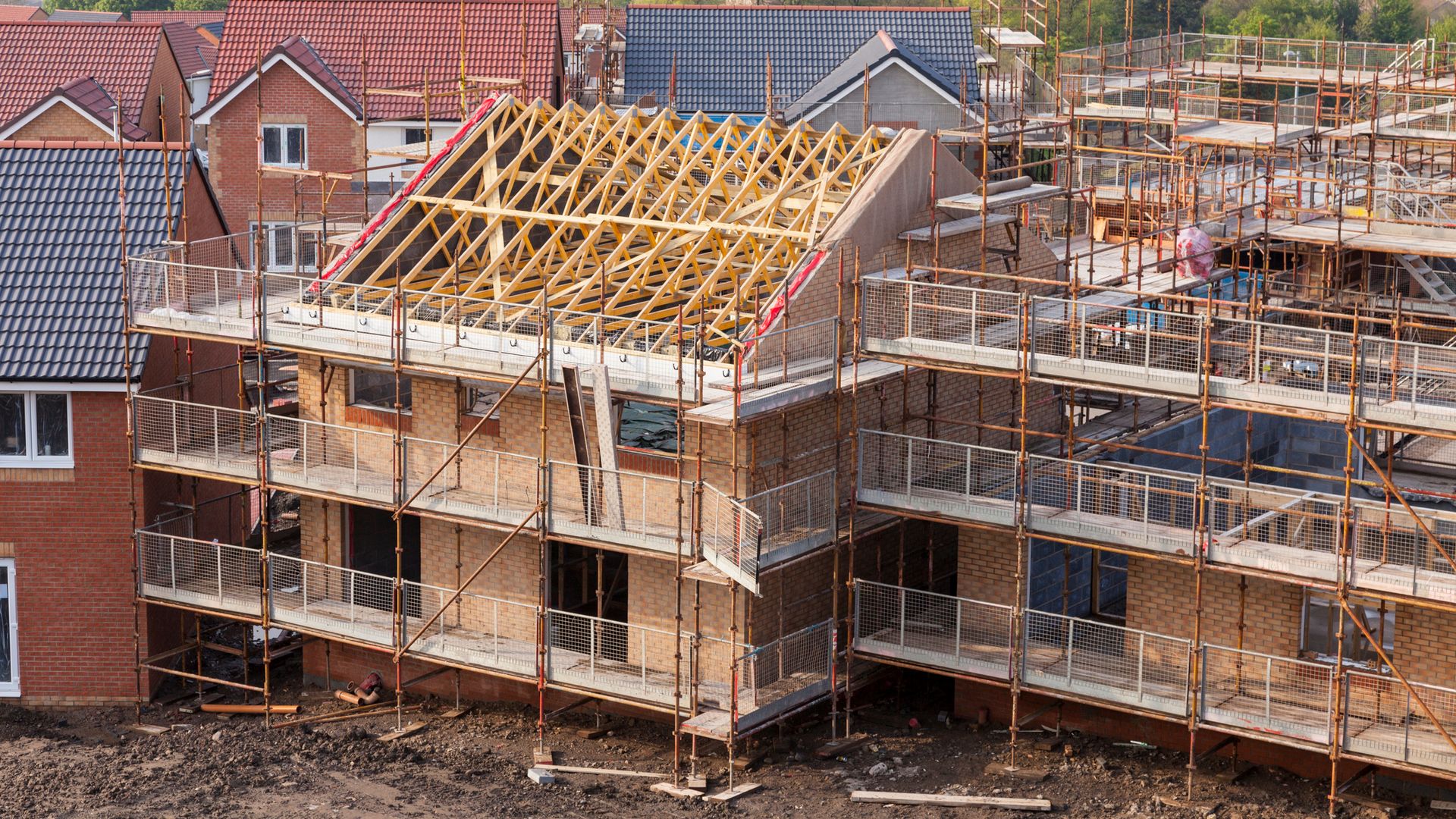
This emergency stems not only from economic headwinds but also from a policy environment that industry experts believe needs urgent reform. Streamlining planning permissions, investing in infrastructure, and providing financial incentives to developers are among the key measures advocated to revive housebuilding activity.
The Broader Impact on Communities and the Economy
The slowdown in housebuilding affects more than just the construction sector—it has ripple effects across communities and the national economy. A shortage of new homes drives up property prices and rents, placing homeownership further out of reach for many families. This housing affordability crisis contributes to social inequality and limits economic mobility.
Moreover, the construction industry is a significant employer and economic driver. A downturn in housebuilding threatens thousands of jobs and undermines growth prospects in related sectors such as manufacturing, retail, and professional services.
Experts stress that boosting housebuilding can help alleviate these pressures by increasing housing supply, stabilizing prices, and creating employment opportunities. This, in turn, supports broader government goals around economic recovery and social welfare.
What Government Action Is Needed?
Industry leaders are calling on the government to implement policies that directly stimulate housebuilding. Key recommendations include:
- Reforming planning regulations: Simplifying and speeding up planning approvals to reduce delays and uncertainty for developers.
- Financial incentives: Offering grants, tax relief, or low-interest loans to encourage private investment in residential construction.
- Infrastructure investment: Enhancing transport, utilities, and community facilities to support new housing developments.
- Addressing labour shortages: Investing in skills training and attracting workers to the construction sector to meet demand.
Such measures aim to create a more supportive environment for builders and developers, enabling them to deliver the housing the nation urgently requires.
Looking Ahead: Why This Matters
The call for urgent government support highlights a pivotal moment for the UK’s housing market and construction industry. Failure to act risks prolonging the housing crisis, with widespread consequences for families, communities, and the economy.
Conversely, a robust policy response could revitalize housebuilding, improve housing affordability, and generate significant economic benefits. It would also demonstrate a commitment to addressing one of the most pressing social challenges facing the country.
As construction leaders continue to press for action, the government faces growing pressure to prioritize housebuilding in its policy agenda. The outcome will shape the future of housing availability and economic stability for years to come.
Full details on the government’s response and specific initiatives are awaited, but the urgency of the situation remains clear: housebuilding must be supported now to avert a deepening crisis.