

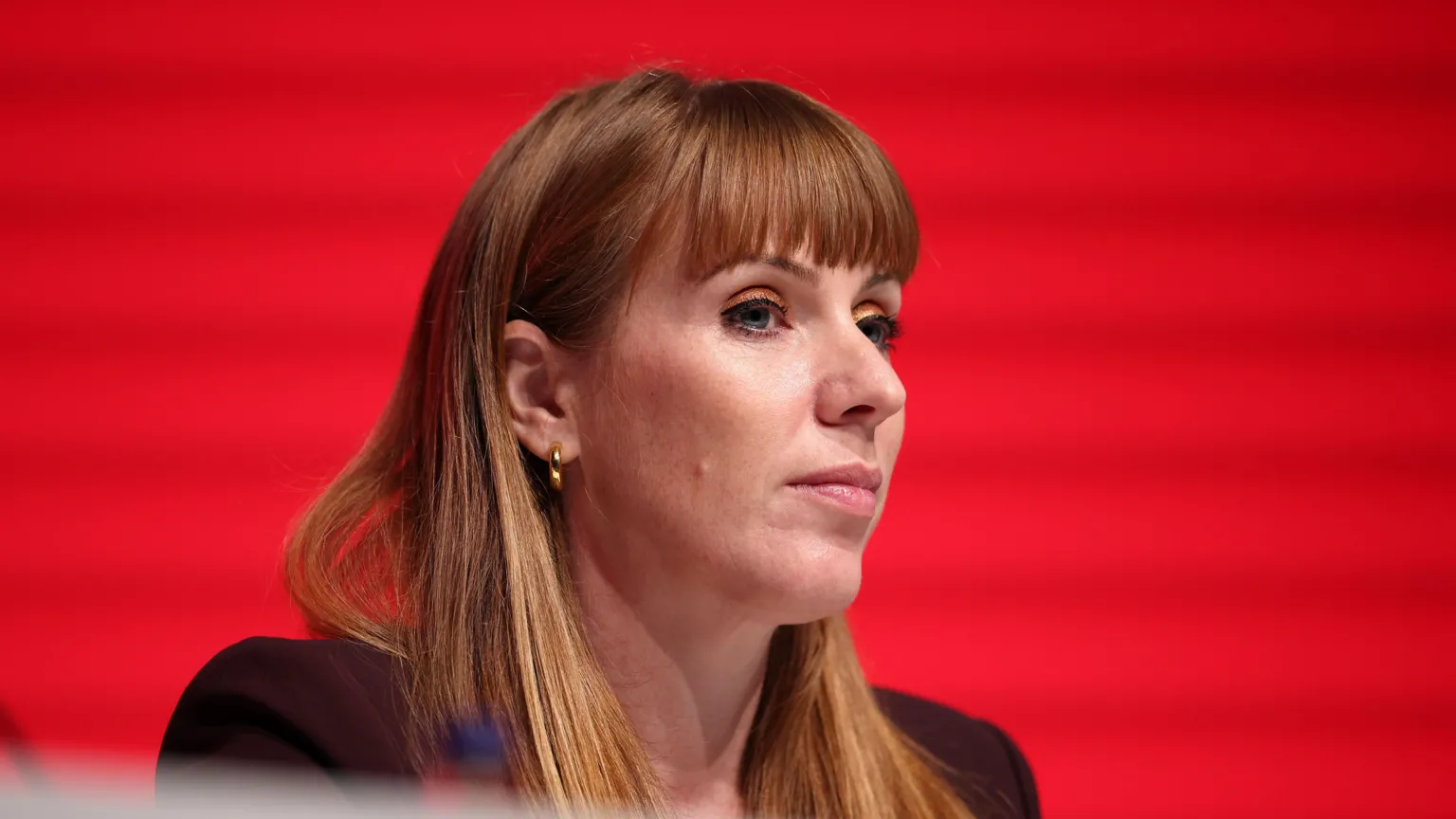
Angela Rayner, Deputy Leader of the Labour Party, has issued a forceful warning against the UK government’s proposed immigration reforms, describing them as “un-British” and a “breach of trust” for migrants already living in the country. Her remarks come amid plans to drastically increase the time migrant workers and refugees must wait before qualifying for permanent settlement in the UK.
What Are the Proposed Immigration Changes?
The government, led by Home Secretary Shabana Mahmood, plans to extend the qualifying period for indefinite leave to remain—also known as permanent settlement—from five years to ten years for most migrant workers. For refugees, the waiting period could stretch up to 20 years. These reforms aim to tighten immigration controls and reduce what the government describes as a “drain on public finances.”
Indefinite leave to remain grants individuals the right to live, work, and study in the UK indefinitely, as well as access to certain benefits if eligible. The Home Office’s statistics reveal that net migration—the difference between arrivals and departures—has increased the UK population by approximately 2.6 million from 2021 to 2024. Projections suggest up to 1.6 million people might seek settlement between 2026 and 2030.
Despite these figures, the government insists the reforms are necessary for sustainable immigration management. Mahmood has defended the changes by asserting that settlement is a “privilege, not a right,” and that five years is already a short period to qualify for permanent residency.
Rayner’s Stark Critique and Labour Party Implications
Speaking at an event hosted by the Mainstream group—a centre-left organisation linked to Labour—Rayner criticized the government’s approach, warning that migrants currently in the system “fear for their future” as the government appears to be “moving the goalposts.” She emphasized that changing the rules midway undermines the trust and fair play that define British values.
Rayner’s speech, one of her most significant public interventions, also touched on the broader challenges facing the Labour Party. She warned that the party’s survival is at stake unless it offers genuine solutions and reconnects with working people, rather than being seen as representing the establishment. Her remarks have sparked speculation about potential leadership challenges within Labour, positioning herself as a force pushing for change.
Rayner said, “We cannot talk about earning a settlement if we keep moving the goalposts. Because moving the goalposts undermines our sense of fair play. It’s un-British.” She called for immigration rules that are economically sustainable but also uphold the core British values expected of all residents.

Reactions Within Labour and Government
Some Labour MPs have voiced concerns about the immigration proposals. Meanwhile, the government has not fully committed to implementing the ten-year settlement rule, indicating that public consultation responses will be carefully considered before finalizing policy. The Prime Minister’s press secretary declined to confirm the government’s stance outright, emphasizing a commitment to rewarding those who contribute economically with faster settlement routes.
Within Labour, Cabinet Office Minister Nick Thomas-Symonds acknowledged a shared impatience for reform across government but reaffirmed Sir Keir Starmer’s leadership. Greater Manchester Mayor Andy Burnham expressed understanding of Rayner’s concerns and highlighted the need for more effective government communication on immigration issues. Burnham also pointed to recent fiscal policy shifts as signs of broader change within the party’s approach.
Why These Reforms Matter
The proposed immigration reforms carry significant implications for millions of migrants living in the UK. Extending the settlement period could create prolonged uncertainty and instability for those contributing to the economy and society. The shift also raises ethical questions about the UK’s commitment to fairness, integration, and its historical identity as a welcoming nation.
Furthermore, Rayner’s remarks highlight growing tensions within the Labour Party about how best to engage with voters on immigration and economic issues. With the party facing electoral pressures, especially after recent by-election setbacks, the debate over immigration policy symbolizes a broader struggle over Labour’s future direction and leadership.
From the government’s perspective, controlling immigration is framed as essential to managing public services and finances. However, critics argue that overly restrictive policies risk alienating communities and undermining the UK’s economic vitality, which relies heavily on migrant labor in key sectors.
Looking Ahead: What Comes Next?
The UK government’s consultation on immigration changes remains open, and the final policy decisions will likely reflect a balance between fiscal considerations and public sentiment. The outcome will significantly impact migrants’ lives, the political landscape, and the broader debate over what it means to be British in an era of global mobility.
Angela Rayner’s outspoken intervention signals that immigration will remain a contentious issue within UK politics. It also underscores the urgency for the Labour Party to articulate a clear, values-driven vision that resonates with both migrants and native-born citizens alike.
As the government weighs its next steps, the country faces a pivotal moment: whether to uphold inclusive, fair migration policies or to adopt a more restrictive framework that challenges long-standing notions of fairness and belonging.
Full details of the government’s final immigration reform plans have yet to be released.