

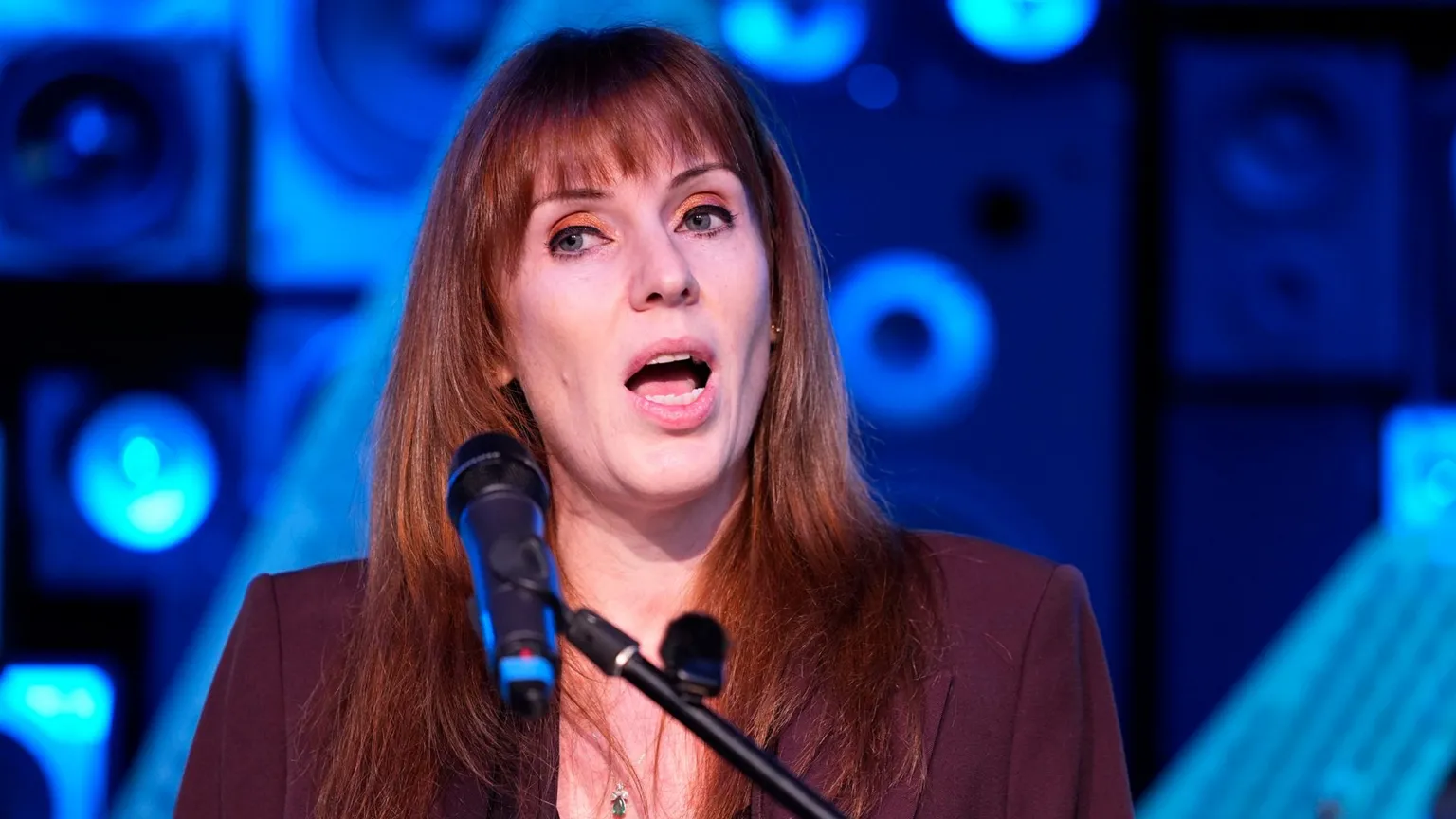
Angela Rayner delivered a striking and uncompromising speech to Labour activists that has reignited intense speculation about her ambitions within the party leadership. In a packed room at a Westminster pub, the former deputy prime minister unleashed a sharply worded critique of the current leadership, stopping short of naming Sir Keir Starmer but making her frustrations unmistakably clear.
A Bold Critique of Labour’s Direction
Rayner’s 1,500-word address was a vivid expression of dissatisfaction with what she perceives as Labour’s lackluster performance since winning a landslide general election less than two years ago. Her speech wasn’t just a critique; it outlined an alternative vision for how Labour should govern, signaling a potential challenge to Starmer’s leadership.
In a powerful conclusion, Rayner warned that Labour was “running out of time.” This stark message underlines her belief that the party risks fading into irrelevance if it continues on its current path. She charged that the government has given the impression of representing “the establishment, not working people,” even suggesting it has become part of the establishment it once opposed.
She insisted that the Labour Party’s survival is at stake, emphasizing that it cannot “go through the motions in the face of decline.” Rayner’s call for boldness echoed the spirit of former Prime Minister Gordon Brown’s appeals in 2003, when he urged Labour to reclaim its “soul” by embracing more ambitious, left-wing policies. Often, such calls for boldness within Labour signal a push toward the party’s traditional working-class roots and leftist ideals.
Aligning with the Mainstream Group and Immigration Stance
Rayner spoke to members of the Mainstream group, a relatively new Labour faction closely linked to Greater Manchester Mayor Andy Burnham. The group’s mission — promoting “a popular Left with heart and vision” — implicitly critiques the current leadership’s approach.
Within the party, Mainstream faces criticism from some right-wing Labour MPs who view it as too sympathetic to the hard left factions associated with former leader Jeremy Corbyn. One MP wryly noted the irony of a faction advocating for an end to factionalism.
Significantly, Rayner publicly opposed a key government policy on immigration proposed by Home Secretary Shabana Mahmood. She rejected planned reforms to indefinite leave to remain, which allow immigrants to live, work, and access benefits indefinitely in the UK. This stance surprised several Labour MPs who privately expected Rayner to support stricter immigration controls, especially given the political fallout from high immigration levels under Boris Johnson’s tenure.
One MP remarked that Rayner’s opposition reflects widespread Parliamentary Labour Party discontent, while a government minister suggested her attack from the left is a strategic move to consolidate backing from “soft left” MPs ahead of any leadership bid.
However, the immigration changes do not require parliamentary approval, limiting opportunities for Labour to formally oppose the policy and potentially complicating any leadership challenge based on this issue.
Challenges Ahead: Leadership Ambitions and Tax Controversy
Rayner’s intervention comes amid a fragile calm in Labour’s leadership dynamics, partly due to Starmer’s handling of the war in Iran, which has earned him some approval within the parliamentary party. Yet her speech has shattered this temporary peace and thrust leadership speculation back into the spotlight.
Still, Rayner faces significant hurdles. Several Labour MPs have questioned whether she can mount a leadership campaign while her tax affairs remain unresolved. This issue, which led to her departure from the cabinet last autumn, occasionally surfaces among voters as a source of dissatisfaction with the party’s credibility and integrity.
With Prime Minister’s Questions imminent, the government declined to comment on Rayner’s speech, but political insiders expect the debate to intensify. The coming weeks will likely reveal whether Rayner is positioning herself as a serious contender to steer Labour’s future or if her remarks serve primarily as a call to action within the party’s left-wing ranks.
Why This Matters
Rayner’s speech highlights deep divisions within Labour about the party’s identity and strategy less than two years after a major electoral victory. Her warnings about Labour “running out of time” underscore concerns that the party risks alienating its core supporters if it fails to adopt a bolder, more working-class-focused agenda.
The tension between pragmatism and principle, between centrism and left-wing ideals, continues to shape Labour’s internal politics. Rayner’s critique suggests that a significant faction within the party is pushing for a return to more traditional Labour values, particularly on economic and immigration policies.
Her opposition to the government’s immigration reforms also taps into a broader national debate about border control and social cohesion, a contentious issue that could influence Labour’s electoral fortunes.
As Labour navigates these internal challenges, Rayner’s speech serves as a reminder that leadership stability is far from guaranteed. The party’s ability to reconcile these competing visions will be crucial in determining its success in government and its appeal to voters in the coming years.

In sum, Angela Rayner’s forceful address is more than a critique; it is a rallying cry that may redefine Labour’s trajectory and leadership battles ahead. How the party responds could shape British politics for years to come.