Daniel Thomas, a prominent anti-migrant activist, has entered a plea of not guilty to charges of criminal damage following accusations that he deliberately slashed the hull of a boat carrying an emergency responder in the English Channel. The incident has sparked significant attention due to its implications on migrant crossings and maritime safety in one of Europe’s busiest and most politically sensitive waterways.
Details of the Alleged Boat Slashing Incident
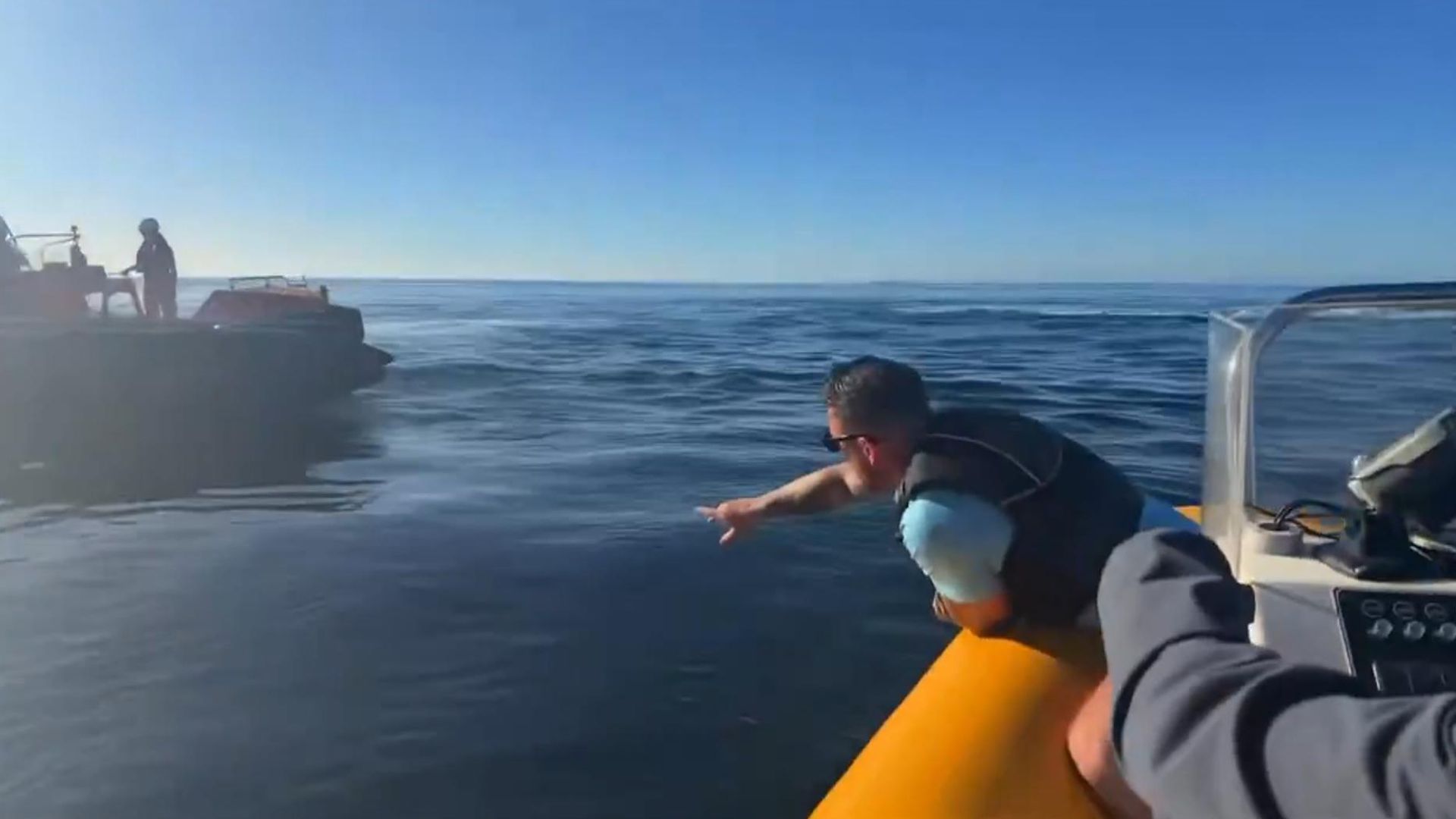
The charges against Daniel Thomas relate to an event in which a small vessel was reportedly damaged while traversing the English Channel. According to authorities, Thomas is accused of intentionally causing harm to the boat’s hull, creating a dangerous situation for those on board. Notably, the boat was carrying an emergency responder at the time, heightening concerns over the potential risk to life and safety during the incident.
This case unfolds against a backdrop of heightened tensions surrounding migrant crossings in the English Channel, where small boats frequently attempt perilous voyages from France to the United Kingdom. Activists like Thomas have been vocal in their opposition to these crossings, often engaging in direct actions to disrupt or deter migrant vessels. Critics argue that such actions endanger vulnerable individuals and complicate rescue efforts in these busy maritime routes.
Who Is Daniel Thomas and What Motivates His Activism?
Daniel Thomas, often known by the nickname “Danny Tommo,” has gained notoriety as an anti-migrant campaigner. His activism is rooted in opposing what he and like-minded groups view as uncontrolled immigration via small boats across the Channel. Supporters of Thomas argue that his actions are aimed at protecting national borders and preserving safety, while opponents contend that his tactics verge on vigilantism and risk escalating violence.
The criminal damage charge marks a significant legal moment for Thomas, placing his activism under judicial scrutiny. By pleading not guilty, he contests the allegations and signals his intention to defend his actions in court. This plea will likely lead to a detailed examination of the circumstances surrounding the boat’s damage and the motivations behind Thomas’s conduct.
Why This Case Matters: Broader Implications for Channel Crossings and Migrant Policy
The English Channel has become a focal point of political and humanitarian debate in recent years. Thousands of migrants attempt dangerous crossings, often in overcrowded and unseaworthy boats, seeking asylum or better opportunities in the UK. This has prompted a range of responses from governments, activists, and local communities, from rescue operations to militant opposition.
Incidents like the alleged boat slashing by Thomas highlight the volatile and confrontational nature of this ongoing crisis. The presence of emergency responders on the damaged vessel underscores the delicate balance between enforcement, rescue, and humanitarian concerns in these waters.
Legal proceedings against activists accused of direct action could set important precedents for how similar cases are handled in the future. They also raise questions about the limits of protest and the responsibilities of individuals who take matters into their own hands in contested spaces.
The Road Ahead: What to Expect From the Legal Process
As Daniel Thomas faces criminal damage charges, the upcoming court hearings will delve into evidence from both sides to determine the facts of the case. The prosecution will need to prove that Thomas intentionally caused harm to the boat, while the defense will argue against these claims and possibly highlight mitigating circumstances or motivations.
This trial will attract attention not only from legal observers but also from political groups and the public, given its connection to the broader migrant crisis and activism surrounding it. The outcome could influence future activism tactics and governmental approaches to managing Channel crossings.
Closing Takeaway: Navigating the Complex Waters of Activism and Migrant Safety
The case of Daniel Thomas encapsulates the complex intersection of activism, law enforcement, and humanitarian issues in the English Channel. While Thomas denies wrongdoing, the allegations bring to light the risks and tensions inherent in this ongoing migration challenge.
As the legal process unfolds, it will serve as a litmus test for the boundaries of protest and the protection of lives at sea. Ultimately, this case underscores the urgent need for comprehensive solutions that balance border security with humanitarian responsibility in one of Europe’s most fraught maritime corridors.