The Archbishop of Canterbury has issued a strong rebuke against those who exploit religious identity as a tool for intimidation and societal division. His remarks come in the wake of the highly controversial Unite the Kingdom march led by Tommy Robinson in London, an event that has sparked intense debate about the role of religion and politics in modern Britain.
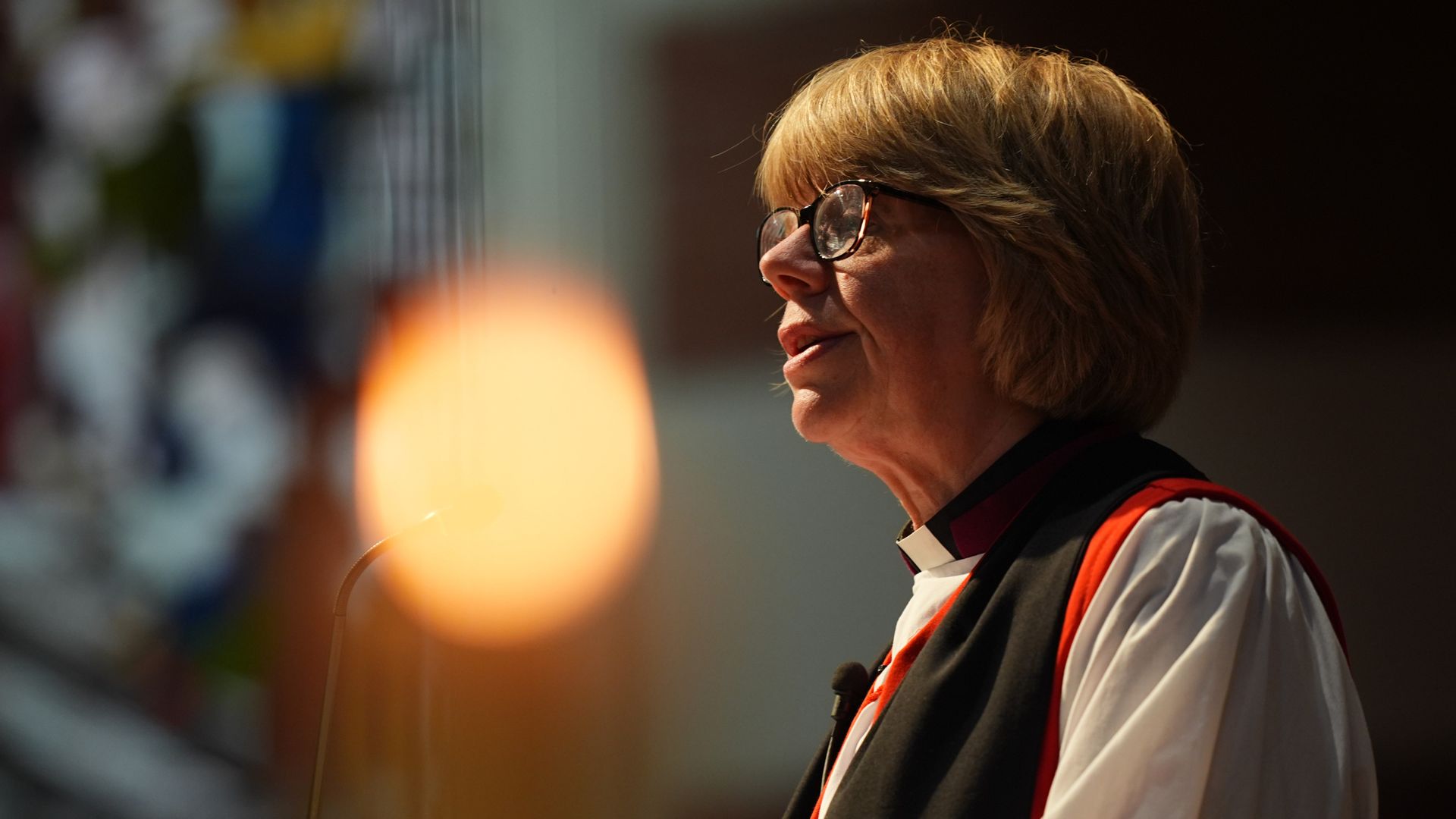
What Happened: The Archbishop’s Call Against Divisive Religious Identity
In a pointed statement, the Archbishop highlighted a disturbing trend where religious symbols and beliefs are manipulated to create fear and foster discord among communities. He stressed that religion, which ideally should unite people and promote peace, is being twisted by certain groups and individuals to intimidate others and deepen societal rifts.
The context for this message is particularly significant given the recent Unite the Kingdom march organized by Tommy Robinson, a figure known for his polarizing views and activism. The march drew considerable media attention and public scrutiny, raising questions about how religion and identity politics intersect in the public sphere.
By addressing this issue, the Archbishop seeks to reaffirm the core values of faith as a force for inclusion and understanding, rather than a rallying point for exclusion and hostility. His criticism serves as a reminder of the potential dangers when religious identity is co-opted for political or ideological agendas.
Why It Matters: Religion’s Role in Society and Social Cohesion
Religious identity plays a profound role in shaping individual and collective worldviews. Across the UK and beyond, faith communities contribute to social welfare, moral guidance, and cultural traditions. However, when religious identity is weaponized, it can undermine these positive contributions and threaten social cohesion.
The Archbishop’s comments underscore the urgency of addressing how religious narratives are used in public discourse. Misusing religion to intimidate or divide not only harms targeted groups but also weakens the entire fabric of society by fostering mistrust and animosity.
In a multicultural, multi-faith nation like the UK, maintaining mutual respect and dialogue between communities is essential for peace and progress. The misuse of religion risks unraveling decades of effort toward interfaith understanding and cooperation.
What Comes Next: Encouraging Unity and Respect Across Faiths
Following the Archbishop’s admonition, faith leaders, policymakers, and community organizations face a critical challenge: to promote religious expression that unites rather than divides. This involves actively rejecting rhetoric and actions that exploit faith for political gain or social exclusion.
Educational initiatives that foster interfaith literacy and empathy can play a pivotal role in countering divisive narratives. Additionally, public figures and institutions must hold accountable those who manipulate religion to intimidate or marginalize others.
The Archbishop’s stance also invites reflection among religious communities themselves about the responsibility to safeguard the integrity of their beliefs and practices. Embracing the principles of compassion, justice, and respect is key to reclaiming religion’s positive influence in society.
Looking Forward: Upholding Religion as a Force for Good
The Archbishop of Canterbury’s critique of the misuse of religious identity resonates deeply in a period marked by social and political challenges. His message calls on all sectors of society to resist attempts to weaponize faith and instead harness it as a unifying force.
As Britain continues to navigate complex issues of identity, diversity, and inclusion, the role of religion remains crucial. Upholding religious values of peace, tolerance, and solidarity can help bridge divides and build a more cohesive society.
Ultimately, the Archbishop’s warning serves as both a call to action and a hopeful reminder: religion, when embraced authentically, has the power to heal wounds, foster understanding, and bring people together in shared purpose.