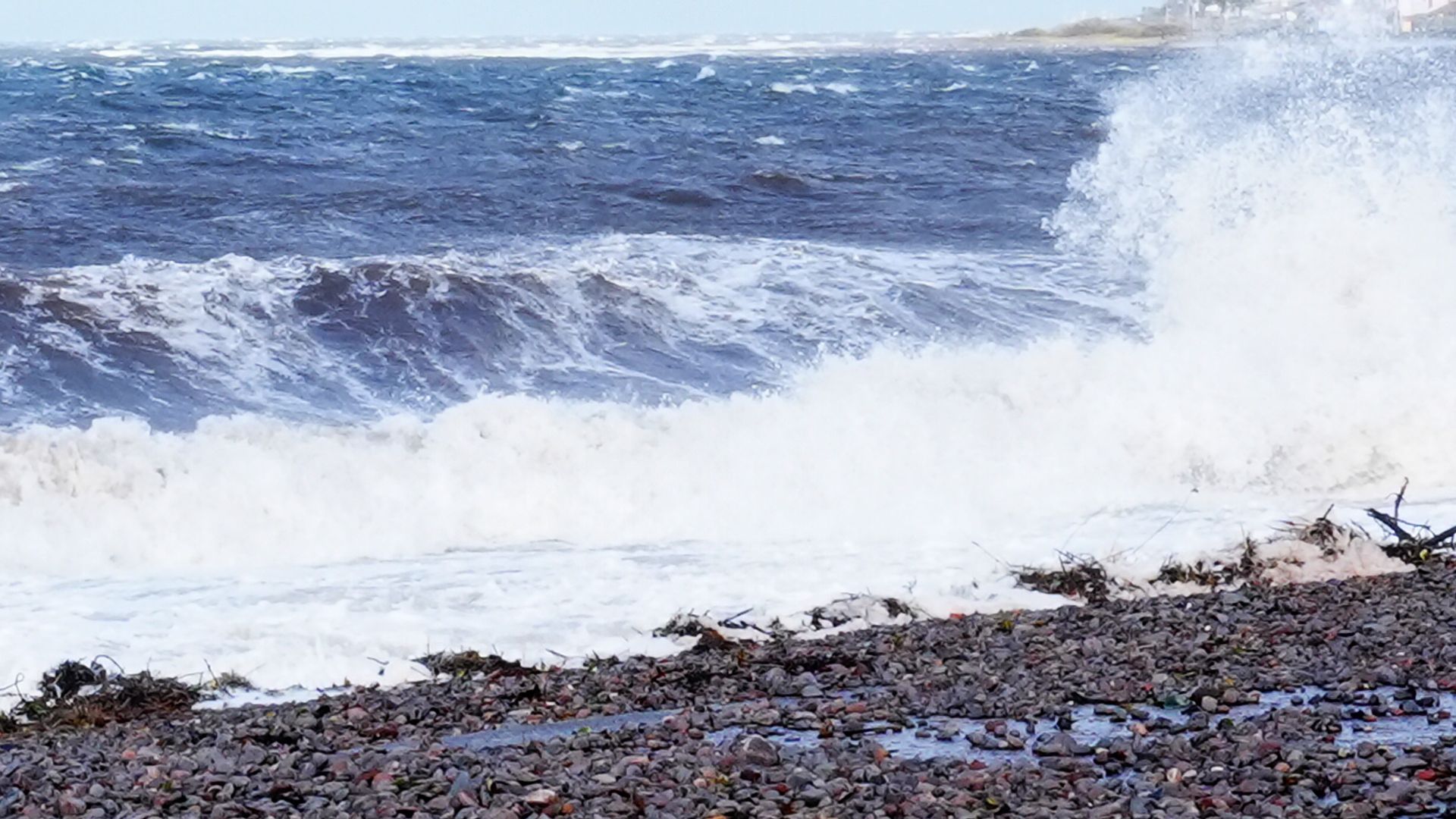
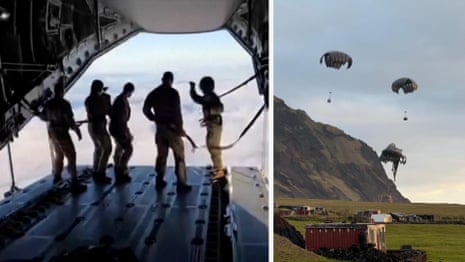
In an extraordinary and highly unusual operation, a specialist army team alongside medical personnel were parachuted onto Tristan da Cunha, one of the most remote inhabited islands in the world, to respond to a suspected case of hantavirus. This swift military intervention highlights the gravity of the health threat and underscores the logistical challenges posed by the island’s extreme isolation.
What Happened on Tristan da Cunha?
Tristan da Cunha is a British overseas territory located in the South Atlantic Ocean, approximately 1,750 miles from the nearest mainland. Home to fewer than 300 residents, the island is known for its remoteness and limited access to advanced medical facilities. When a resident exhibited symptoms consistent with hantavirus infection, immediate action became imperative.
Hantavirus is a rare but potentially fatal illness transmitted primarily through contact with infected rodents or their droppings. It can cause severe respiratory distress and requires urgent medical intervention. Given the island’s lack of specialized healthcare infrastructure, authorities coordinated a rapid military deployment to bring expert medical care directly to the patient and contain any potential outbreak.
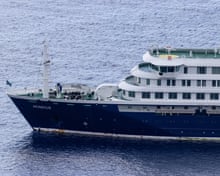
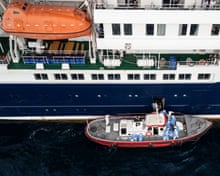
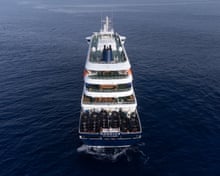
The British army’s decision to parachute personnel onto Tristan da Cunha reflects the island’s inaccessibility by conventional means. With no airport and only occasional ship visits, parachuting offered the fastest method to deliver critical aid. This operation involved meticulous planning and coordination between military and health agencies to ensure the safety of both the medical team and the island’s residents.
Why This Operation Matters
This intervention on Tristan da Cunha shines a spotlight on the vulnerabilities faced by remote communities worldwide when confronted with infectious diseases. Isolated populations often lack immediate access to advanced medical care, making rapid response essential to prevent outbreaks from escalating.
Hantavirus, while uncommon, poses a serious public health risk due to its high fatality rate and the difficulty in treating respiratory complications. The island’s ecosystem, inhabited largely by rodents that can carry the virus, increases the risk of transmission if proper containment measures are not quickly enforced.
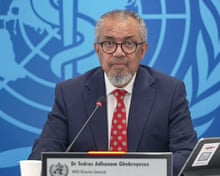
Moreover, this military-assisted medical response exemplifies how governments and health authorities must adapt to unique geographic challenges. Sending help to Tristan da Cunha requires not only medical expertise but also innovative logistical solutions, such as parachuting, to reach those in need swiftly.
Such operations also reinforce the importance of global health security and readiness, especially as isolated regions can become vulnerable points for emerging diseases. The successful deployment of a specialist team here may serve as a blueprint for future emergency responses in similarly hard-to-reach areas.
What Comes Next: Containment and Care
Following the parachute drop, the medical team has been working closely with local authorities to diagnose and treat the suspected hantavirus case. Confirming the diagnosis involves laboratory testing, which may require samples to be sent off-island due to the lack of on-site facilities.
Containment efforts include educating residents on preventing rodent exposure, implementing sanitation measures, and monitoring for any additional cases. The military’s presence also assists in logistical support, ensuring medical supplies and personnel can operate effectively in this challenging environment.

While the situation remains under close observation, no widespread outbreak has been reported. The prompt response has been critical in managing the potential threat and safeguarding the tight-knit community.
Tristan da Cunha’s experience underscores the interplay between public health preparedness and innovative military support in crisis situations. It serves as a reminder of the dedication required to protect even the most remote corners of the world from emerging health threats.

Why This Incident Matters to Global Health
Remote islands like Tristan da Cunha often fall outside the immediate focus of global health infrastructure, yet their isolation can amplify the risks posed by infectious diseases. The hantavirus scare here illustrates how quickly a local health issue can necessitate international intervention.
This event also highlights the critical role of military forces in humanitarian and health emergencies beyond traditional combat roles. Their expertise in rapid deployment, logistics, and operating in austere environments makes them invaluable partners in global health crises.

For policymakers and health officials, the Tristan da Cunha case reinforces the need for adaptable, multidisciplinary approaches to outbreak response, particularly in regions where geography limits conventional access. Strengthening surveillance, ensuring rapid communication channels, and maintaining readiness for unconventional deployment methods can save lives.

In conclusion, the parachute operation on Tristan da Cunha is a vivid example of how innovation, cooperation, and urgency combine to address rare but serious health challenges in remote locations. It reaffirms the commitment to protecting vulnerable populations worldwide, no matter how far-flung they may be.