Engaging regularly in artistic and cultural activities such as singing, painting, or visiting museums significantly slows the pace of biological ageing, according to groundbreaking research from University College London (UCL). This study reveals that both active participation in the arts and attendance at cultural events contribute to maintaining a younger biological age, suggesting profound health benefits beyond mere enjoyment.

What the Study Reveals About Arts and Biological Ageing
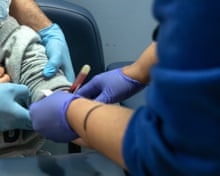
This pioneering research, led by Professor Daisy Fancourt, head of UCL’s social biobehavioural research group, provides the first robust evidence that arts and cultural engagement can slow down biological ageing. The study measured biological age using advanced “epigenetic clocks,” which analyze blood samples to assess how quickly a person’s body is ageing at a cellular level.

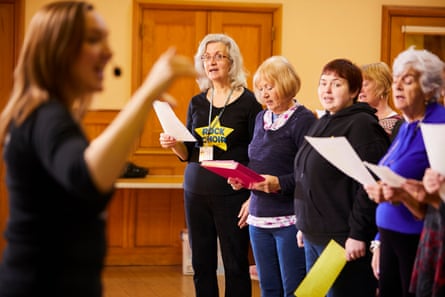
Participants who engaged in artistic activities like singing, dancing, painting, photography, or crafting at least once a week displayed a 4% slower biological ageing rate compared to those who rarely participated. Even monthly engagement slowed ageing by 3%. One of the study’s assessments showed that weekly arts participants were biologically about one year younger than their less active peers. For context, this biological age advantage exceeds that of individuals who exercised weekly, who were six months younger on average.

Professor Fancourt emphasizes, “These results demonstrate the health impact of the arts at a biological level. They provide evidence for arts and cultural engagement to be recognised as a health-promoting behaviour in a similar way to exercise.”

How Arts Engagement Compares to Other Health Factors
The magnitude of the arts’ impact on biological ageing rivals some of the most significant lifestyle changes known to science. Researchers noted that the difference in biological ageing between frequent arts participants and those less engaged is comparable to the gap between smokers and former smokers.

Dr Feifei Bu, senior author and UCL academic, elaborates: “Our study builds on a growing body of evidence showing the arts reduce stress, lower inflammation, and improve cardiovascular health—benefits traditionally associated with physical exercise.” These findings reinforce the arts not just as leisure activities but as critical contributors to physical health.

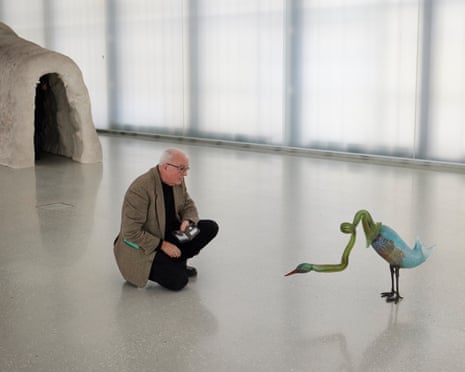
The study analyzed data from 3,556 adults aged 40 and above, drawn from the UK Household Longitudinal Study. Alongside blood samples, participants answered detailed surveys about their frequency of engagement in arts and cultural activities over the previous year. Activities ranged from visiting exhibitions and heritage sites to attending museums, libraries, or archives.
Why This Matters: Arts as a Public Health Strategy
The implications of this research extend far beyond individual wellbeing. Hollie Smith-Charles, director of creative health at Arts Council England, highlights how these findings underline the importance of accessible cultural spaces for all communities. “Arts, museums, and libraries help us live well for longer,” she states, emphasizing the need for affordable, high-quality cultural opportunities nationwide.

The benefits are especially pronounced for middle-aged and older adults, the study notes, suggesting that creative engagement could play a vital role in promoting healthy ageing across populations.

Leading arts figures also recognize the transformative power of culture. Mark Ball, artistic director of London’s Southbank Centre, connects this research to the centre’s origins. Established in 1951 as part of the Festival of Britain, the Southbank Centre was conceived as “a tonic for the nation” after World War II, aiming to foster optimism and healing through the arts. Ball reflects, “That sentiment is enduring and is needed now, more than ever.”
What This Means for the Future of Health and Culture
While the study does not claim arts engagement directly extends lifespan, it highlights a critical link between cultural participation and healthier biological ageing, which is predictive of reduced disease risk and mortality. Previous research has hinted at a connection between arts involvement and longevity, but establishing causality will require further investigation.
Globally, the World Health Organization has acknowledged the health potential of the arts, recommending interventions like music therapy before surgery and creative programs for dementia patients. This UCL study adds a compelling biological dimension to that growing evidence base.
In an era where public health strategies increasingly embrace holistic wellbeing, this research champions the arts as a vital component of healthy lifestyle recommendations. Incorporating creative activities into daily life can yield benefits rivaling traditional health measures, making culture a powerful tool for enhancing quality of life as we age.
As societies grapple with ageing populations and rising healthcare demands, recognizing the arts as a health-promoting behavior could reshape how communities and policymakers invest in cultural infrastructure and public health programs.

Ultimately, this study reaffirms a timeless truth: engaging with art and culture nourishes not only the spirit but also the body’s very biology, slowing the relentless march of time and enriching lives in profound ways.