

The debate over assisted dying laws has intensified across the UK, with Scotland rejecting legislation while England, Wales, and Jersey move forward with their own proposals. As the clock ticks on critical parliamentary sessions, the future of assisted dying legislation remains uncertain but deeply consequential for terminally ill patients seeking control over their end-of-life choices.
Scotland’s Assisted Dying Bill: Ambitious but Defeated
In Scotland, the Assisted Dying for Terminally Ill Adults (Scotland) Bill, introduced by Liberal Democrat MSP Liam McArthur in March 2024, sparked significant debate but ultimately failed to pass.
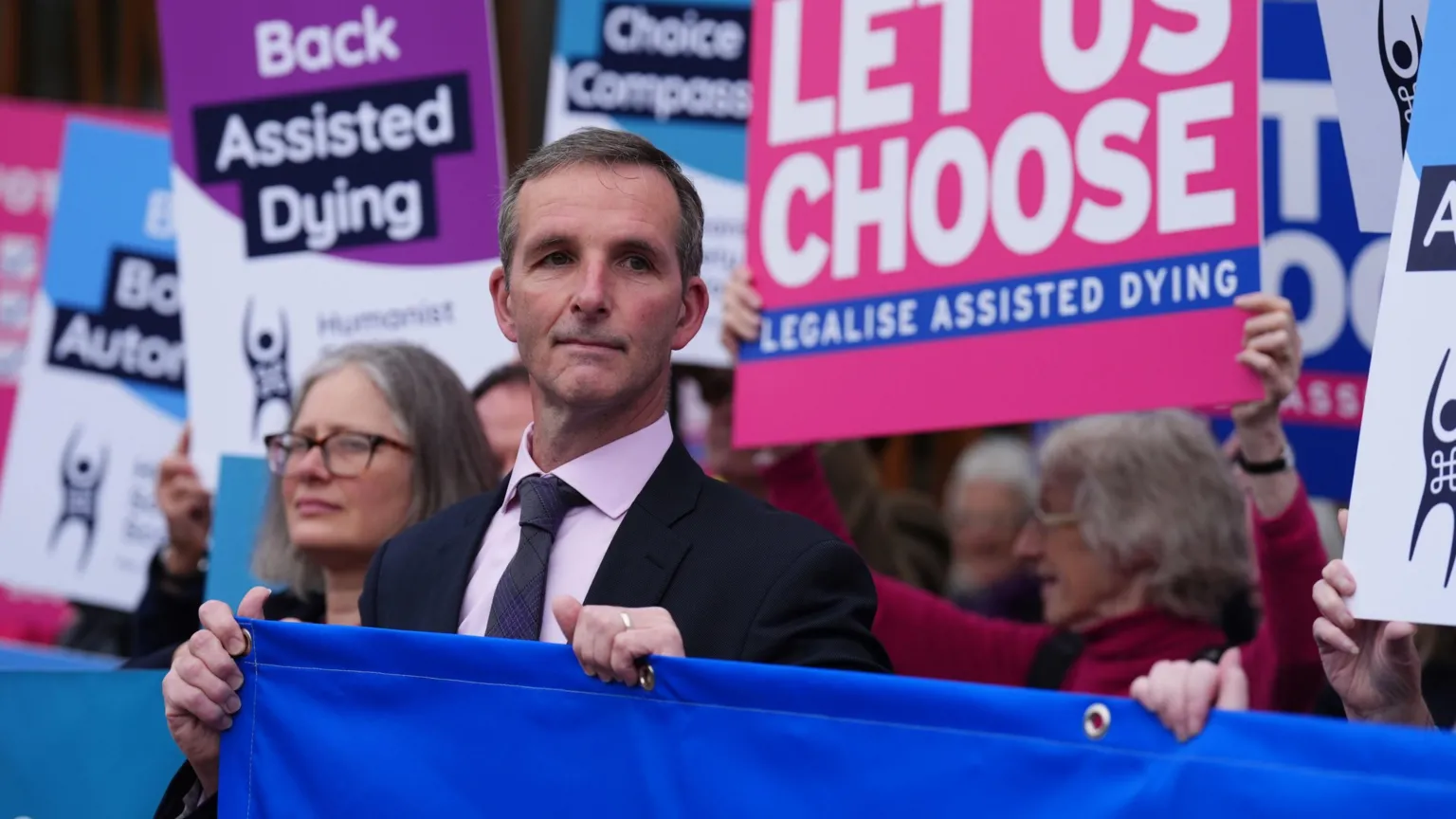
The bill aimed to allow terminally ill adults aged 18 or over, who had lived in Scotland for at least 12 months and were registered with a local GP, to receive medical assistance in dying if they were expected to die within six months and had the mental capacity to make that decision. Importantly, the bill excluded anyone with a mental disorder that could impair their judgement.
MSPs initially backed the bill’s general principles in May 2025 by 70 votes to 56, reflecting strong but divided support. Over subsequent months, the bill underwent intense scrutiny and numerous amendments. However, on 17 March 2026, the Scottish Parliament rejected the bill by 69 votes to 57.
McArthur announced he would not reintroduce the bill, stating it was time for fresh leadership on this issue.
England and Wales: Progress Amidst Parliamentary Challenges
Meanwhile, in England and Wales, backbench Labour MP Kim Leadbeater has championed the Terminally Ill Adults (End of Life) Bill, a Private Members’ Bill that would legalize assisted dying under strict safeguards.

Leadbeater’s bill proposes that adults over 18, registered with a GP in England or Wales for at least 12 months, who are terminally ill with an expected prognosis of six months or less, can request medical assistance to end their life. The bill requires two independent doctors to confirm eligibility, two signed declarations from the patient spaced by at least seven days, and a 14-day waiting period before the lethal medication can be self-administered.
The coordinating doctor must be a registered medical practitioner with specific training and qualifications to oversee the process, though the bill does not specify the exact medication to be used. Crucially, coercion would be illegal, punishable by up to 14 years in prison.
After initial support in the House of Commons with a 330 to 275 vote in November 2024, the bill was refined by a 23-member committee. Key amendments included establishing a three-person oversight panel with legal, psychiatric, and social work expertise; mandatory discussion of palliative care options; opt-outs for healthcare workers; and a ban on advertising assisted dying services.

Despite passing a second Commons vote in June 2025 with a narrower 314 to 291 majority, the bill now faces a tougher challenge in the House of Lords, where over 1,200 amendments have been proposed. These include raising the minimum age to 25, extending reflection periods, and tightening capacity assessments and family checks.
The House of Lords’ detailed scrutiny has slowed progress significantly. Lord Falconer, former justice secretary and bill co-sponsor, has criticized peers for deliberate delays and suggested using the Parliament Act to override obstruction, arguing the elected Commons have expressed clear support. Opponents, including former Downing Street adviser Nikki Da Costa, defend the Lords’ role in safeguarding vulnerable groups.
In Wales, the Senedd approved the bill in February 2026, meaning assistance would be available through NHS services if the UK Parliament also passes it. However, if the bill stalls at Westminster, Welsh access to assisted dying could be limited to private providers.
Jersey and the Channel Islands: Leading the Way

Beyond the UK mainland, Jersey has recently passed its own assisted dying legislation, becoming one of the first British Isles jurisdictions to do so. Approved by Jersey’s States Assembly in February 2026, the law allows terminally ill residents suffering unbearable pain, with a prognosis of six months or less (or 12 months for neurodegenerative diseases like Parkinson’s), to seek medical assistance to die.
The law requires Royal Assent from the UK before taking effect, with the first legal assisted deaths anticipated as early as summer 2027. Jersey follows the Isle of Man, which passed a similar bill in March 2025 but has yet to implement it due to UK Ministry of Justice concerns over safeguards.
Why Assisted Dying Sparks Such Passionate Debate
Supporters of assisted dying legislation emphasize compassion and dignity. Campaign groups like Dignity in Dying highlight that up to 650 terminally ill people in the UK currently end their lives prematurely, often in distressing circumstances. Cancer patient and advocate Nathaniel Dye has described the bill as providing the possibility of a “kind and compassionate” death. Public opinion polls show robust support, with a June 2025 YouGov survey indicating 72% of Britons back legalizing assisted dying under safeguards.
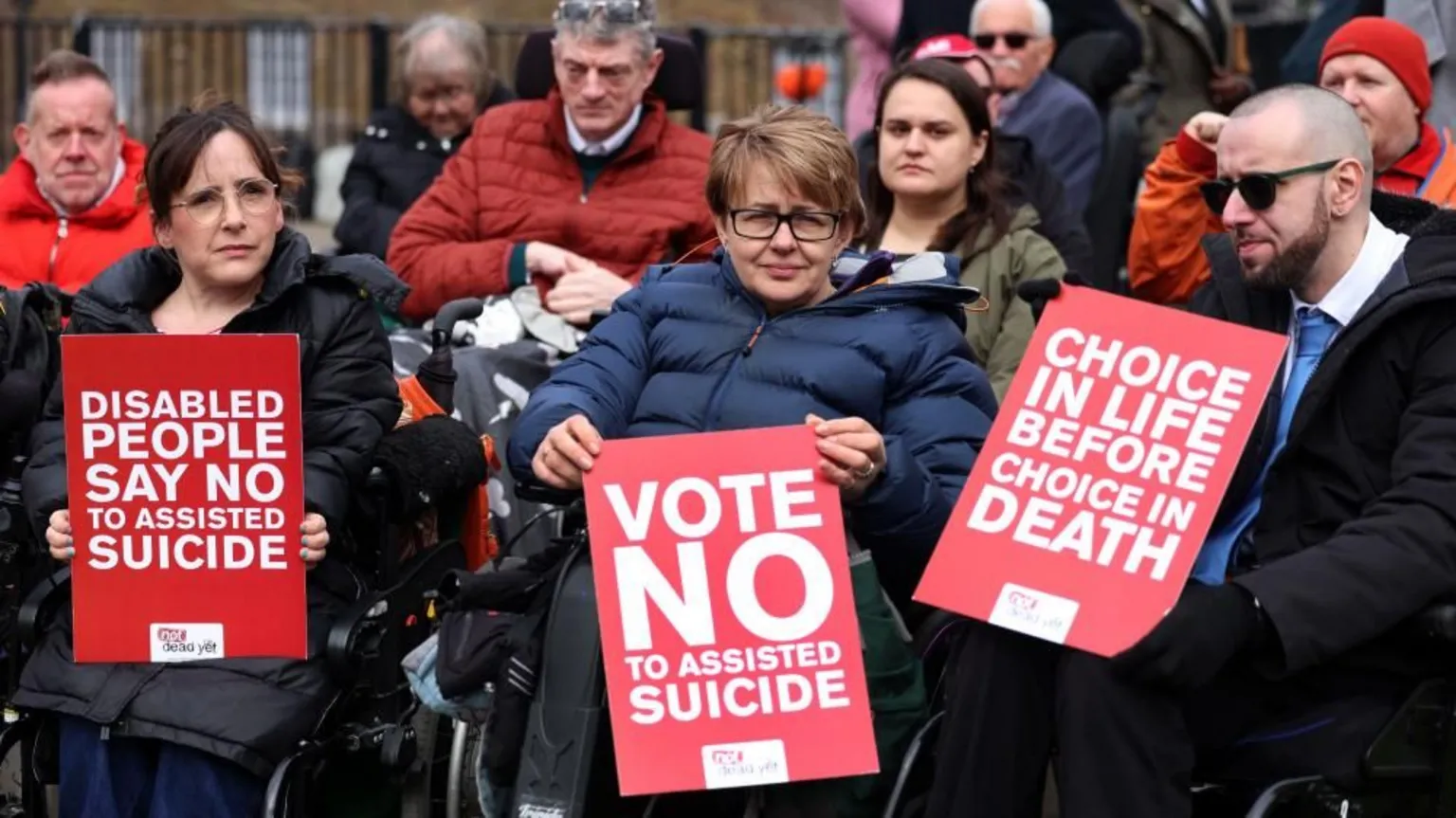
However, opposition remains strong. Disability rights campaigners, including Baroness Grey-Thompson and Liz Carr, warn that vulnerable people could face pressure to end their lives prematurely. Concerns also focus on doctors’ ability to accurately predict life expectancy and the adequacy of palliative care services. Groups like Care Not Killing argue that systemic improvements in end-of-life care should precede any changes to the law.
What This Means Going Forward
The future of assisted dying legislation in England and Wales hinges on the House of Lords’ willingness to expedite or amend the bill, and on government intervention to secure parliamentary time. As the current parliamentary session draws to a close in May 2026, supporters fear the bill may run out of time, leaving the status quo intact.
Passing this legislation would mark one of the most significant reforms in UK medical law in decades, granting terminally ill adults unprecedented control over their deaths while embedding stringent safeguards. Failure to pass the bill risks alienating voters who see the issue as a matter of personal dignity and choice.
Meanwhile, jurisdictions like Jersey are moving ahead, potentially setting a precedent for future UK reforms. The complex, emotive debate over assisted dying continues to engage politicians, healthcare professionals, patients, and the public alike—highlighting profound ethical, legal, and social questions about death, autonomy, and care.