

Supporters of the Terminally Ill Adults (End of Life) Bill are mobilizing a formidable coalition of around 200 Members of Parliament to revive the legislation this summer, aiming to overcome recent setbacks and secure its passage into law.
What Happened to the Assisted Dying Bill?
The bill, which would grant adults over 18 who are terminally ill with a prognosis of six months or less the legal right to receive medical assistance to end their lives, currently faces a legislative deadlock. Although it has cleared the House of Commons once, it has stalled in the House of Lords and risks failing when the current parliamentary session concludes before the King’s Speech on 13 May.
This legislation applies only to England and Wales. Attempts to pass similar laws have met resistance elsewhere: the Scottish Parliament rejected a comparable bill in March, while the Crown dependencies of Jersey and the Isle of Man have recently enacted their own assisted dying laws.
The bill was introduced by Labour MP Kim Leadbeater, who secured the top spot in the private members’ ballot last September, a process allowing backbench MPs to propose legislation each parliamentary session. However, despite this initial momentum, the bill became ensnared in protracted debates and amendments in the Lords, preventing its completion.
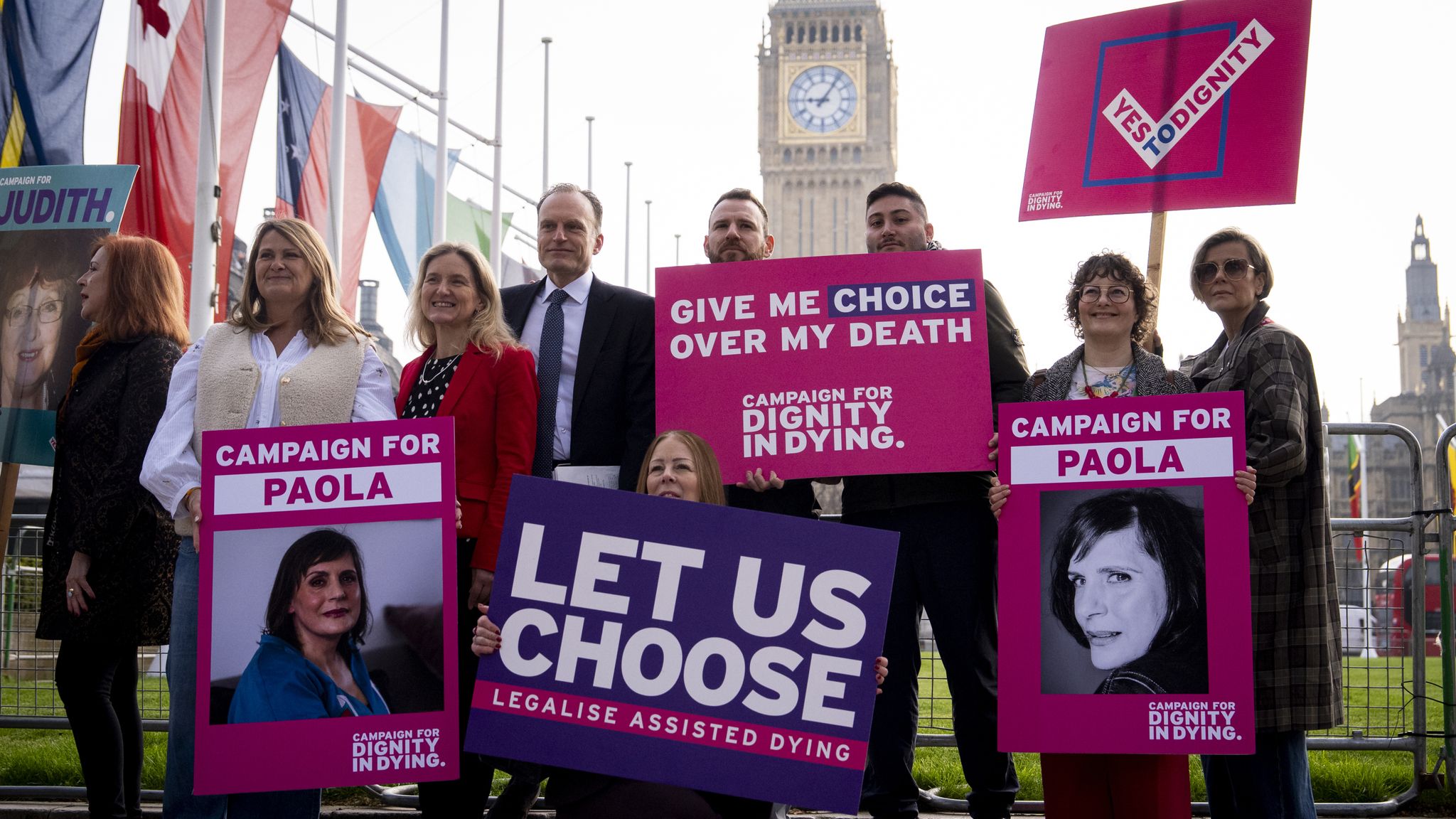
How Could the Bill Return to Parliament?
Backers are now preparing for the next private members’ bill ballot scheduled for 21 May, aiming for a high-ranking position that would enable reintroduction of the bill. Around 400 to 500 backbench MPs typically enter this ballot, but government ministers are not permitted to participate. With such numbers, securing a place in the top five grants a realistic chance of advancing the bill through Parliament.
Charlie Falconer, the Labour peer guiding the bill through the Lords, told Sky News that the goal is to position the bill prominently in the ballot to ensure swift progress. Similarly, Labour MP Dr Simon Opher, a key proponent in the Commons, explained that supporters intend to unite behind whichever MP wins the spot to champion Leadbeater’s bill once again.
Since the bill has already secured a majority in the Commons, Dr Opher believes the parliamentary stages could be expedited. “Because it is a private members’ bill, the committee stage would be composed mainly of supporters, likely lasting only a few hours,” he said. Lord Falconer echoed this sentiment, predicting that the debate would be concise, with a single day devoted to decisive votes.
Support is also growing due to frustration with the Lords’ obstruction. Some MPs who originally opposed the bill are now backing it, viewing the Lords’ resistance as undemocratic. Over 100 Labour MPs recently urged party leader Sir Keir Starmer to prevent further blockage and allow the bill another Commons hearing. Similar appeals have come from MPs of other parties.

Challenges and Controversies Surrounding the Bill
Despite strong support, the bill faces significant opposition from both Parliament and medical professionals. Labour MP Adam Jogee, a vocal critic, criticized the bill as “flawed” and argued that the public demands “safe, well-developed laws that are watertight and robust.” He cited polling by JL Partners showing 77% of respondents oppose passing legislation that lacks thorough scrutiny.
Baroness Luciana Berger, also from Labour and against the bill, warned it poses a “danger to the vulnerable.” She highlighted that no major medical Royal Colleges, professional bodies, or government ministers endorse the bill’s safety.
In response, Dr Opher defended the legislation as “the safest assisted dying bill in the world,” emphasizing safeguards embedded within the proposal.
The Role of the Parliament Act
Should the bill be reintroduced and pass the Commons again but face rejection by the Lords once more, Parliament has a procedural mechanism to override the upper chamber’s opposition. The Parliament Act allows a bill to become law if the Commons passes it in two successive sessions despite Lords’ rejection. This rare process has only been used twice this century—for banning fox hunting and equalizing the gay age of consent.
Dr Opher noted that the Lords lost their influence to amend and improve the bill due to their protracted blocking tactics. Opponents warn that invoking the Parliament Act would be “outrageous,” while peers insist their scrutiny aims to enhance the bill, not obstruct it.
Alternative Routes if the Ballot Fails
If the private members’ ballot strategy falters, supporters plan to lobby the government to allocate time for the bill as a presentation bill. Though such bills rarely progress past initial stages, proponents hope to leverage this to reinforce the Commons’ democratic authority over the Lords. Government ministers have so far declined to adopt the bill as official legislation, wary of dividing the Labour Party on this sensitive topic.
Why This Matters
The debate over assisted dying strikes at the heart of ethical, medical, and democratic concerns. For terminally ill patients facing unbearable suffering, this bill offers a legal pathway to control the manner and timing of their death. Its potential legalization would mark a profound shift in end-of-life care within England and Wales.
However, the controversy underscores the complexity of balancing compassionate choice with protections for vulnerable individuals. The ongoing parliamentary tug-of-war highlights tensions between elected MPs and the unelected Lords, raising questions about legislative authority and democratic accountability.
As the bill’s supporters prepare to marshal unprecedented backing, the coming months will test whether assisted dying can move from contentious debate to accepted law. The outcome will shape not only medical practice but also the principles guiding autonomy and dignity at life’s end.
Full details of the bill’s future progression remain to be seen as the parliamentary session advances.