

A heated debate has erupted within UK politics after a public Muslim prayer event held during Ramadan in central London sparked sharp criticism from a Conservative MP and subsequent backing from a senior party figure. Kemi Badenoch, a prominent Conservative minister, has publicly supported her colleague Nick Timothy following his controversial remarks describing the event as an “act of domination.”
What Sparked the Controversy?
The incident centers on a Ramadan gathering held on Monday evening at Trafalgar Square, one of London’s most iconic public spaces. The event formed part of a series of “open iftar” dinners organized by the charity Ramadan Tent Project. Iftar is the meal Muslims share at sunset to break their daily fast during Ramadan, often accompanied by prayer.
Nick Timothy, the Conservative MP for West Suffolk and shadow justice secretary, shared footage on the social media platform X showing a group of men—including Labour London Mayor Sadiq Khan—praying together in the square. Timothy condemned the public prayers, arguing they represented “mass ritual prayer in public places” as an “act of domination.” He insisted such religious practices should remain confined to mosques, stating: “They are not welcome in our public places and shared institutions.”
Timothy further emphasized the distinction between this event and other public celebrations such as televised football matches or St Patrick’s Day festivities, labeling the prayer gathering as a divisive act rather than a unifying community celebration.
The criticism drew swift condemnation from Labour, which called Timothy’s comments “abhorrent” and demanded his removal from the Conservative frontbench. Prominent Labour figures, including party chair Anna Turley, described the remarks as “utterly appalling.”
Meanwhile, Reform UK leader Nigel Farage also criticized the event, accusing participants of “attempting dominance” over the capital.
Defending British Culture or Fueling Division?
In response to the backlash, Kemi Badenoch defended Timothy’s viewpoint during the launch of the Conservative local election campaign. Badenoch described Timothy as a “fantastic” colleague and said his concerns reflected a broader issue about how religion should be expressed in public spaces, especially in relation to “the norms of British culture.”
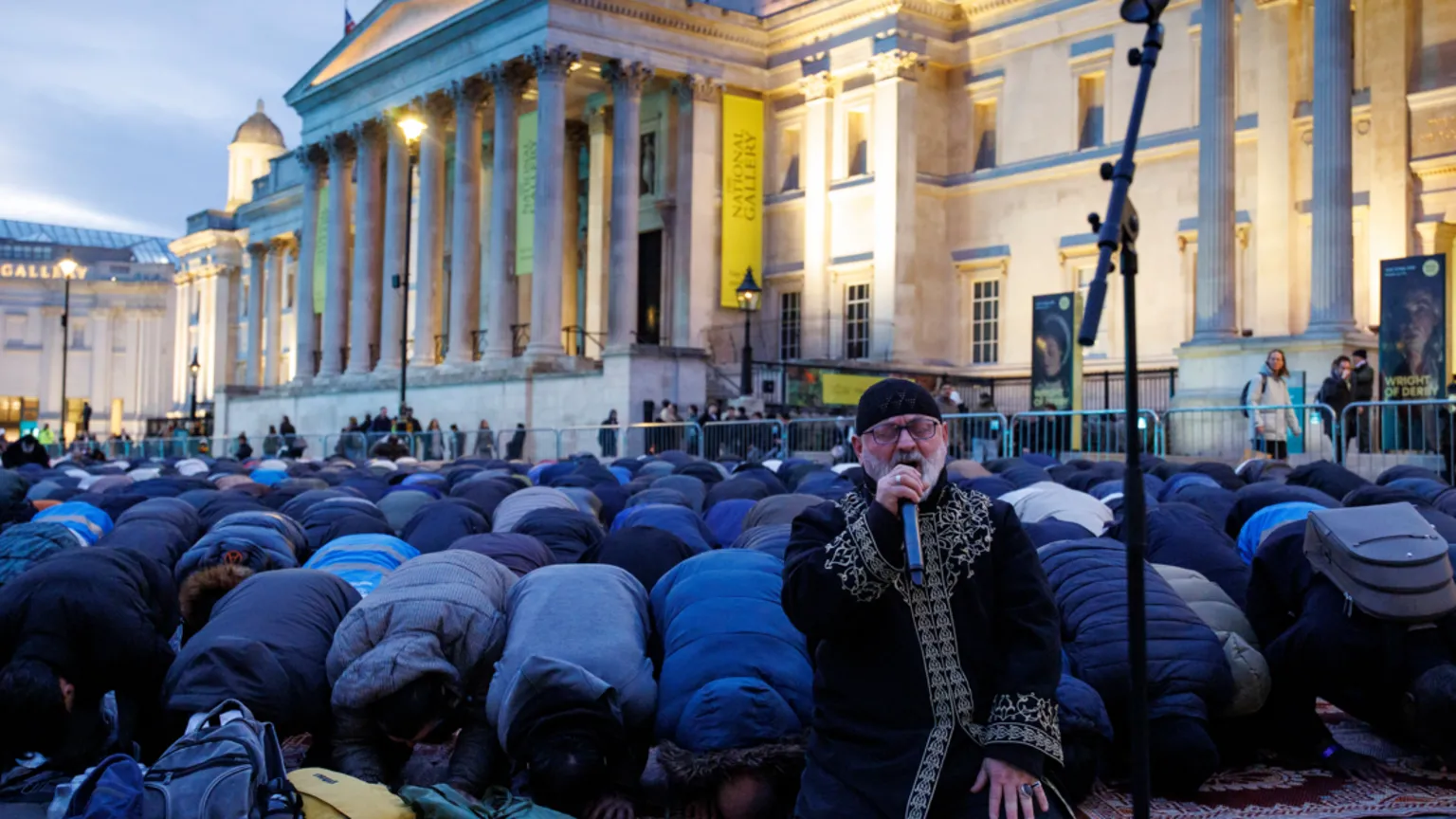
Badenoch claimed footage from the event showed women being “pushed to the back,” and described the gathering as “exclusionary.” She emphasized the need to consider whether such religious expressions align with British societal norms, stating, “It is about how religion is expressed in a shared public space, and whether those expressions fit within the norms of British culture.”
In a subsequent BBC interview, Badenoch suggested that the event should never have been permitted, highlighting existing planning rules governing public gatherings and calling for a review of these regulations. “I don’t think that was one that should have gone on,” she said, pledging to examine how such events are authorized in public spaces.
When questioned about her focus on women’s placement at the event—a detail not originally raised by Timothy—Badenoch reiterated her commitment to “bringing back British values” and enforcing “British identity” in public life.
The Charity’s Perspective and Broader Context
The Ramadan Tent Project strongly rejected Badenoch’s characterization of the event as exclusionary. Founder Omar Salha called the minister’s statements a “gross misrepresentation,” stressing that the event was “open to all” with “no restrictions on anyone in the Square.” He highlighted the attendance of representatives from Muslim, Jewish, Christian, Hindu, and Sikh communities, and described the feedback from participants as “overwhelmingly positive.”
Public events in Trafalgar Square require prior authorization from the Greater London Authority (GLA), which mandates organizers to disclose details such as contact information, planned activities, and expected attendance figures. The GLA confirmed Monday’s iftar marked the sixth such event hosted in the square.
The square has a long history of accommodating diverse cultural and religious celebrations, including Easter’s The Passion of Jesus, the Sikh festival of Vaisakhi, and the Jewish holiday of Chanukah. Mayor Sadiq Khan defended the Ramadan event by noting the square’s tradition of hosting various faith-based gatherings, questioning why the Conservative Party objects to Muslims celebrating their religion publicly as others do.
Why This Debate Matters
This controversy highlights a broader tension in British society regarding multiculturalism, public space usage, and religious expression. It raises critical questions about how diverse communities can coexist respectfully while preserving shared national values and identities.
For the Conservative Party, the dispute exposes internal divisions on cultural issues, especially as they prepare for upcoming local elections. The debate also reflects growing scrutiny over the role of religion in public life and the boundaries between private worship and public demonstration.
At its core, the incident underscores the challenge of balancing freedom of religious expression with the need for inclusive public spaces that accommodate all citizens equally.
Looking Ahead
As calls intensify for clearer guidelines on public religious events, authorities may review planning and licensing procedures to prevent future conflicts. Political leaders must navigate these cultural sensitivities carefully to maintain social cohesion and uphold the values of a pluralistic society.
The Ramadan event in Trafalgar Square has become a flashpoint in the ongoing conversation about British identity, religious freedom, and public space. How the government and community leaders respond could shape the nation’s approach to multiculturalism for years to come.