

The United Kingdom faces a challenging economic outlook as the Bank of England signals a potential contraction in the final quarter of the year, underscoring persistent sluggishness expected to continue into 2013. This stark warning comes despite a surprising 1 percent annual growth in the UK’s gross domestic product (GDP) during the third quarter, which marked the end of a nine-month recession.
Mixed Signals from Recent Economic Data
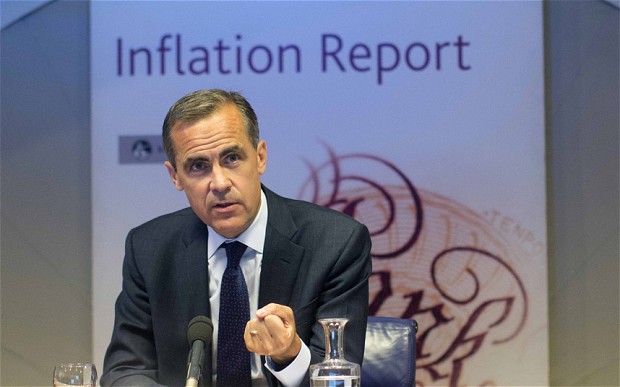
In a press conference unveiling the Bank of England’s latest quarterly Inflation Report, Governor Mervyn King acknowledged the positive GDP growth but cautioned against viewing it as a firm indicator of sustained recovery. He explained that the temporary boost from the London Olympics during the summer artificially inflated economic activity, which is unlikely to persist. “Output growth is likely to fall back sharply in Q4 as the boost from the Olympics in the summer is reversed – indeed output may shrink a little this quarter,” King stated.
This nuanced assessment highlights the fragility of the current recovery. While the third quarter’s growth brought relief after months of contraction, it masks underlying weaknesses in the economy. The Bank of England’s outlook now anticipates that the UK economy could shrink in the final three months of the year, reversing some of the gains made earlier. Moreover, the central bank has downgraded its global GDP growth forecast for 2013 to about 1 percent, reflecting a broadly subdued economic environment worldwide.
King further emphasized the difficult position policymakers face: “We face the rather unappealing combination of a subdued recovery with inflation remaining above target for a while.” Despite the fragile growth, inflation continues to outpace the Bank’s official 2 percent target, complicating monetary policy decisions.
__IMAGE_PLACEHOLDER_1__
Monetary Policy and Quantitative Easing: A Delicate Balance
In response to the economic challenges, the Bank of England has relied heavily on quantitative easing (QE), a program involving large-scale asset purchases aimed at stimulating the economy through increased liquidity. Since 2009, the Bank has injected £375 billion (approximately $595 billion) into the British economy via QE.
Governor King reassured that the Bank has “not lost faith” in this unconventional monetary policy tool. However, given the recent growth spurt and persistent inflation above target, the Bank’s Monetary Policy Committee decided against expanding QE this month. This cautious stance illustrates the complex trade-offs between supporting growth and controlling inflation.
The decision not to increase QE reflects concerns that further stimulus could exacerbate inflationary pressures at a time when price rises already outpace wage growth. The Bank must carefully weigh the risk of overheating against the danger of stifling a fragile recovery.
Labor Market Trends and Inflation Pressures
The latest data from the Office for National Statistics (ONS) provides a mixed picture of the labor market. Unemployment fell slightly to 7.8 percent in the July-September period, down from 8.0 percent in the previous quarter and 8.2 percent a year earlier. While this decline suggests some improvement, other indicators raise caution.
Despite the lower unemployment rate, the number of people claiming unemployment benefits increased by 10,000 in September, hinting that the labor market’s recent resilience may be waning. Martin Beck, an economist at Capital Economics, observed that “the labor market’s recent resilience may finally be starting to fade,” signaling potential challenges ahead for employment growth.
Meanwhile, wage growth remains weak. The ONS reported that pay increased by just 1.8 percent over the last year, continuing to lag behind inflation, which currently stands at 2.7 percent. This gap means real wages are effectively shrinking, reducing consumer purchasing power and weighing on economic demand.
__IMAGE_PLACEHOLDER_2__
Why This Matters: Navigating a Precarious Recovery
The Bank of England’s latest outlook underscores the precariousness of the UK’s economic recovery. The temporary boost from major events like the Olympics can mask deeper structural issues such as sluggish productivity growth, fragile labor market dynamics, and persistent inflationary pressures.
For policymakers, the challenge lies in fostering sustainable growth without allowing inflation to spiral out of control. The decision to hold QE steady demonstrates the Bank’s delicate balancing act amid these competing priorities. Meanwhile, weak wage growth relative to inflation threatens household incomes and consumer spending, which are essential drivers of economic expansion.
Looking ahead, the anticipated contraction in the final quarter and slow growth into 2013 suggest that the UK economy will continue facing headwinds. Businesses, consumers, and investors must prepare for an environment characterized by cautious optimism but significant uncertainty.
Ultimately, the Bank of England’s warnings highlight the need for careful monitoring and adaptive policy measures to support a more robust and inclusive recovery in the coming years.