

The sentencing hearing for a notorious gang of underworld gun suppliers in London came to an unexpected halt when soaring temperatures overwhelmed the newly rebuilt courthouse. The extreme heat rendered the courtroom environment unbearable, forcing officials to abandon proceedings and raise concerns about infrastructure resilience amid climate challenges.
What Happened During the Sentencing Hearing?
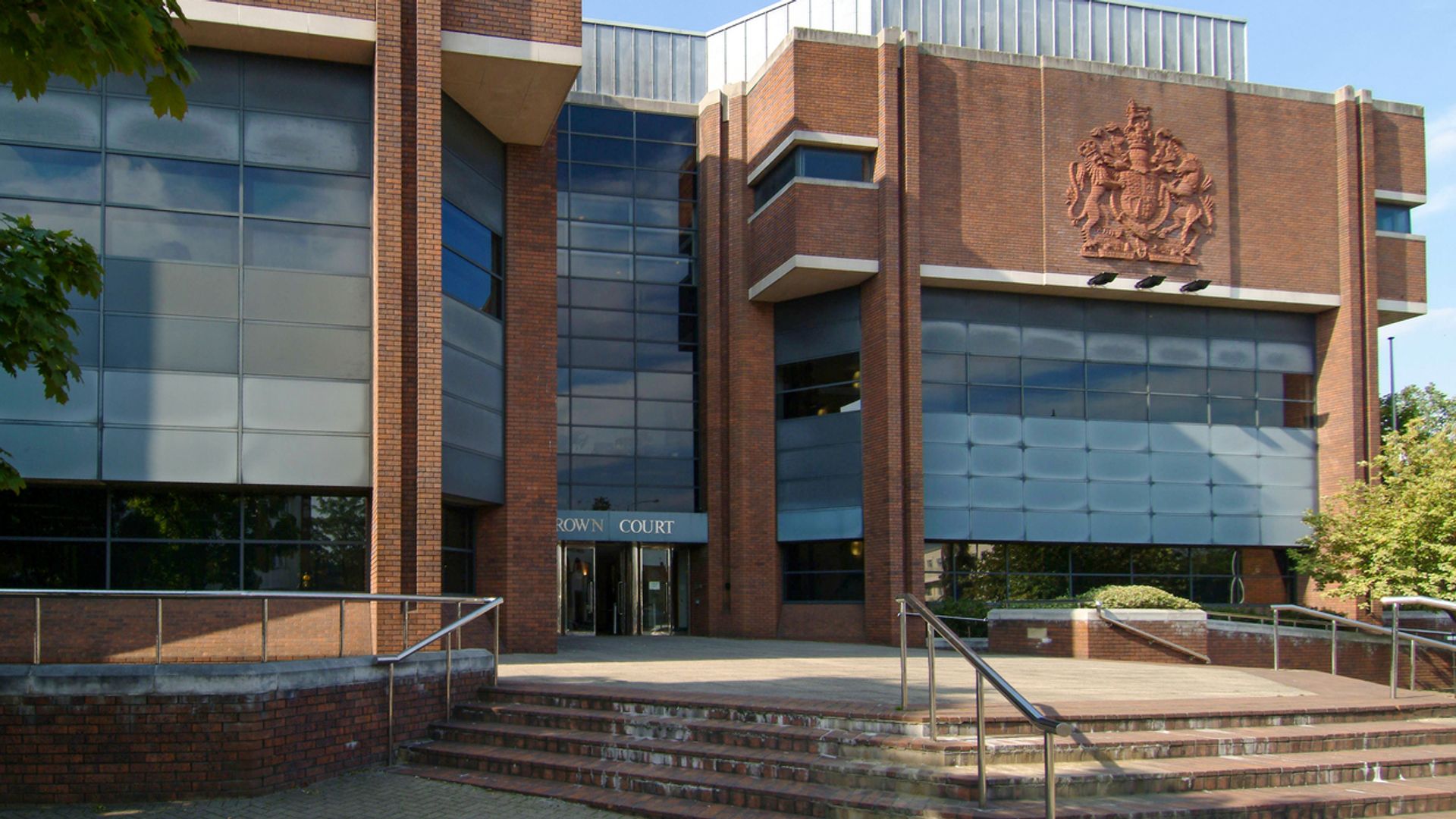
A high-profile sentencing, poised to deliver justice against a criminal network responsible for supplying firearms on London’s streets, was abruptly stopped due to excessive heat. The court, recently renovated and modernized, was expected to provide a state-of-the-art environment for legal proceedings. However, the building’s climate control systems failed to manage the intense heatwave gripping the city, creating unsafe and uncomfortable conditions for everyone inside.
As temperatures climbed, judges, lawyers, defendants, and court staff struggled to continue the hearing. The discomfort and health risks associated with the heatwave compelled the presiding judge to suspend the sentencing session indefinitely. Officials prioritized safety and well-being, recognizing that fair legal processes require a suitable environment.
Why the Court’s Cooling System Failed
The court’s inability to cope with the heatwave reveals a critical gap in infrastructure planning. Despite recent rebuilding efforts, the facility lacked adequate air conditioning or ventilation capable of withstanding record-breaking temperatures. This shortfall highlights the growing challenge public buildings face as extreme weather events become more frequent and severe due to climate change.
Experts warn that many older and even newly constructed public facilities across London and the UK are vulnerable to heatwaves. Without proactive measures to upgrade cooling systems and design buildings for climate resilience, essential services—including the justice system—may face repeated disruptions.
Implications for the Justice System and Public Safety
The disruption of this sentencing hearing carries broader consequences beyond courtroom delays. The gang involved has been linked to supplying firearms that fuel violence on London’s streets, making swift legal resolution a public safety priority. Postponing sentencing prolongs uncertainty and can delay the enforcement of crucial justice measures.
Moreover, this incident underscores the urgent need for courts and other key public institutions to adapt to environmental realities. Ensuring that legal processes can continue uninterrupted during extreme weather is vital for maintaining public trust and upholding the rule of law.
Local authorities and government bodies must reassess building standards and invest in climate-proofing measures to prevent similar situations. This event serves as a wake-up call to prioritize infrastructure resilience within the justice sector and beyond.
Looking Ahead: What This Means for London’s Courts
The unexpected abandonment of the sentencing hearing due to heatwave conditions marks a turning point for how London’s courts prepare for climate impacts. Courts must integrate advanced climate control technologies and develop emergency protocols to handle extreme temperatures without compromising proceedings.
As climate change continues to drive more frequent heatwaves, this challenge will extend to other public institutions as well. The justice system’s ability to adapt will influence not only operational continuity but also the efficacy and fairness of legal outcomes.
In the meantime, affected cases like this sentencing will require rescheduling, possibly delaying justice for victims and communities. Authorities face the dual task of managing immediate disruptions while implementing long-term solutions to safeguard court operations.
Ultimately, this incident reinforces the critical intersection between climate resilience and public service infrastructure. Preparing for a warmer future is essential to ensure that justice remains swift, safe, and effective under any conditions.