

The BBC was aware of a police investigation into DJ Scott Mills years before abruptly terminating his contract in 2024, following fresh information that emerged weeks prior to his dismissal. This revelation sheds new light on the broadcaster’s handling of serious allegations against one of its most popular radio personalities.
What Happened: Early Knowledge and Police Investigation
In 2017, the BBC was informed about an ongoing police inquiry involving Scott Mills, who was then a prominent figure on the network. The probe centered on allegations of serious sexual offences against a teenage boy under 16, purported to have occurred between 1997 and 2000. These allegations were initially reported to Hampshire Police in 2016 by a third party, who forwarded the information to the Metropolitan Police for further investigation.
The Met Police launched their inquiry in 2016, subsequently questioning Mills under caution in July 2018. According to reports, Mills denied all allegations and reportedly informed the BBC about the investigation at that time. Despite this, the corporation chose not to remove him from the airwaves. The investigation was closed in May 2019 after the Crown Prosecution Service (CPS) determined the evidential threshold was not met to proceed with charges.

BBC’s Response and Contract Termination in 2024
The BBC maintained silence when first approached about these allegations by a freelance journalist in 2023, declining to comment. However, in late March 2024, the corporation acted decisively after receiving “new information” related to Mills’ conduct. On Friday, 27 March, the BBC terminated his contract, citing alignment with their cultural and ethical standards.
A BBC spokesperson explained, “Scott Mills had a long career across the BBC, he was hugely popular and we know the news this week has come as a shock and surprise to many.” They further acknowledged widespread media speculation and emphasized the need to protect the rights of all parties involved.
The spokesperson confirmed, “We obtained new information relating to Scott and spoke directly with him. As a result, the BBC acted decisively in line with our culture and values and terminated his contract.”
The BBC also highlighted its ongoing commitment to fostering a positive workplace culture. Following an independent review of its internal environment last year, the organization outlined clear behavioral expectations and vowed to take firm action when standards are breached.
Why This Matters: Accountability and Transparency at the BBC
The handling of the Scott Mills case exposes ongoing challenges within the BBC around transparency and accountability, especially regarding serious allegations against high-profile figures. The corporation’s initial inaction in 2017—despite knowledge of the police investigation—raises questions about how it balances reputational risk against safeguarding responsibilities.
Moreover, the BBC’s recent decisive action underscores a shift toward stricter governance and cultural reform in the wake of broader scrutiny of institutional responses to misconduct. The public and staff expect the broadcaster to uphold the highest ethical standards, making this case a critical test of its renewed commitment to integrity.
Scott Mills, aged 53, has not publicly commented on his dismissal. The BBC removed him from airwaves on Tuesday before officially ending his contract at the end of March. The Met Police continue to respect legal protocols by not identifying individuals under investigation before any charges are made.
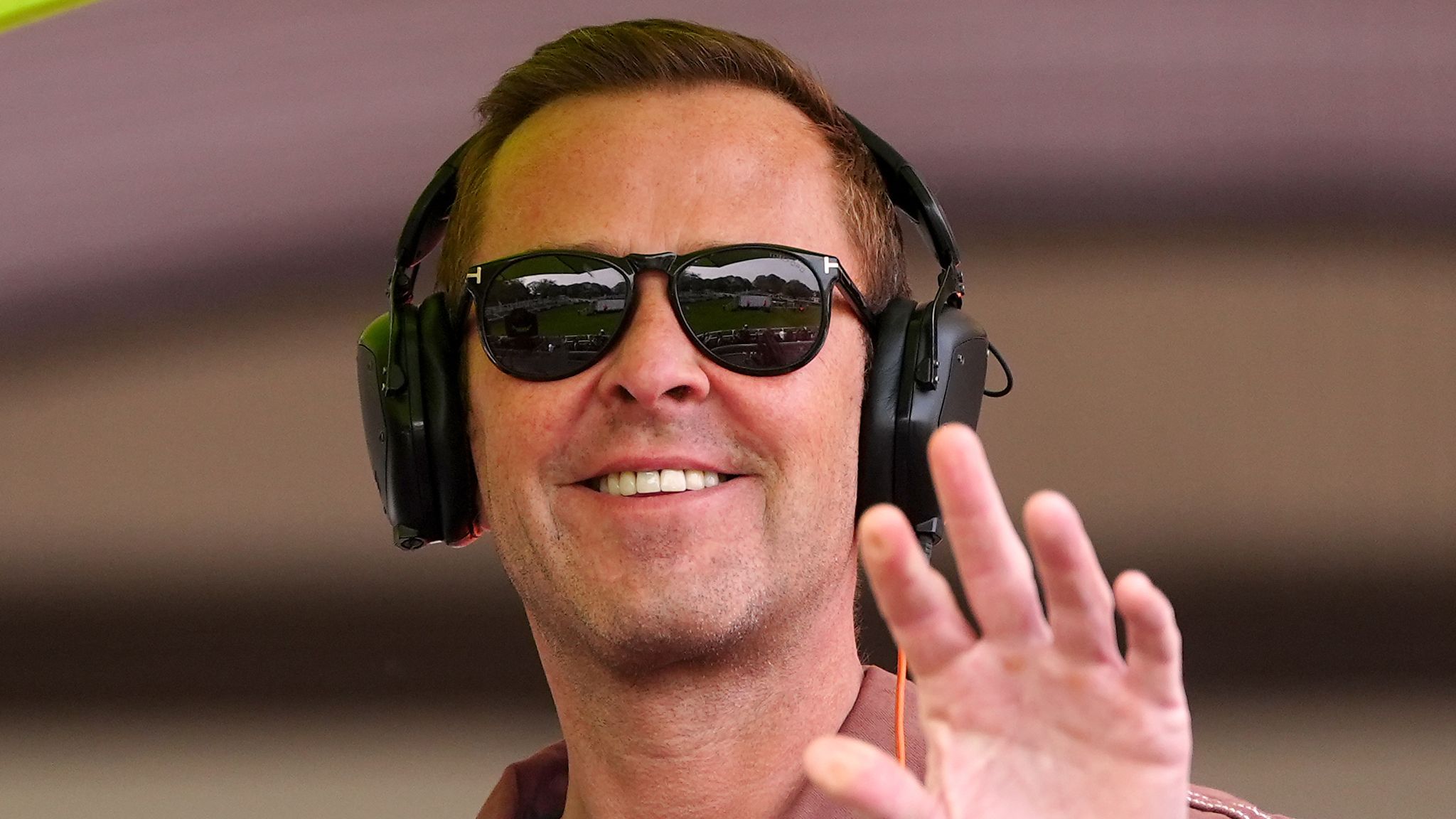
Looking Ahead: What Comes Next?
The BBC has indicated it is conducting further internal reviews to clarify exactly what was known about the case in 2017 and how the information was managed. This ongoing scrutiny could lead to new policies that enhance transparency and prioritise victim safeguarding within the organization.
For the public, this episode serves as a reminder of the complexities involved in handling historical allegations, especially when they concern influential media figures. It also highlights the importance of vigilance and accountability in institutions entrusted with public trust.
While full details of the new information leading to Mills’ dismissal remain undisclosed, the BBC’s actions reflect an evolving approach to misconduct allegations—one that prioritizes decisive responses over prolonged ambiguity.
In summary, the BBC’s late disclosure of its prior knowledge about the police investigation into Scott Mills and the eventual termination of his contract in 2024 illustrate the broadcaster’s challenging journey toward greater accountability and cultural reform.