

The composition of Andy Burnham’s cabinet has ignited a significant debate within the Labour Party, particularly among its female MPs. Former party deputy leader Harriet Harman has labeled the proportion of women in Burnham’s leadership team as a “central issue” that demands urgent attention.
What Happened: Female Labour MPs Raise Concerns
As the newly formed cabinet under Manchester Mayor Andy Burnham took shape, several female Labour MPs expressed dissatisfaction with the gender balance. Harman, a veteran advocate for women’s rights and equality within the party, emphasized that the number of women appointed to key roles is not just a symbolic matter but a fundamental one affecting representation and policy influence.
Burnham, a prominent Labour figure with a history of ministerial roles including Secretary of State for Health and Greater Manchester Mayor, has faced scrutiny for the gender dynamics of his cabinet selections. Female MPs argue that without adequate female representation, the party risks undermining its commitment to gender equality and alienating a significant segment of its support base.
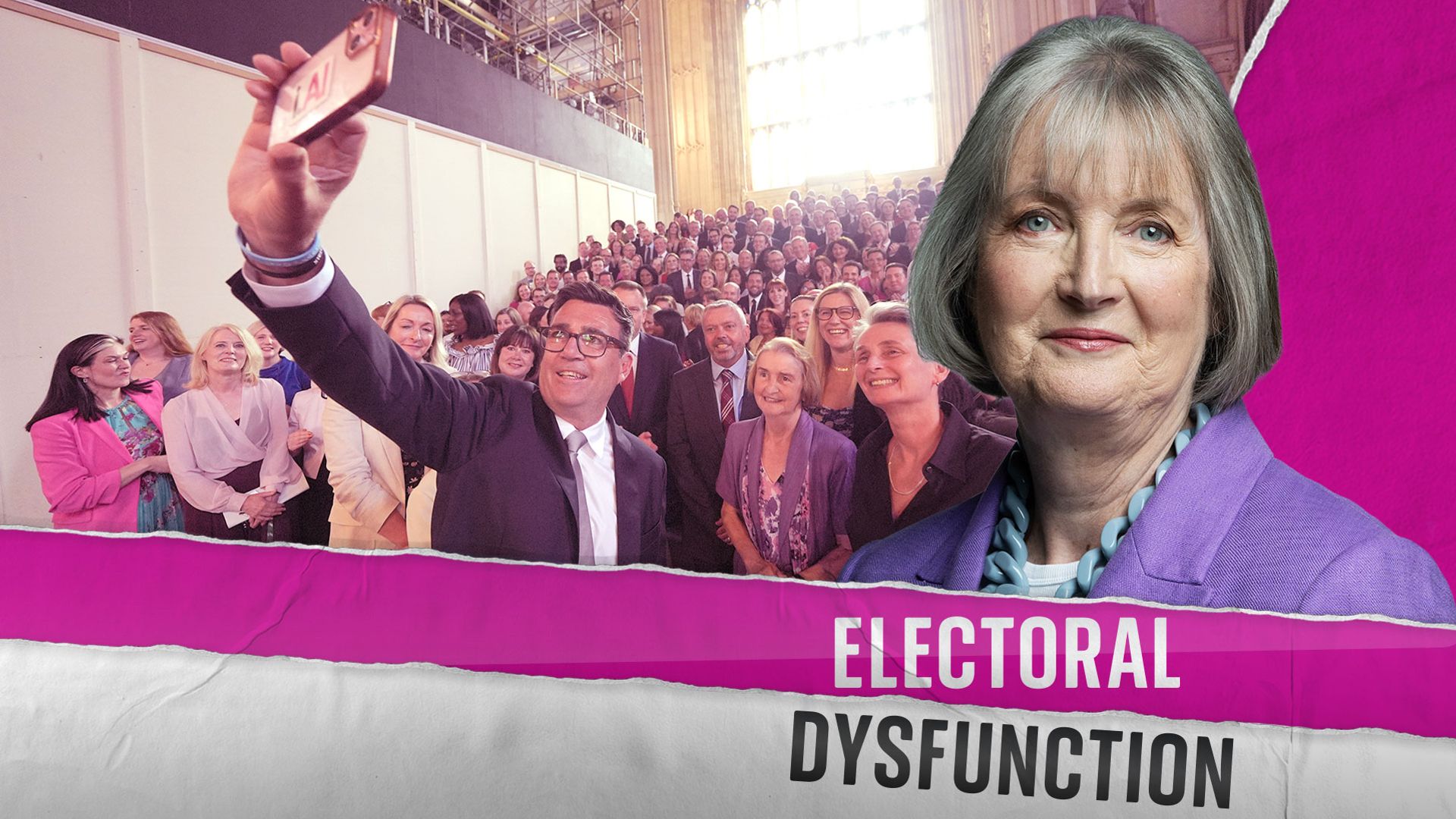
Why It Matters: Gender Balance and Political Power
The issue touches on broader themes of inclusivity and diversity that have long been contentious within British politics. Women continue to be underrepresented in political leadership positions across the UK, and Labour, despite historically strong commitments to equality, has struggled to maintain consistent gender parity in key roles.
Harriet Harman, who has championed numerous initiatives to increase female participation in politics, including the introduction of all-women shortlists, highlighted that the presence of women in leadership shapes policy outcomes and priorities. “When women are not adequately represented, their perspectives are often sidelined in critical decision-making processes,” she noted.
Furthermore, the representation of women within Burnham’s cabinet is seen as a litmus test for the party’s dedication to progressive values at a regional level. Manchester, under Burnham’s leadership, has been a focal point for Labour’s ambitions and policy experiments, making the composition of his cabinet a matter of national interest.
What Comes Next: The Future of Women’s Representation in Labour
This controversy adds pressure on Burnham to reconsider or adjust his cabinet appointments to better reflect gender diversity. It also revives a larger conversation within Labour about the mechanisms and cultural changes necessary to achieve genuine equality in political representation.
Female Labour MPs are expected to continue advocating for increased transparency in appointment processes and for targets or quotas that ensure women have an equal share in power. The party’s leadership faces the challenge of balancing experience, political skill, and diversity as it navigates an evolving political landscape.
As Labour positions itself for future elections and regional governance, the representation of women in leadership roles will likely remain a focal point of internal and public debate. The outcome may influence not only the party’s image but also its policy direction and electoral success.
Takeaway: Why Gender Representation in Politics Remains Crucial
The discussion sparked by Harriet Harman’s comments on Andy Burnham’s cabinet underscores a persistent challenge in British politics—the struggle to achieve balanced gender representation in positions of power. This is not simply about numbers; it reflects deeper issues of equality, influence, and democratic legitimacy.
For Labour, a party that has historically championed equality, the pressure to lead by example in regional governance is significant. How Burnham and his team respond to these concerns will send a clear message about the party’s commitment to inclusivity and the empowerment of women in politics.
Ultimately, ensuring women are central to political leadership is essential for creating policies that reflect the diversity of society and for building a more equitable political system. The spotlight on Burnham’s cabinet serves as a reminder that progress requires constant vigilance and proactive effort.