

The sentencing of two men for stabbing a prominent UK television presenter has drawn intense attention to the covert tactics allegedly employed by the Iranian government, specifically the use of criminal “proxies” operating on British soil. This case not only highlights a violent attack against a public figure but also underscores complex international security concerns involving state-sponsored interference and intimidation abroad.
The Incident and Legal Outcome
The violent assault occurred when the two men confronted the TV presenter on a public street, resulting in a stabbing that shocked the community and raised alarms about targeted attacks against journalists and media personalities. Following a thorough investigation, both accused individuals were convicted and handed prison sentences reflecting the severity of the crime.
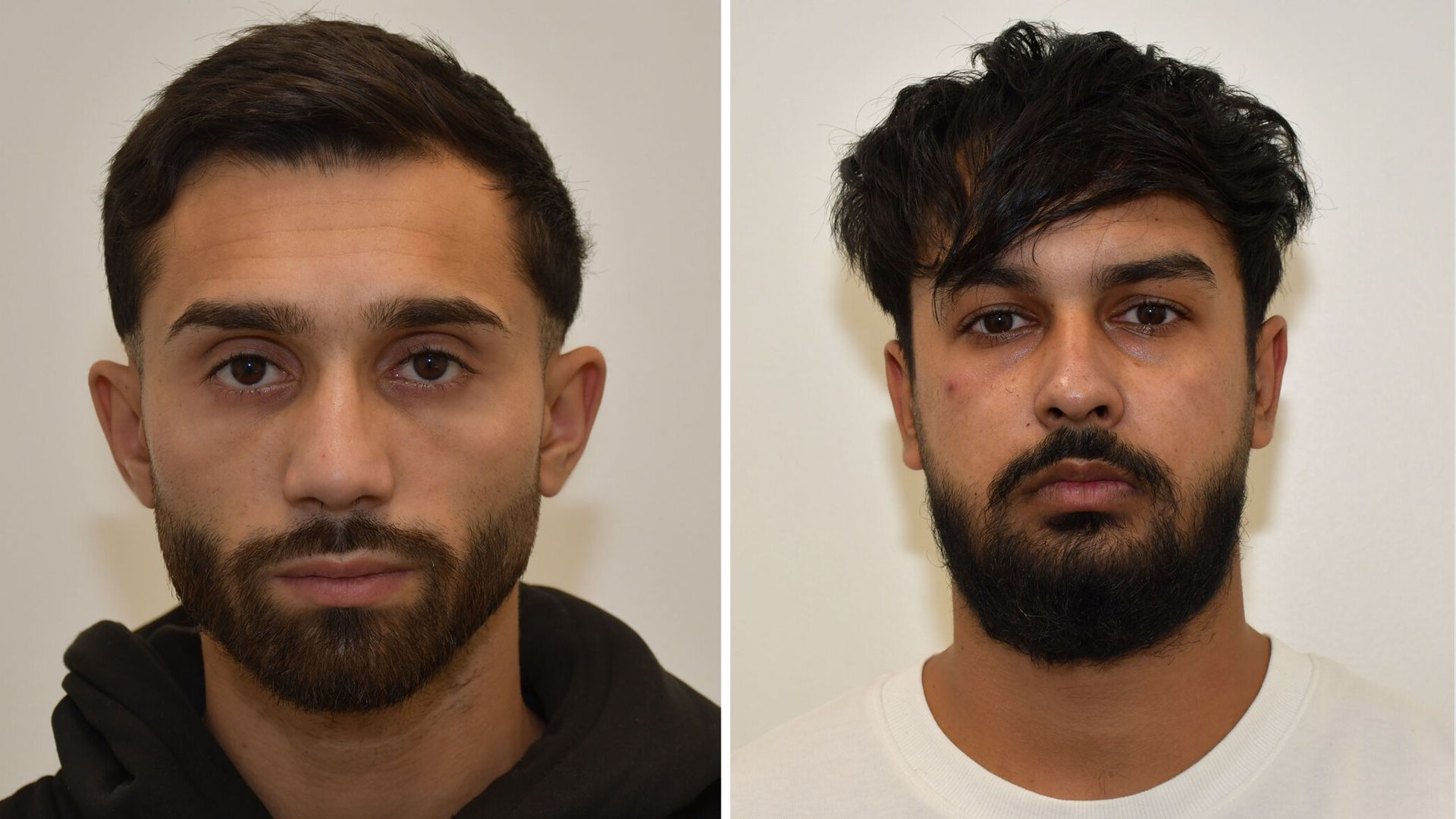
Law enforcement officials emphasized that the defendants acted as proxies, carrying out operations on behalf of foreign interests. The court’s decision sent a clear message condemning such acts of violence and the exploitation of criminal elements to achieve political or ideological goals within the UK.
Understanding the Role of “Proxies” in State-Sponsored Attacks
In recent years, intelligence agencies and security experts have documented an increasing trend where certain governments employ non-official operatives—often criminals or extremist affiliates—to conduct operations abroad. These “proxies” provide plausible deniability to the sponsoring state while advancing its strategic objectives through intimidation, harassment, or physical harm.
The Iranian government has been repeatedly accused of deploying such tactics to silence dissent, intimidate expatriate communities, and suppress critical voices outside its borders. The stabbing of the television presenter fits a disturbing pattern of transnational repression, where states extend their reach beyond their territories via covert agents.
This method complicates international relations and law enforcement efforts, as identifying and prosecuting these proxy actors requires extensive cooperation between countries and vigilance against hidden networks operating within host nations.
Implications for Media Freedom and National Security
The attack on a media figure is an alarming escalation that threatens the fundamental principles of free speech and press freedom. Journalists and broadcasters who critique or challenge authoritarian regimes often face heightened risks, especially when adversaries exploit criminal networks to carry out violent reprisals.
British authorities have reiterated their commitment to protecting journalists and upholding democratic values, recognizing that safeguarding media representatives is crucial for maintaining an open society. The case has prompted calls for enhanced security measures for vulnerable individuals and increased scrutiny of foreign influence operations within the UK.
Moreover, this incident exposes vulnerabilities in national security frameworks that foreign actors seek to exploit. It emphasizes the need for robust intelligence gathering, inter-agency collaboration, and public awareness to detect and deter proxy-led attacks.
Looking Ahead: Strengthening Defenses Against Proxy Violence
As the UK confronts the challenges posed by foreign proxies engaged in criminal acts, officials and policymakers face the task of balancing openness with vigilance. Strengthening legal tools to prosecute such offenses, improving protections for at-risk communities, and fostering international partnerships will be vital components of a comprehensive response.
For the broader public, the case serves as a stark reminder of the continuing threats posed by covert state-sponsored violence and the importance of supporting independent media voices. Ensuring justice for victims like the stabbed TV presenter reinforces a collective stand against intimidation and violence.
Ultimately, this landmark case underscores the complex intersection of crime, geopolitics, and human rights, revealing the pressing need for coordinated action to protect free expression and national security in an increasingly interconnected world.