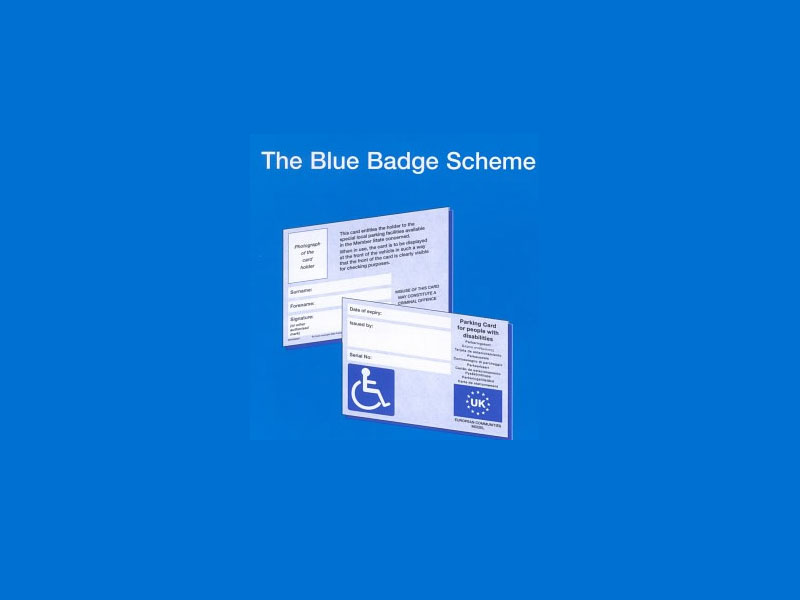
Navigating daily life can present significant challenges for individuals with severe mobility difficulties, especially when public transport is not a viable option. The Blue Badge scheme stands as a vital support system, offering essential parking concessions that allow disabled individuals to park closer to their destinations. This nationwide initiative enhances independence and accessibility, ensuring that those with mobility impairments can move about with greater ease and dignity.
The scheme operates across the entire United Kingdom and is managed by local authorities. These authorities handle applications, assess eligibility criteria, and issue the badges, tailoring services to meet the needs of their communities. The Blue Badge acts as a visible symbol of entitlement, granting holders parking privileges that can significantly reduce the physical strain associated with everyday travel.
__IMAGE_PLACEHOLDER_1__
What the Blue Badge Scheme Offers
At its core, the Blue Badge scheme provides parking concessions to individuals who face severe mobility challenges. This includes the ability to park in designated disabled parking bays and, in many cases, to park for free or for extended periods in areas where parking restrictions normally apply. These benefits are crucial for enhancing the quality of life for badge holders, enabling them to participate more fully in work, social activities, and essential errands.
Eligibility for the scheme is generally based on the severity of mobility issues and the difficulty experienced when using public transport. Applicants must demonstrate that they have significant walking difficulties or meet other specified criteria. This ensures that the scheme targets those who need it most, providing tailored support to the disabled community.
Modernizing the Blue Badge: Security and Efficiency Improvements
In response to growing concerns about badge fraud and misuse, the Blue Badge scheme has undergone significant reforms aimed at protecting its integrity. Since the launch of the Blue Badge Improvement Service on 1 January 2012, the programme has incorporated more rigorous verification processes and enhanced security features.
One of the landmark changes includes replacing the old cardboard badges with new, durable badges made from fused and bonded hard plastic. These new badges contain multiple overt and covert security elements, making them far more resistant to forgery and abuse. This upgrade helps safeguard the scheme’s credibility and ensures that the concessions reach the rightful recipients.
Additionally, the introduction of a centralized database allows local authorities to access a common store of information about badge holders. This system streamlines verification checks, enabling quicker processing times and reducing administrative burdens. By consolidating data, the service helps prevent duplicate or fraudulent applications, ultimately protecting public resources and maintaining public trust.
__IMAGE_PLACEHOLDER_2__
Applying for a Blue Badge: Streamlining Access Through Digital Innovation
A major step forward in the Blue Badge scheme has been the advent of an online application system accessible via the official government portal. This national digital platform simplifies the application process, providing a user-friendly interface that guides applicants through eligibility assessments and form completion.
The online system is designed to ask only relevant questions based on the applicant’s eligibility category, minimizing unnecessary steps and speeding up the overall process. This tailored approach helps applicants avoid confusion and reduces errors in submissions, allowing for a more efficient turnaround of badge issuance or renewal.
For many applicants, especially those reapplying without changes in their circumstances, this digital service represents a significant improvement. It eliminates the need for paper forms and in-person visits, providing convenience and accessibility to individuals who may face mobility challenges themselves.
__IMAGE_PLACEHOLDER_3__
Why the Blue Badge Scheme Matters
The Blue Badge scheme is more than just a parking permit; it is a lifeline that facilitates independence and equal participation in society for people with severe mobility impairments. By reducing barriers to travel, it empowers individuals to engage in work, education, healthcare, and leisure activities without the added stress of inaccessible parking.
The recent reforms underscore the government’s commitment to maintaining a fair and sustainable programme. By tackling fraud and improving customer service, the scheme enhances trust among users and the wider community. Ensuring that badges are allocated correctly helps protect public funds and guarantees that support is reserved for those who truly need it.
Looking ahead, the continued evolution of the Blue Badge scheme through technological and administrative advancements promises to further improve accessibility and convenience for disabled individuals nationwide. These developments reinforce the scheme’s vital role in fostering inclusivity and mobility for all.
In summary, the Blue Badge scheme remains an essential service that adapts to changing demands and challenges, securing its place as a cornerstone of disability support across the UK.