

The United Kingdom faces a growing defense funding crisis as a full year after urgent calls to boost military spending, promised cash injections remain absent. This shortfall is straining the UK’s ability to maintain critical defense capabilities, undermining efforts to safeguard national security amid rising global tensions.
What Happened: Promises vs. Reality in UK Defense Funding
In early 2025, British defense leaders and government officials were emphatic about the necessity to rearm and modernize the armed forces. This declaration came amid escalating geopolitical challenges, including increased Russian aggression in Eastern Europe and growing instability worldwide. The government pledged significant increases in defense budgets to support acquisitions like the advanced F-35 fighter jets, enhanced radar systems, and expanded personnel deployment.
Despite these high-level commitments, the expected financial resources have yet to materialize. The discrepancy between ambitious defense plans and available funding has become increasingly apparent across various military domains.
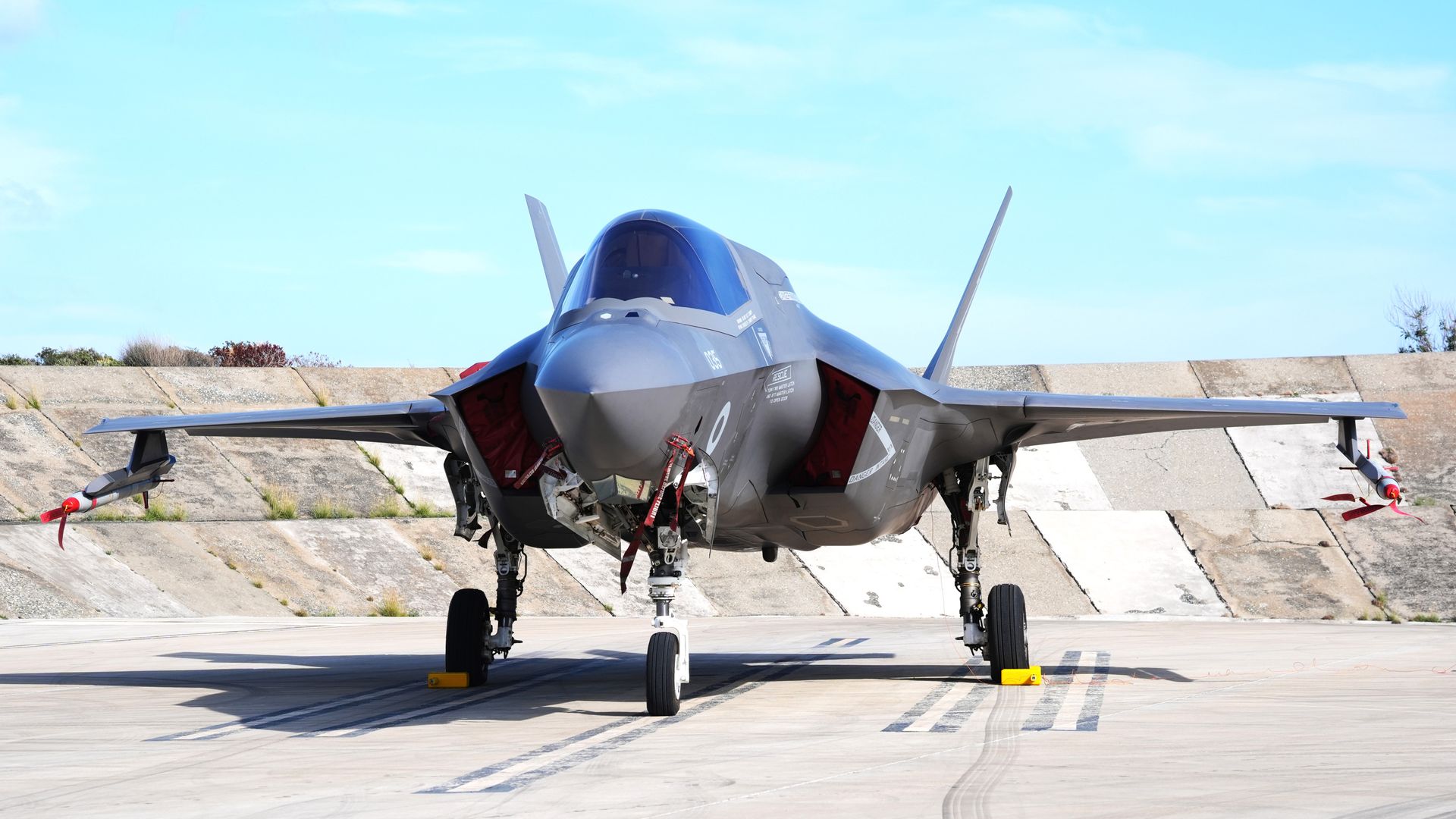
One prominent example is the UK’s deployment of additional defensive assets to strategic locations such as RAF Akrotiri in Cyprus. Since January, the UK has bolstered its presence there with state-of-the-art radar installations, counter-drone technology, F-35 jets, ground-based air defense systems, and approximately 500 extra air defense personnel. These reinforcements aim to protect both British nationals and critical geopolitical interests in a volatile region.
Why It Matters: Impact on National Security and Military Readiness
The gap between defense spending promises and actual funding is not merely a bureaucratic hiccup—it has tangible consequences for the UK’s military effectiveness. Defense analysts warn that without timely cash flow, modernization programs risk delays or cancellations, leaving the armed forces ill-equipped to respond to emerging threats.
For example, the F-35 jets, a cornerstone of the UK’s future air combat strategy, require sustained investment not only for procurement but also for maintenance, training, and operational deployment. Shortfalls in budget allocations could compromise pilot readiness and the full integration of these advanced platforms into the Royal Air Force.
Similarly, the deployment at RAF Akrotiri highlights the UK’s strategic intent to project power and defend its interests abroad. However, sustaining such forward deployments demands continuous funding for personnel, equipment upgrades, and operational support. Budget constraints risk undermining these efforts, potentially weakening the UK’s deterrence posture in a critical region.
What Comes Next: Navigating Defense Challenges Ahead
The British government faces mounting pressure to bridge the funding gap swiftly. Defense officials stress that the ongoing global security environment leaves little room for complacency. Prioritizing defense spending is essential not only to fulfill existing commitments but also to prepare for future uncertainties.
Experts advocate for transparent budget planning and accelerated funding delivery to ensure that modernization programs remain on track. Failure to act decisively could erode the UK’s military credibility and its ability to contribute meaningfully to NATO and other international security alliances.
Moreover, the situation underscores a broader challenge confronting many Western nations: balancing fiscal constraints with the imperative to maintain robust defense capabilities in an increasingly complex global landscape.
Takeaway: Defense Funding Must Align with Strategic Ambitions
The UK’s experience over the past year demonstrates the critical importance of aligning defense budgets with strategic defense objectives. Announcements to rearm and modernize are essential first steps, but they must be backed by concrete financial commitments to translate plans into operational reality.
As tensions persist worldwide, the UK’s ability to protect its citizens and uphold its international commitments depends on closing the funding gap without delay. Ensuring the armed forces receive the resources they need will determine not only the success of current deployments, such as those at RAF Akrotiri, but also the future security and defense posture of the nation.