

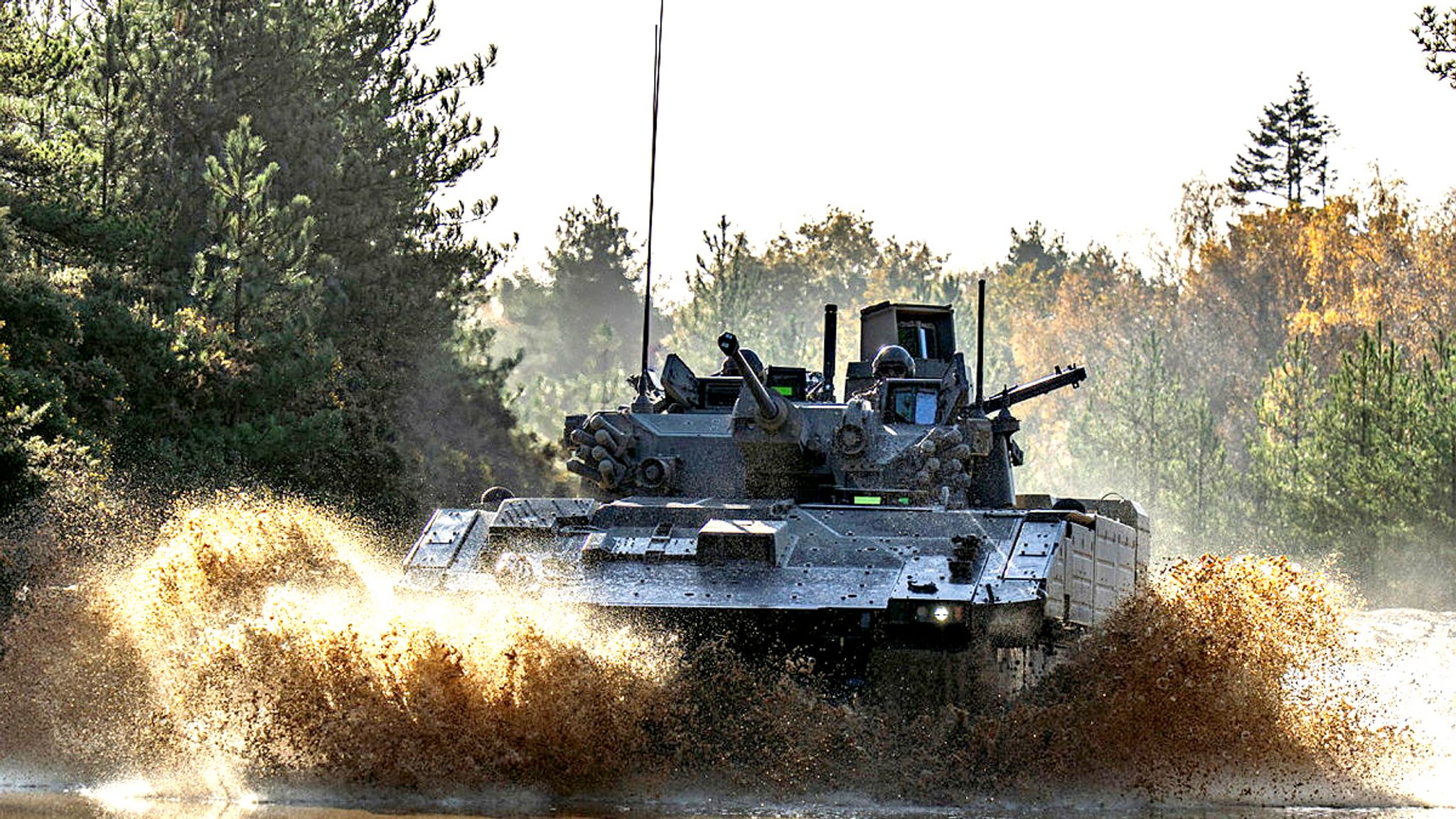
The British Army is cautiously restarting trials of the controversial Ajax armoured vehicle following a pause last year triggered by serious health complaints from soldiers. The £6.3 billion Ajax programme, once hailed as the future of armoured warfare, faced a major setback when service personnel reported symptoms linked to excessive noise and vibration during a training exercise in November.
What Happened During the Ajax Trials?
In November, around 30 soldiers participating in Exercise Titan Storm in Hampshire experienced symptoms ranging from hearing issues to physical discomfort caused by the Ajax’s harsh operational environment. These symptoms included temporary hearing loss and musculoskeletal pain attributed to the vehicle’s intense noise levels and strong vibrations during maneuvers.
Following these incidents, the Ministry of Defence made the decisive move to halt all use of the Ajax vehicles, pending an in-depth investigation into the causes. Defence procurement minister Luke Pollard later revealed that the investigation identified a complex mix of factors contributing to the health problems. These included technical glitches with the vehicle, differences in soldiers’ training and experience, exposure to cold weather, and poor air quality inside the Ajax.
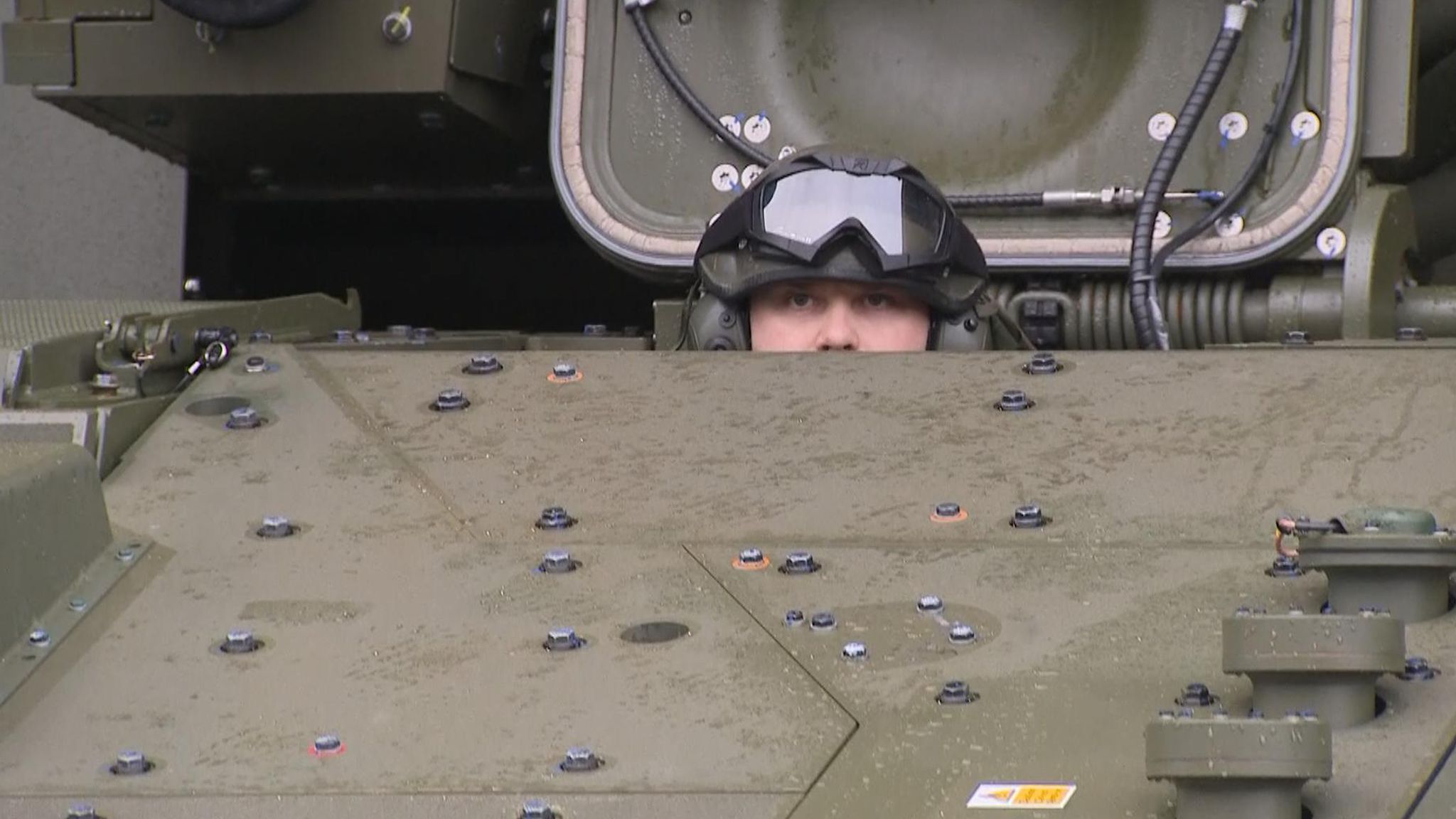
Despite these challenges, Pollard confirmed that all affected personnel have since returned to their normal duties, with most experiencing only temporary symptoms. However, the impact on some soldiers has been more severe. For instance, Rob Page, a former lieutenant colonel and one of the key commanders overseeing Ajax trials from 2019 to 2021, disclosed he suffered a permanent hearing loss of around 20%, which he attributes to his time operating the vehicle.
Insights from a Former Commander
Rob Page provided a firsthand account of the physical toll the Ajax imposed on its operators. He witnessed frequent cases of hearing damage caused by the vehicle’s excessive noise and chronic bodily discomfort resulting from intense vibrations. He described how soldiers began reporting pain in their hands, wrists, knees, and feet as early as the initial trials in 2019.
Page emphasized the urgency with which his unit raised concerns, seeking to better understand the health risks and improve safety measures. “It was concerning,” he said. “We immediately started to raise the fact that this was occurring… We wanted to make it as safe as possible for them [the troops] to operate the vehicle.”
Measures to Improve Ajax Safety and Restart Trials
In response to these issues, Defence Minister Pollard announced a phased and carefully controlled reintroduction of the Ajax vehicles. While he acknowledged the programme’s troubled history, he stressed the importance of improving the user experience for soldiers.
“I have now agreed to restart the acceptance of vehicles from General Dynamics,” Pollard stated, referring to the manufacturer. “However, I accept that the experience for our soldiers using Ajax has not been good enough and that is not acceptable.”
New, strict operational controls will govern the upcoming trials. These measures aim to mitigate the risks associated with noise and vibration and ensure robust monitoring of soldier wellbeing during vehicle use. The Ministry of Defence also emphasized ongoing engagement with soldiers, whose feedback will directly influence the programme’s next steps.
The initial phase of reintroduction will involve a limited number of Ajax vehicles operating under tightly regulated conditions. This cautious approach seeks to balance the need for further testing with the imperative to safeguard troops’ health.
Why the Ajax Programme Matters
Originally slated to enter British Army service in 2017, the Ajax armoured fighting vehicle was designed to modernize the army’s reconnaissance and combat capabilities. It promised advanced technology, improved protection, and enhanced mobility on the battlefield.
However, the series of technical setbacks, delays, and now health concerns have cast a shadow over the programme’s future. The difficulties highlight the challenges of integrating cutting-edge military hardware while ensuring it meets the rigorous demands and safety standards required by frontline service members.
For soldiers relying on Ajax to provide critical tactical advantages, the vehicle’s operational safety is paramount. Prolonged exposure to harmful noise levels and vibrations can cause lasting health damage, affecting combat readiness and morale.
Looking Ahead
The cautious resumption of Ajax trials represents a pivotal moment for the British Army’s armoured vehicle programme. The Ministry of Defence’s commitment to stringent safety controls and close consultation with soldiers underscores a renewed focus on user welfare and operational effectiveness.
As these trials proceed, they will be closely monitored not only for vehicle performance but also for the well-being of the troops who operate them. The lessons learned could inform future armoured vehicle development projects, ensuring that innovation does not come at the expense of soldier health.
While the Ajax’s path has been fraught with challenges, the programme’s continuation signals confidence in its potential, provided that safety improvements are rigorously implemented and upheld. The coming months will reveal whether the vehicle can meet the high standards expected by the British Army and restore trust among its operators.