The cycling world mourns the tragic loss of Finlay Tarling, a promising 19-year-old British cyclist who died following a serious crash during the prestigious Volta a Portugal race. This devastating news has sent shockwaves through the international cycling community, highlighting the risks professional cyclists face in high-speed road competitions.
What Happened at the Volta a Portugal?
Finlay Tarling was competing in the Volta a Portugal, a multi-stage professional cycling race known for its challenging terrain and demanding routes. During one of the race stages, Tarling was involved in a severe incident that left him critically injured. Despite immediate medical attention, he later succumbed to his injuries.
The race organizers confirmed the accident and expressed their condolences, emphasizing the solemnity of the event. While specific details about the crash remain limited, the incident underscores the inherent dangers cyclists confront when navigating the intense conditions of professional road racing.
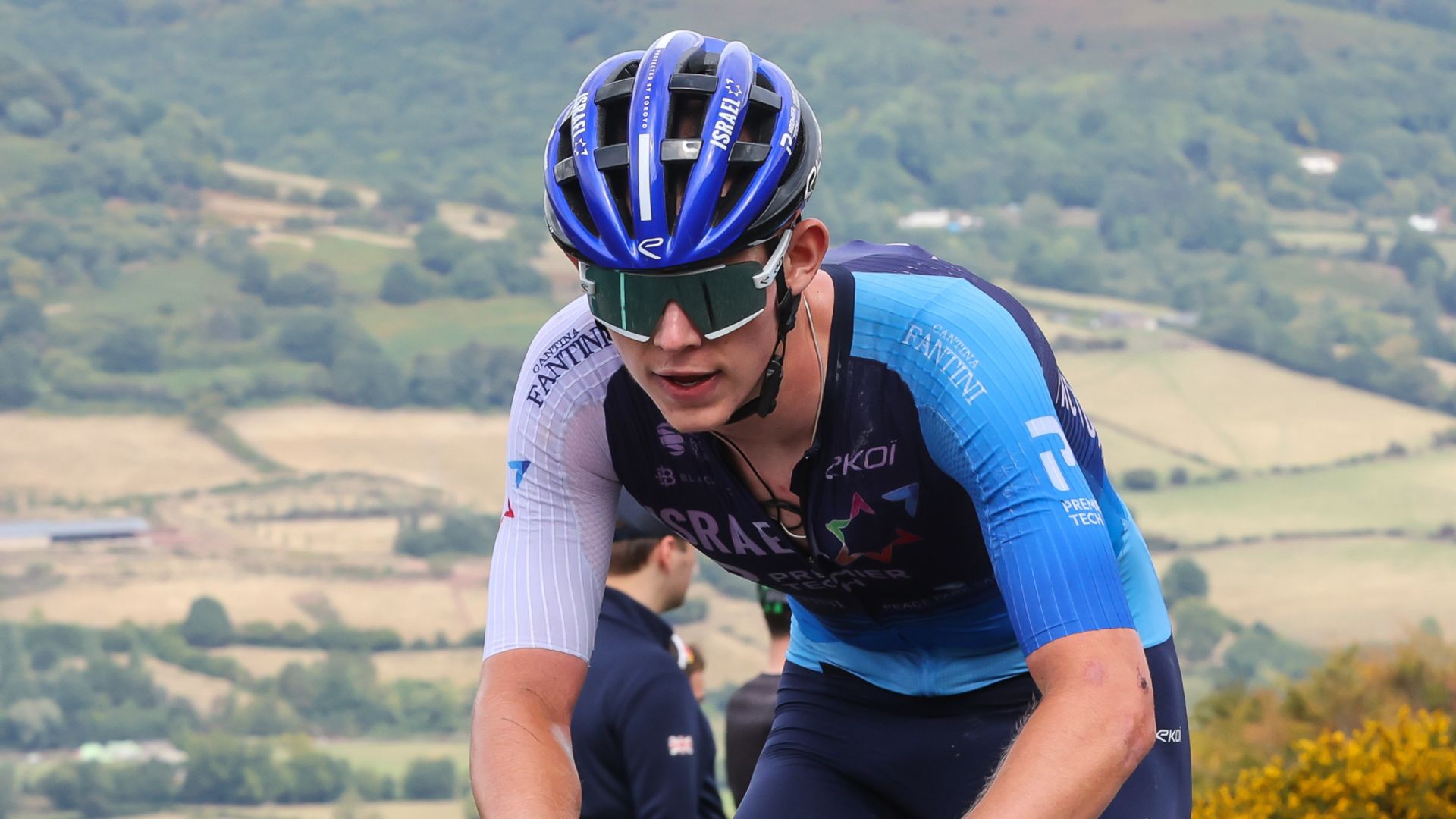
Who Was Finlay Tarling?
At just 19 years old, Finlay Tarling was already viewed as a rising talent in British cycling circles. His youth and potential made his death particularly poignant. Aspiring cyclists and fans alike had followed his progress with great interest, seeing him as part of the next generation poised to make an impact on the international stage.
Tarling’s participation in the Volta a Portugal marked an important milestone in his career, offering exposure to one of Europe’s significant cycling events. The race attracts top teams and riders from around the world, providing a platform for emerging athletes to prove their abilities against seasoned competitors.
Why This Tragedy Matters
The death of Finlay Tarling shines a stark light on the physical risks associated with professional cycling, particularly in grueling stage races that push athletes to their limits. High speeds, narrow roads, unpredictable weather, and close racing conditions can all contribute to dangerous situations.
Beyond the personal loss to Tarling’s family, friends, and teammates, this tragedy serves as a sobering reminder for race organizers, teams, and governing bodies to continually evaluate and enhance safety measures. Improvements in course design, emergency response protocols, and protective equipment remain vital to safeguarding athletes.
Moreover, the cycling community often rallies in the aftermath of such events, fostering discussions about how to balance the sport’s thrilling nature with the imperative of athlete safety. Tarling’s death may catalyze renewed efforts to reduce risks in competitive cycling.
Looking Ahead: The Impact on the Sport
While the Volta a Portugal continues, the loss of a young athlete like Finlay Tarling casts a shadow over the race and the sport as a whole. Teams and fans alike are reminded of the fragility of life and the bravery of those who compete at the highest levels.
In the coming weeks, there will likely be tributes and memorials celebrating Tarling’s life and career. His passing may inspire initiatives aimed at improving safety standards and supporting the mental and physical well-being of professional cyclists.
As the cycling world mourns, the focus remains on honoring Tarling’s memory and ensuring that future riders benefit from lessons learned through this heartbreaking event.
Finlay Tarling’s death is a profound loss for British cycling and the global sporting community. His legacy will endure, reminding us all of the courage and passion that define professional cycling.