

The historic British Steel plant in Scunthorpe is on the brink of a major transformation, as the UK government prepares to reassert control over the company nearly four decades after its original privatisation. This landmark development comes amid growing concerns about the steel industry’s future and its vital role in supporting local jobs and the broader economy.
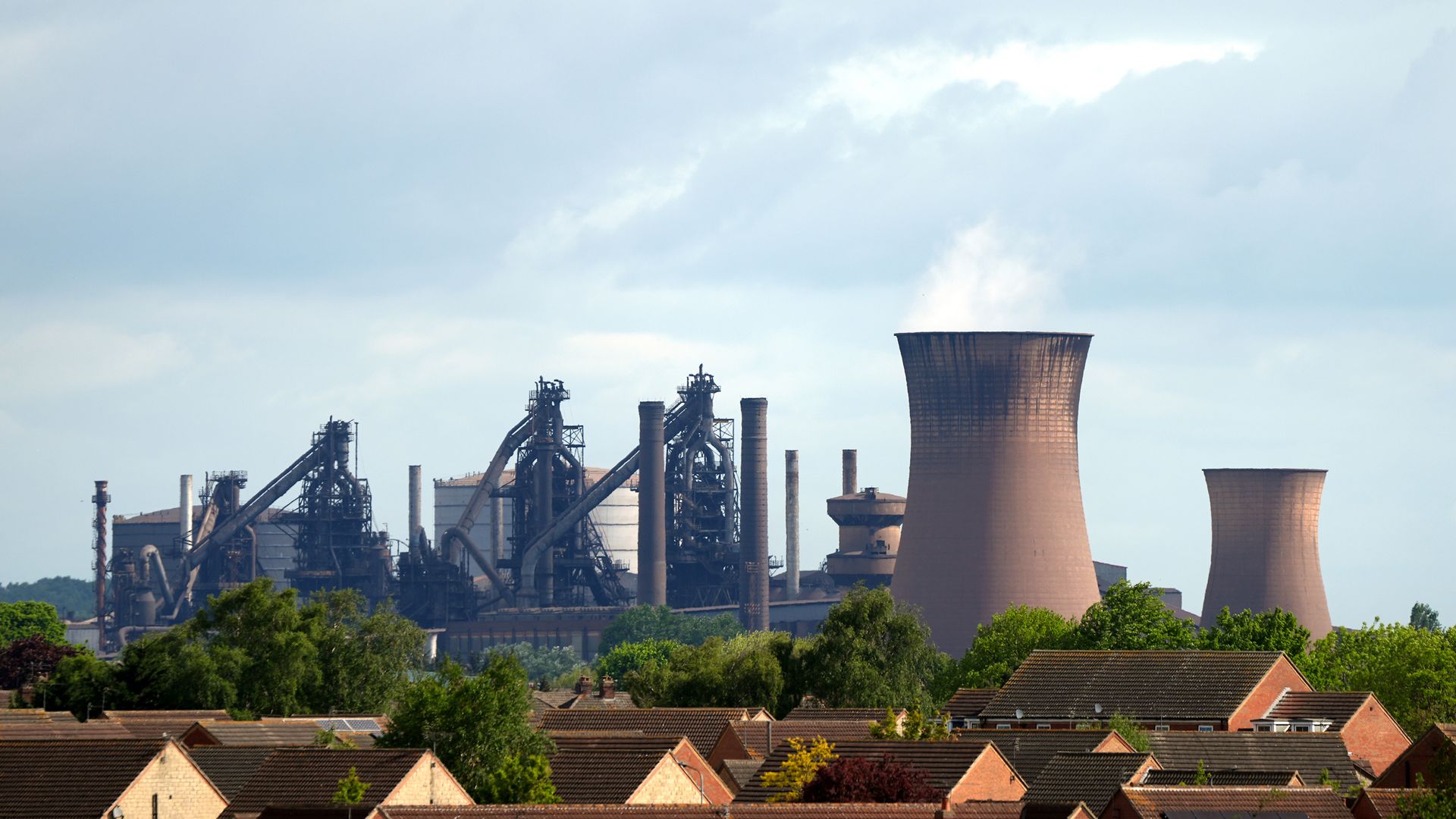
Government Introduces New Legal Powers to Safeguard British Steel
Sir Keir Starmer, the leader of the Labour Party, has unveiled plans for new legislation granting the government enhanced authority to intervene decisively in the steel sector. These new laws are designed to provide the state with “options” to protect both the industry and the thousands of workers dependent on it in Scunthorpe and beyond.
The proposed powers could pave the way for the nationalisation of British Steel, reversing a trend that began in the 1980s when the company was privatised under Conservative government policies. This potential shift back to public ownership marks a significant moment in the UK’s industrial history, highlighting the strategic importance of domestic steel production for the country’s infrastructure and manufacturing base.
Why the Move to Nationalise British Steel Matters
British Steel is more than just a factory; it is a cornerstone of the local economy in Scunthorpe and a critical supplier for multiple industries across the UK. Steel production underpins sectors such as construction, automotive manufacturing, and defense, making its stability a national priority.
For many workers, the threat of job losses or factory closures has created uncertainty. The government’s readiness to intervene demonstrates a commitment to preserving employment and maintaining industrial capacity in the face of global economic pressures and fluctuating steel markets.
This move also reflects broader debates about the role of government in managing key industries. After decades of deregulation and privatisation, renewed calls for public ownership indicate a shift in policy thinking, especially for industries deemed essential to national security and economic resilience.
What Comes Next for British Steel and Its Workforce
While details of the new legislation and the timeline for any nationalisation process have yet to be fully disclosed, the announcement signals a decisive change in strategy. It provides reassurance to employees and local communities that the government is prepared to safeguard their livelihoods and the future of British steelmaking.
The potential return to public ownership could also lead to increased investment in modernising production facilities and adopting more sustainable manufacturing practices. This would align with broader government goals of promoting green industries and reducing carbon emissions within heavy manufacturing sectors.
However, such transitions come with challenges, including the need to balance financial sustainability with social and economic objectives. The government will need to navigate these complexities carefully to ensure long-term success for British Steel.
Looking Ahead: The Future of UK Steel Industry
The re-nationalisation of British Steel would mark a pivotal moment in the UK’s industrial landscape, symbolising a renewed focus on securing critical manufacturing capabilities at home. Protecting the steelworks in Scunthorpe is not only about preserving jobs but also about ensuring the UK can maintain its infrastructure and industrial independence in an increasingly competitive global market.
As these new laws take shape, stakeholders will watch closely to see how the government balances investment, innovation, and community needs. The outcome will have lasting implications for workers, local economies, and the future of British manufacturing.
British Steel’s journey from privatisation to potential nationalisation underscores the evolving relationship between government and industry in the 21st century, reflecting broader shifts in economic policy and industrial strategy.