

Britain’s private rental market has just set a new benchmark, with the average advertised rent soaring to an unprecedented £1,397 per month. This record-breaking figure, revealed by property portal Rightmove, underscores the intensifying challenges facing renters across the country.
What’s Driving the Surge in Rental Prices?
The latest data from Rightmove highlights a steady upward trajectory in rental costs, reflecting a combination of economic pressures and housing supply constraints. As demand for rental properties continues to outstrip supply, landlords have gained leverage to raise asking prices, pushing average rents to historic highs.
Several factors contribute to this surge. Inflationary pressures and rising costs for landlords, including mortgage rates and maintenance expenses, often translate into higher rents for tenants. Furthermore, the ongoing shortage of affordable housing stock exacerbates competition, particularly in urban centers and commuter belts where rental demand remains robust.
Economic uncertainty has also played a role. Many potential homebuyers face challenges securing mortgages amid tighter lending criteria and increased interest rates, driving more people into the rental market and putting upward pressure on prices. This dynamic fuels a cycle where rental affordability becomes an increasingly critical concern for households.
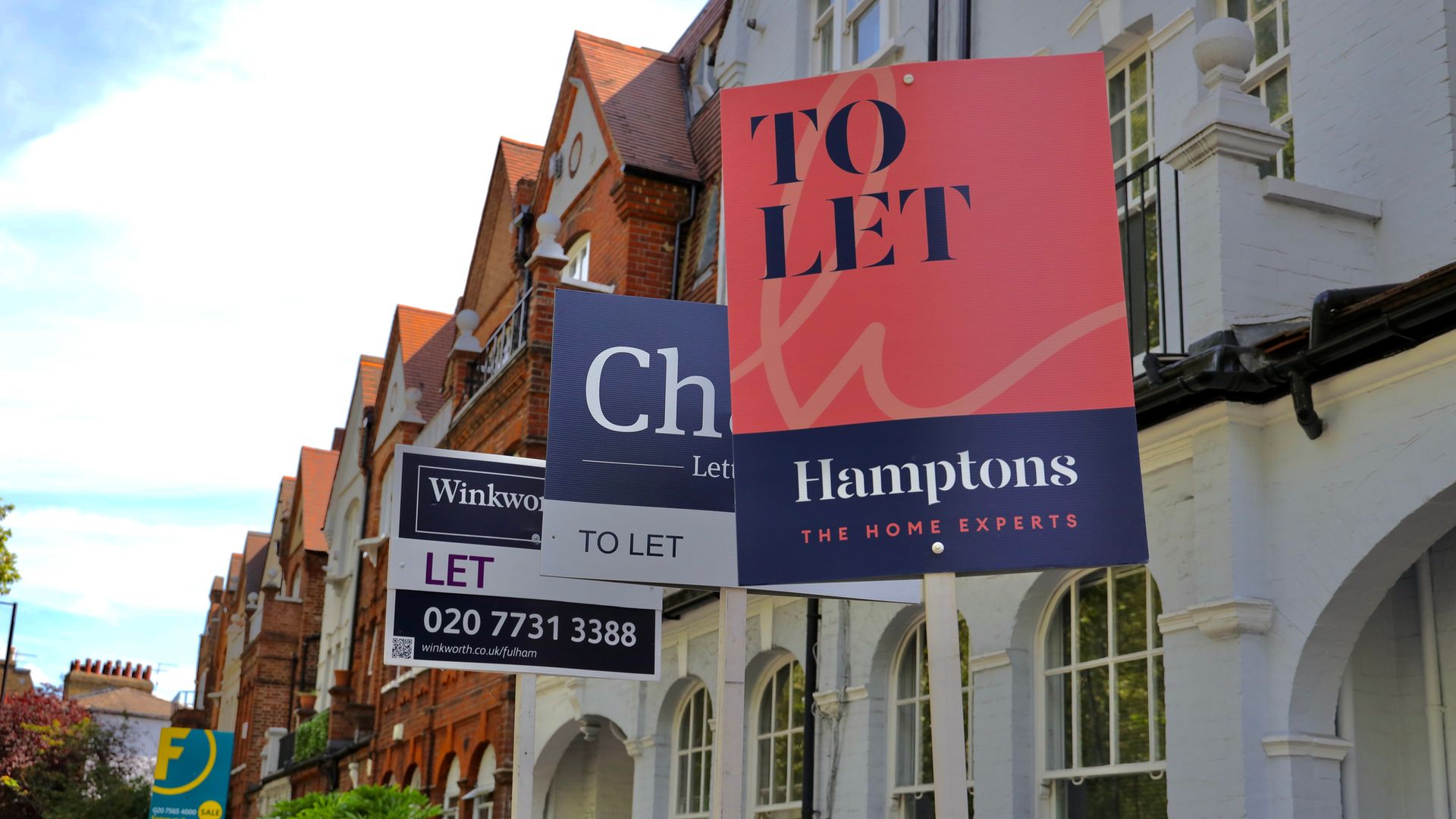
The Impact on Renters and the Wider Housing Market
The record average rent of £1,397 per month places significant strain on renters, especially those in lower and middle-income brackets. For many, affording a home in the private rental sector is becoming a daunting challenge, with rising costs eating into disposable income and limiting financial flexibility.
This trend has broader implications beyond individual renters. Higher rents contribute to increased living costs, influencing consumer spending patterns and potentially slowing economic growth. It also highlights systemic issues within the UK housing market, including the need for expanded affordable housing development and policy interventions to protect vulnerable tenants.
The rental market’s upward pressure often leads to longer-term housing insecurity, with tenants facing greater risks of eviction or forced relocations due to unaffordable rent hikes. This instability can affect community cohesion and exacerbate social inequalities, particularly in areas where rental demand is highest.
What Lies Ahead for Britain’s Rental Market?
Looking forward, the trajectory of rental prices will depend on multiple factors, including government housing policies, economic conditions, and the balance between rental supply and demand. Measures to increase housing supply, such as new developments or incentives for landlords, could help ease pressure on rents over time.
Additionally, policy initiatives aimed at rent regulation or tenant protections may emerge as responses to the affordability crisis. These efforts would aim to create a more stable rental environment and prevent exploitative price increases.
For renters navigating this challenging landscape, understanding market trends and seeking professional advice on tenancy rights may prove essential. With rental costs at record highs, strategic planning and advocacy for housing reforms remain critical topics for stakeholders across the UK.
Why This Matters: The record average rent of £1,397 per month is more than just a statistic—it signals a housing affordability crisis that impacts millions of Britons. Addressing this requires coordinated action from policymakers, developers, landlords, and communities to ensure rental housing remains accessible and sustainable for all.