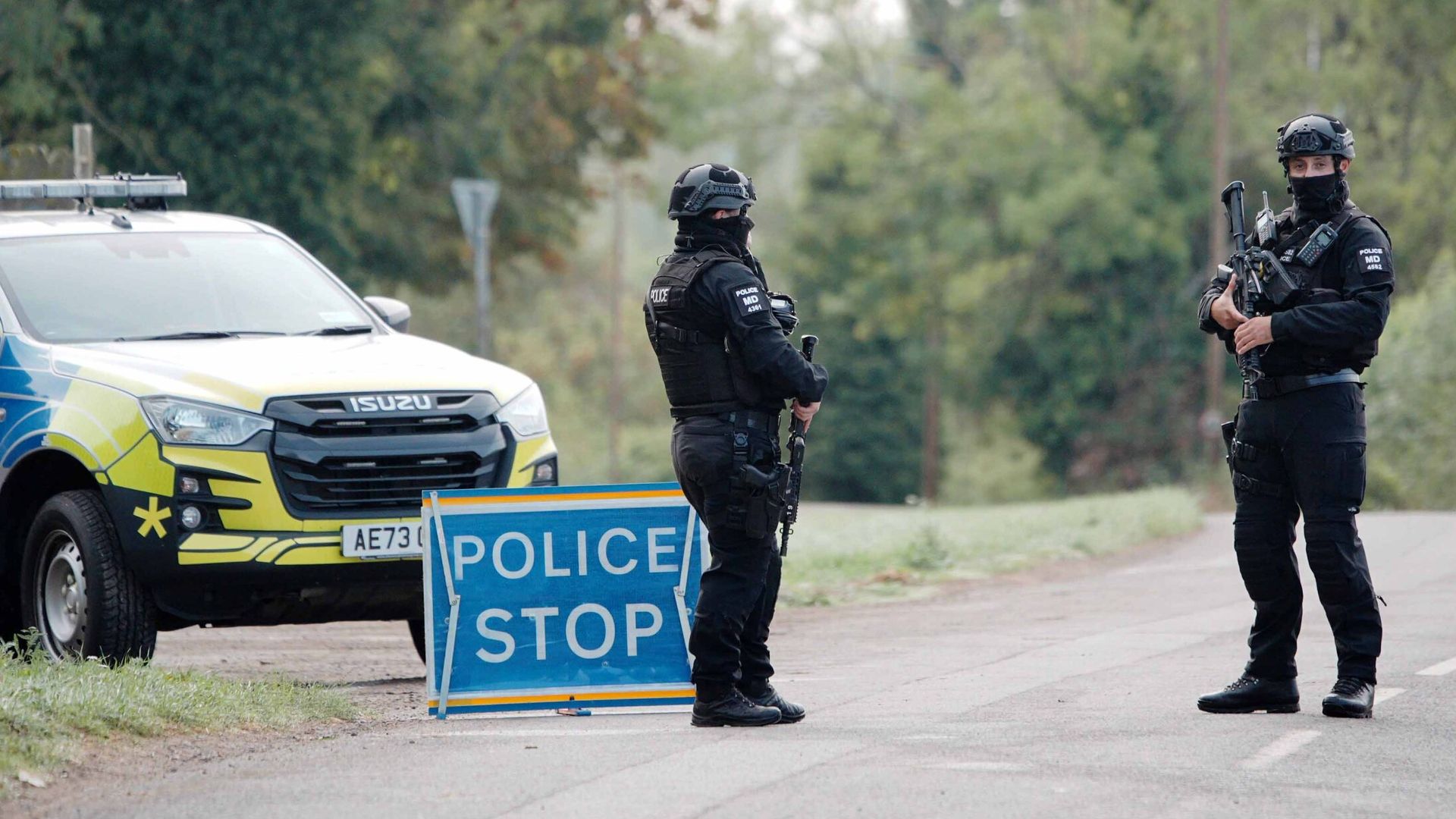
In a striking demonstration of modern warfare risks, British soldiers are actively training to repel a simulated Russian invasion carried out within the confines of the London Underground. This intense wargame underscores the urgent need for the United Kingdom to significantly boost its defence capabilities or face potentially devastating consequences in a real conflict scenario.
Simulating Urban Warfare Beneath London
The British Army has taken an innovative approach by staging war exercises in one of the nation’s most iconic and densely populated infrastructures—the London Underground. Soldiers engage in tactical combat scenarios on a station platform, replicating the complexities of urban guerrilla warfare beneath the city streets. This environment challenges troops to adapt to confined spaces, limited visibility, and civilian presence, reflecting realistic conditions they might encounter if hostile forces attempted an incursion on UK soil.
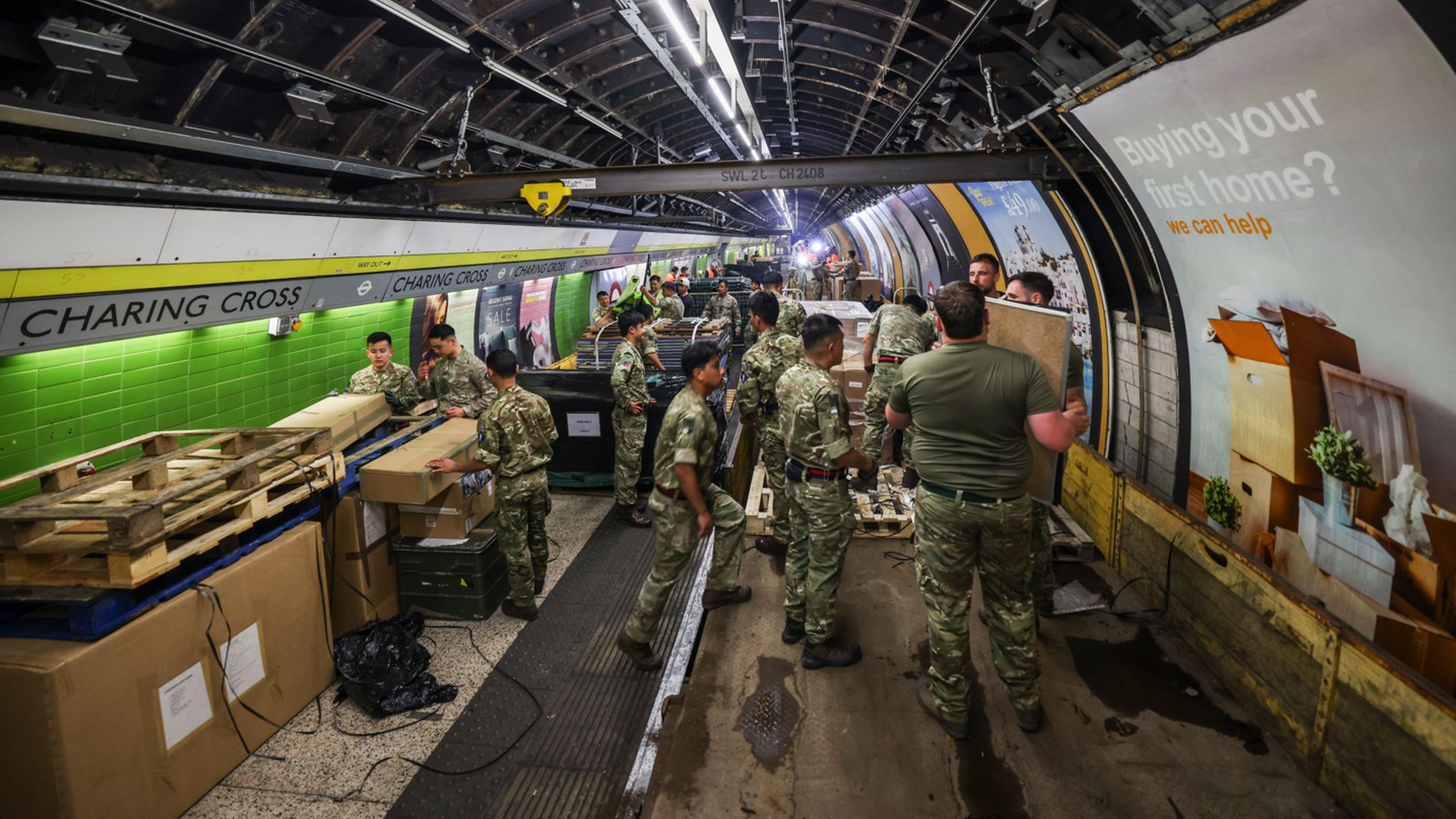
By using the Underground as a training ground, military planners highlight the strategic vulnerability of urban centers to covert or overt military assaults. The exercise reveals how vital it is for the armed forces to prepare for hybrid warfare tactics, including surprise attacks in civilian-heavy zones where traditional battlefield rules do not apply.
Why This Training Matters for UK Defence
The wargame directly responds to escalating geopolitical tensions with Russia, whose aggressive military posture in Eastern Europe has raised alarms across NATO countries. Although the UK is geographically distant from Russian borders, the war game illustrates that threats can manifest anywhere—even beneath the streets of London.
Military analysts emphasize that without substantial investment in advanced defence technologies, intelligence capabilities, and rapid response units, the UK risks falling behind in preparedness. The war game serves as a stark warning: complacency in defence spending could leave the nation vulnerable to surprise incursions or hybrid attacks, combining conventional forces with cyber warfare and disinformation campaigns.
Furthermore, the training exercise provides valuable insights into coordination between military units and civilian agencies responsible for public safety in densely populated areas. It reinforces the necessity of seamless communication and joint operational readiness to protect the public and critical infrastructure.
What This Means for the Future of UK Defence Strategy
The London Underground war game is more than a military drill; it symbolizes a broader shift in defence strategy toward anticipating unconventional threats on home soil. The British Army’s readiness to confront adversaries in urban environments signifies recognition of evolving warfare dynamics that extend beyond traditional battlegrounds.
Government officials and defence experts must now grapple with the implications of these exercises. Increasing defence budgets, investing in urban combat training, and enhancing intelligence sharing are crucial steps to fortify national security. The war game also serves as a public reminder that modern conflicts may emerge unexpectedly within familiar settings, demanding vigilance from both military forces and civilian populations.
As global tensions persist and the nature of warfare evolves, the UK’s proactive approach to urban defence training will play a vital role in safeguarding its citizens. Failure to act decisively could compromise the nation’s ability to withstand future threats, making this war game a pivotal moment in shaping defence priorities.
In conclusion, the British Army’s simulated battle against a Russian invasion in the London Underground starkly illustrates the urgency of bolstering the UK’s defence readiness. By confronting the realities of urban warfare head-on, the UK sets a precedent for adaptive, forward-thinking military strategy crucial for national security in an increasingly unpredictable world.