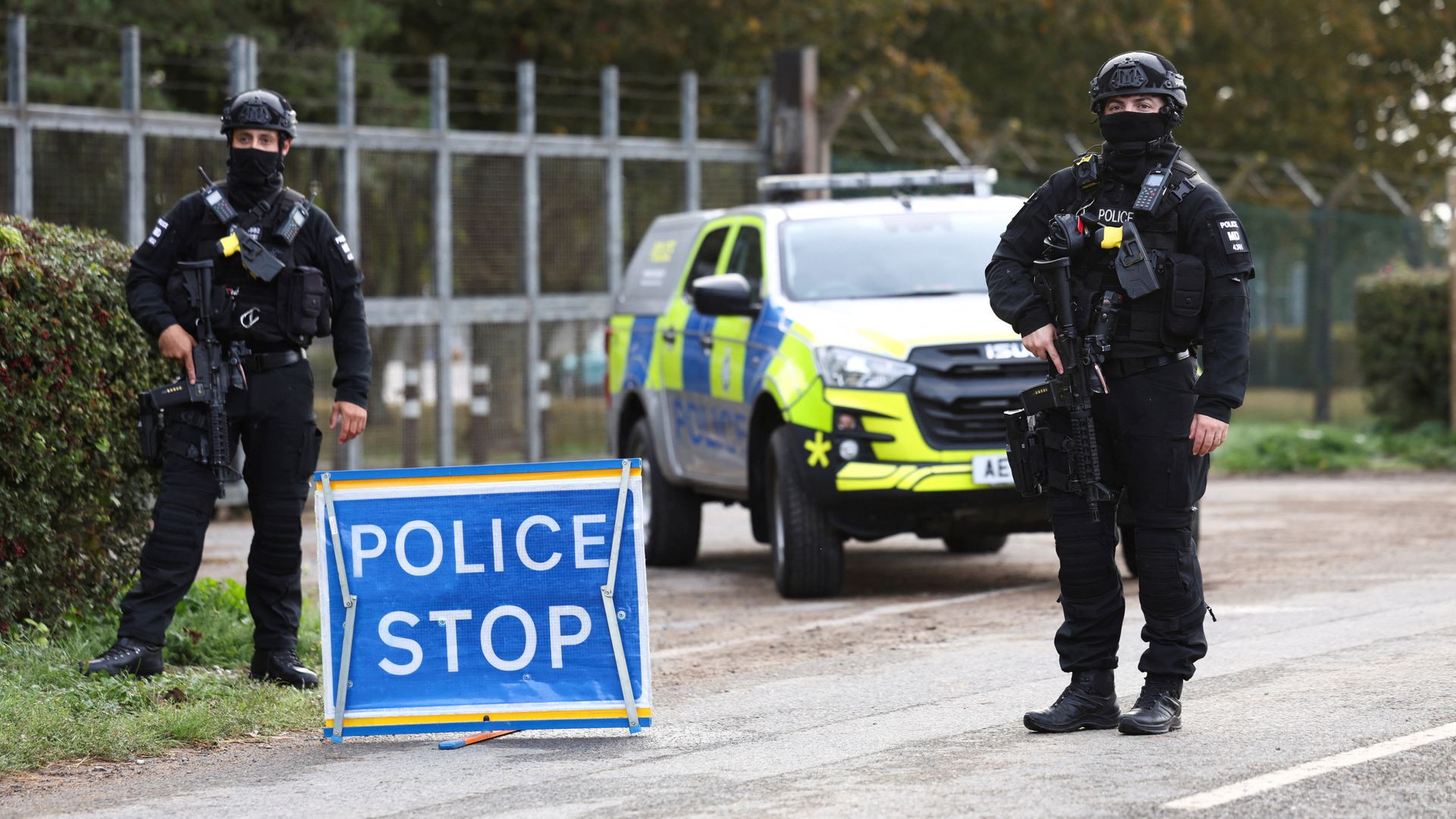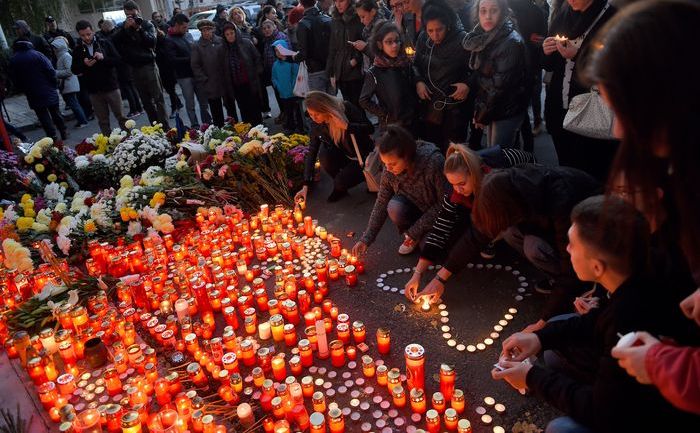
The tragic aftermath of the devastating fire at Bucharest’s renowned Colectiv nightclub continues to deepen as the death toll has climbed to at least 56 victims. This heartbreaking increase reflects the severe injuries sustained during the catastrophic blaze and subsequent stampede that stunned Romania and drew international attention. The fire, which erupted during a concert by the metal band Goodbye to Gravity, has left scores of people fighting for their lives amid overwhelming hospital conditions.
What Happened at Colectiv Nightclub
The Colectiv nightclub fire occurred during a free live performance by the metal band Goodbye to Gravity, a moment intended for celebration that quickly turned into a nightmare. Eyewitness footage revealed the vibrant atmosphere just moments before the disaster, showing young concertgoers immersed in the music, unaware of the impending tragedy.
As the fire broke out, panic ensued, triggering a deadly stampede that compounded the injuries from the blaze itself. The band’s members were among those severely affected: the drummer, Bogdan Enache, succumbed to his injuries while being transported to Switzerland for specialized care. Tragically, two of the band’s guitarists had already lost their lives earlier, underscoring the profound loss within the music community.
This grim event has delivered a heavy blow to both the victims’ families and the broader Romanian public, sparking conversations about safety regulations and emergency response preparedness in entertainment venues.
__IMAGE_PLACEHOLDER_1__
Current Medical Emergency Response and Hospital Situation
In the wake of the fire, medical professionals are battling an extraordinary crisis. Approximately 100 people remain hospitalized, with over 40 in critical condition. The severity of patients’ injuries has prompted urgent measures, including international medical cooperation.
Raed Arafat, a leading emergency official, detailed the dire circumstances faced by healthcare providers. He emphasized the urgency of managing hospital capacity while ensuring the most critically injured receive the care they require. “The situation is very critical because some of these patients are unstable, some became unstable very fast and suddenly, including during the transport,” Arafat explained.
To alleviate pressure on Romania’s overwhelmed medical system, at least eight patients have been airlifted by military planes to Rotterdam, Netherlands, for specialized treatment. This international collaboration highlights the complexity and gravity of the injuries sustained in the blaze, as well as the necessity for advanced burn care and trauma management that may not be fully available domestically.
The challenge remains twofold: decongest local hospitals to maintain quality care for the influx of patients and carefully select those stable enough to be transferred abroad. This careful triage process is crucial to saving as many lives as possible while managing limited resources effectively.
__IMAGE_PLACEHOLDER_2__
Why This Tragedy Matters
The Colectiv nightclub fire exposes critical vulnerabilities in fire safety and emergency preparedness within public venues in Romania. Nightclubs, which often host large gatherings of young people, must adhere to rigorous safety standards to prevent such disasters. Investigations following the incident have scrutinized building codes, emergency exits, and crowd management protocols.
Beyond regulatory concerns, the tragedy resonates deeply on a human level. The victims were predominantly young individuals enjoying a night out, underscoring how quickly a joyous occasion can turn fatal. The loss of talented musicians from Goodbye to Gravity also marks a cultural blow, touching the wider music scene and fans worldwide.
This incident has sparked nationwide mourning and calls for reform, pushing authorities to reevaluate fire safety enforcement and emergency response strategies to prevent future catastrophes. It has also drawn attention to the importance of rapid medical response capabilities and the value of international support in moments of crisis.
__IMAGE_PLACEHOLDER_3__
Looking Ahead: Lessons and Recovery
As Romania grapples with the aftermath, the focus now turns to healing and preventing repeat tragedies. Medical teams continue their efforts to save lives amid challenging conditions, while families and communities mourn their losses. Authorities face mounting pressure to implement stricter safety regulations and improve disaster preparedness in entertainment venues.
The Colectiv fire reminds the world of the fragility of life and the paramount importance of rigorous safety standards in public spaces. It also highlights the resilience of emergency responders and medical professionals who work tirelessly in the face of overwhelming adversity.
Ultimately, this tragedy serves as a somber catalyst for change, emphasizing that protecting lives requires constant vigilance and proactive measures. The hope remains that through lessons learned and strengthened safeguards, future generations can enjoy cultural events without fear of such horrific outcomes.