

Butterflies across the UK face a troubling decline, yet amid this worrying trend, some species are bucking the odds and increasing in numbers. Understanding these shifts is crucial for conservation efforts striving to protect these delicate insects and their habitats. The meticulous work of volunteers and experts alike is shedding light on where butterfly populations are finding refuge—and where urgent action remains necessary.
Tracking Butterfly Trends: The Vital Role of Data
Steve Wilkinson, director of the Joint Nature Conservation Committee (JNCC), emphasizes the importance of continuous monitoring. The JNCC advises the UK’s four governments and plays a central role in managing the UK Butterfly Monitoring Scheme (UKBMS), which relies heavily on volunteers to collect data year after year.
“Without this evidence timeline, we would be flying blind,” Wilkinson states. The quality and consistency of data collected through volunteer efforts provide an indispensable foundation for conservation strategies. This ongoing stream of information reveals where populations are recovering and where they are still at risk, allowing targeted interventions that maximize conservation impact.
By tracking butterfly numbers over decades, conservationists can evaluate the effectiveness of habitat restoration and land management policies. This data-driven approach ensures that limited resources focus on areas where they can make the biggest difference.
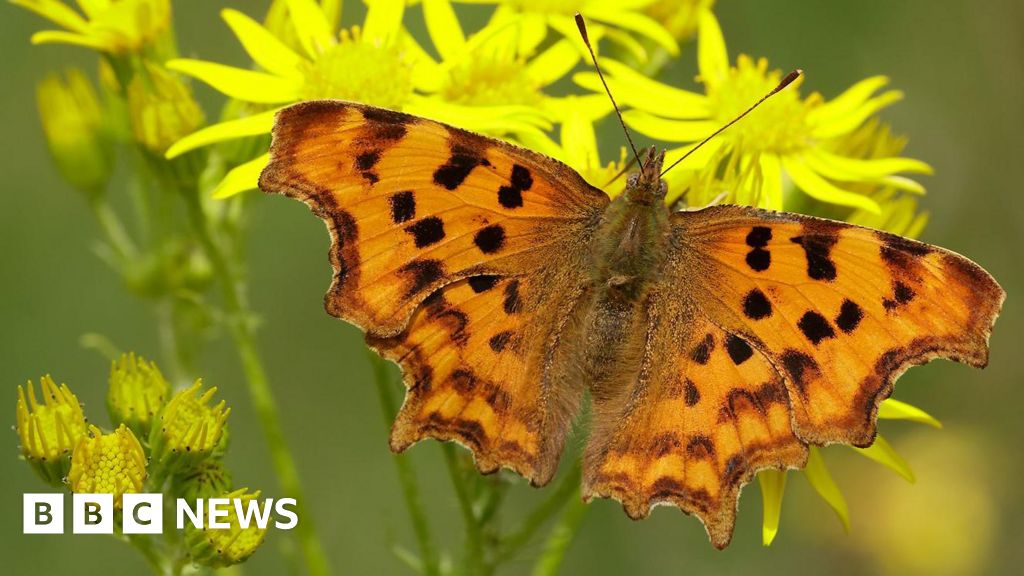
Habitat Protection: A Lifeline for Butterflies
Butterflies depend on specific habitats to thrive, but modern land-use changes pose significant challenges. Agricultural intensification, urban expansion, and environmental degradation have reduced and fragmented the natural landscapes butterflies rely on. Protecting and expanding these habitats is central to conservation efforts.
Many butterfly species are highly selective about their food sources, especially in their caterpillar stages. Some have evolved to feed exclusively on particular plants, making their survival tightly linked to the availability of these species.
For example, the Duke of Burgundy butterfly’s caterpillars feed solely on primroses and cowslips, while the Purple Emperor depends on goat and grey willow. Such dietary specialization makes habitat diversity not just beneficial but essential.
Magdalen Hill Downs: A Model for Habitat Diversity
Fiona Scully, reserves officer at Butterfly Conservation, highlights how their Magdalen Hill Downs reserve exemplifies the importance of maintaining diverse habitats. Nestled on chalk grassland, the reserve hosts an array of native plants critical to butterfly survival.
“You’ll find cowslips in full bloom, along with lady’s bedstraw, toadflax, betony, scabious, and knapweed,” Scully describes. This botanical richness creates a robust environment that supports a wide variety of butterfly species throughout their life cycles.
Such diversity ensures that even the most selective butterflies can find the plants they need for feeding and breeding, making reserves like Magdalen Hill Downs key refuges in an increasingly hostile landscape.
Why Butterfly Conservation Matters Now More Than Ever
The decline of butterfly populations signals broader ecological challenges. Butterflies serve as important indicators of environmental health, reflecting the impacts of climate change, pollution, and habitat loss. Their struggles underscore the urgent need to protect biodiversity and restore natural ecosystems.
Conserving butterflies is not only about saving these beautiful insects; it’s about maintaining the intricate web of life that supports pollination, ecosystem stability, and ultimately human well-being.
Efforts guided by detailed monitoring data and focused on habitat preservation offer a blueprint for success. By sustaining varied and healthy plant communities, conservationists can help reverse declines and foster resilient butterfly populations.
For the public and policymakers alike, these findings highlight the tangible benefits of investing in nature conservation. The rise of certain butterfly species amidst widespread decline offers hope and illustrates what dedicated action can achieve.
Looking Ahead: Sustaining Butterfly Populations for the Future
Continued vigilance and adaptive management remain essential. The UKBMS and organizations like Butterfly Conservation rely on ongoing volunteer participation and scientific research to refine strategies and respond to emerging threats.
As climate change accelerates and land pressures increase, maintaining and expanding habitats with diverse native plants will be critical. Protecting butterflies requires a collaborative approach involving governments, conservation bodies, landowners, and communities.
Ultimately, safeguarding butterfly diversity enriches our natural heritage and ensures that future generations can experience the fluttering beauty of these vital insects.
Full details on the latest population trends and conservation initiatives are continually updated as new data emerges.